The Sleep Environment Problem: Why Modern Life Disrupts Rest
You are not bad at sleeping. You are living in an environment that is catastrophically bad for sleep - and nobody told you the rules of the game you're playing every night.
Artificial light after dark. Screens that emit the same wavelength of light as midday sun. A culture that celebrates 5 AM productivity and midnight Netflix binges simultaneously. Coffee at 4 PM. Dinner at 10 PM. Work emails at 11 PM. Then a desperate attempt to fall asleep by sheer willpower - and a growing confusion about why it isn't working.
Sleep is not a passive experience. It is the most biologically sophisticated process your body performs - and it requires specific conditions to execute properly. This guide gives you those conditions, backed by the best science available.
Deep Dive
To dive deeper into this topic, read our comprehensive guide: Health Stacking for Better Sleep: The 2026 Trend Everyone’s Trying
1. The Sleep Crisis: Why the Modern World Is Chronically Sleep-Deprived
Sleep Deprivation as a Global Epidemic
The numbers are unambiguous and alarming:
- The CDC classifies insufficient sleep as a public health epidemic - with over 35% of American adults regularly sleeping fewer than 7 hours per night
- The WHO estimates that two-thirds of adults in developed nations fail to obtain the recommended 8 hours of nightly sleep
- In India, a 2023 survey by LocalCircles found that 58% of Indians sleep fewer than 6 hours on weekdays - among the lowest sleep durations of any major nation globally
- India ranks among the most sleep-deprived countries in the world in multiple international sleep studies, with urbanization, long commutes, and screen adoption as primary drivers
The economic cost is staggering: a RAND Corporation study quantified the annual productivity loss from sleep deprivation at $411 billion in the US alone - and proportionally significant across all major economies.
Why Modern Life Is Engineered Against Sleep
Sleep is governed by a 200,000-year-old biological system calibrated to a world that no longer exists. Every major feature of modern life works against its proper functioning:
- Artificial light after dark: Thomas Edison's invention may be the single greatest disruptor of human sleep in history. Electric lighting - particularly LED and screen light in the blue wavelength spectrum (460-480nm) - suppresses melatonin production by signaling to the brain that it is still daytime
- The hyperaroused digital nervous system: Social media, news, and entertainment content are designed to produce emotional arousal - excitement, outrage, anxiety, curiosity - states that are neurologically incompatible with sleep initiation
- Social jetlag: The mismatch between your biological sleep timing (chronotype) and your socially imposed schedule. Studies show that 69% of the population has a chronotype that is later than the conventional 10 PM-6 AM window - meaning most people are being asked to sleep earlier than their biology prefers
- Hustle culture: The persistent cultural narrative that sleeping less is a marker of ambition - embodied in quotes like "I'll sleep when I'm dead" - which neuroscientist Matthew Walker describes as "the most lethal form of procrastination"
What Sleep Deprivation Actually Does to You
Understanding the specific consequences of sleep deprivation - rather than just feeling vaguely tired - creates the urgency needed to actually prioritize sleep.
Cognitively:
- After 17-19 hours of wakefulness, cognitive performance is equivalent to a blood alcohol level of 0.05% - the legal driving limit in most countries
- Sleep deprivation impairs the prefrontal cortex - reducing rational decision-making, impulse control, and risk assessment while amplifying emotional reactivity
- A landmark study by Van Dongen et al. found that subjects sleeping 6 hours for 14 consecutive days showed cognitive deficits equivalent to two full nights of total sleep deprivation - yet reported feeling only "slightly sleepy"
Physically:
- Just one night of sleep restriction to 4 hours reduces natural killer cell activity by 70% - the immune cells responsible for destroying virally infected and cancerous cells
- Chronic short sleep (under 6 hours) is associated with 48% increased risk of coronary heart disease
- Sleep deprivation disrupts leptin and ghrelin - the hunger-regulating hormones - increasing appetite, particularly for high-calorie, high-carbohydrate foods, by up to 24%
Emotionally:
- Research from UC Berkeley found that sleep deprivation increases amygdala reactivity to negative stimuli by 60% - you become dramatically more emotionally volatile
- The relationship between sleep and mental health is bidirectional: poor sleep worsens depression and anxiety, and depression and anxiety worsen sleep - a vicious cycle that often requires addressing both simultaneously
The illusion of adaptation: The most dangerous aspect of chronic sleep deprivation is that the brain's metacognitive system - its ability to assess its own performance - degrades alongside everything else. Sleep-deprived people consistently underestimate their own impairment, believing they have adapted when objective testing shows profound deficit.
2. The Architecture of Sleep: What Actually Happens When You Close Your Eyes
Most people think of sleep as unconsciousness - a blank, passive pause between days. The reality is that sleep is among the most active, complex, and biologically essential states the human body enters.
Sleep Stages Explained: NREM and REM
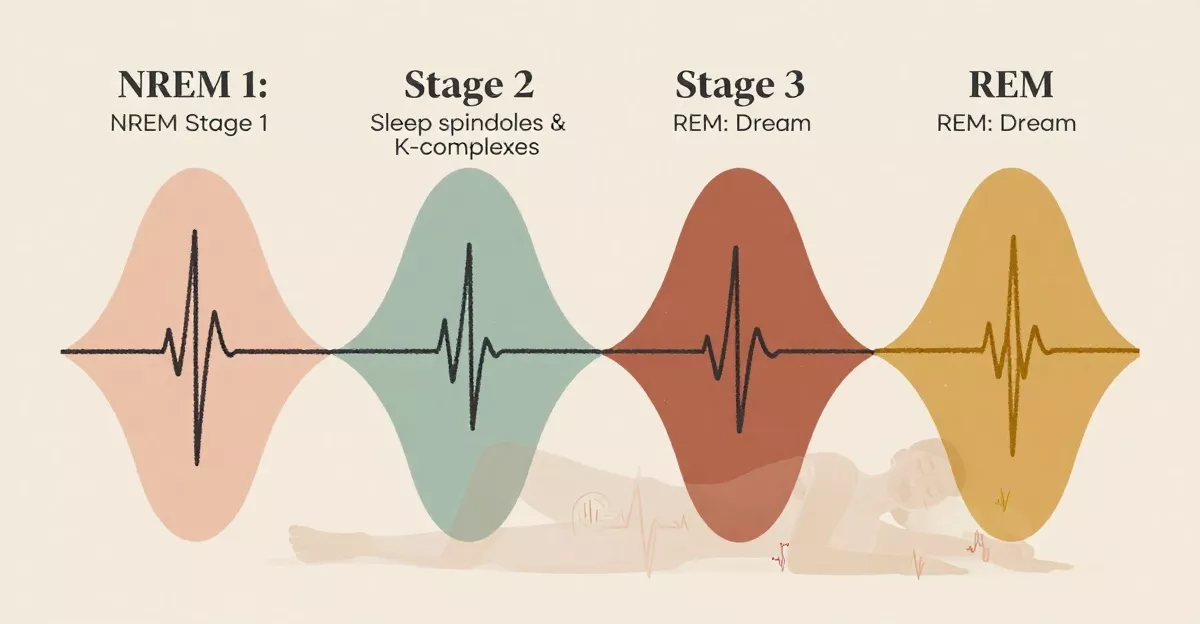
Sleep is not a monolithic state. It is a precisely sequenced architecture of distinct stages, each performing irreplaceable biological functions:
NREM Stage 1 (5% of sleep): The hypnagogic transition between wakefulness and sleep. Muscle tone reduces, eye movements slow, and the brain shifts from beta waves (alert wakefulness) to alpha and then theta waves. Easily disrupted - a slight noise returns you to full wakefulness.
NREM Stage 2 (50% of sleep): True sleep begins. Characterized by sleep spindles (bursts of neural activity associated with memory consolidation) and K-complexes (large amplitude waves that protect sleep from external disruption). Heart rate slows, body temperature drops.
NREM Stage 3 - Deep/Slow-Wave Sleep (20% of sleep): The most physically restorative stage. Characterized by delta waves (low frequency, high amplitude). During this stage:
- The pituitary gland releases the majority of daily growth hormone - driving tissue repair and muscle synthesis
- The glymphatic system activates at full capacity (see next section)
- The immune system intensifies its repair and surveillance activity
- Long-term memory consolidation of factual and procedural information occurs
- Deep sleep is concentrated in the first half of the night - which is why early morning awakening (even an hour early) disproportionately eliminates deep sleep
REM Sleep (25% of sleep): The most neurologically active sleep stage - brain activity resembles wakefulness, while the body is in voluntary muscle paralysis (atonia). REM sleep performs:
- Emotional memory processing: Traumatic and emotionally charged memories are reprocessed and their emotional charge reduced - the brain essentially performs overnight therapy
- Creative integration: Novel connections between disparate concepts are formed - responsible for the phenomenon of "sleeping on a problem" and waking with insight
- Procedural learning consolidation: Motor skills, musical ability, and learned sequences are refined
- REM sleep is concentrated in the second half of the night - which is why alcohol (which suppresses REM) and early morning alarms are particularly damaging to emotional regulation and creativity
The 90-minute sleep cycle: Each complete NREM-REM cycle takes approximately 90 minutes. A full night's sleep comprises 4-6 complete cycles. Waking mid-cycle produces sleep inertia (grogginess). Waking at the end of a cycle feels significantly more refreshing - the basis of sleep cycle alarm app technology.
The Glymphatic System: Your Brain's Overnight Cleaning Crew
Discovered by Dr. Maiken Nedergaard at the University of Rochester in 2013 - one of the most significant neuroscience discoveries of the 21st century - the glymphatic system is a network of channels surrounding brain blood vessels that flushes cerebrospinal fluid through brain tissue during sleep, clearing metabolic waste products.
During deep sleep, brain cells shrink by approximately 60% - expanding the interstitial space and allowing cerebrospinal fluid to flow through at dramatically increased rates, carrying away:
- Amyloid-beta proteins - the plaques associated with Alzheimer's disease
- Tau proteins - associated with neurodegenerative conditions
- Metabolic byproducts accumulated during waking cognitive activity
The clinical implication is profound: chronic sleep deprivation allows these toxic proteins to accumulate in brain tissue over years and decades. A 2017 study published in Nature Communications found measurable amyloid-beta accumulation after a single night of sleep deprivation in healthy adults.
Sleep position and glymphatic efficiency: Research suggests that sleeping on your side (lateral position) - the most common human sleep position - optimizes glymphatic clearance compared to sleeping on your back or stomach. This may partially explain why side sleeping is the evolutionarily dominant sleep posture across mammalian species.
Understanding Your Chronotype
A chronotype is your genetically influenced preference for the timing of sleep and wakefulness - your biological "clock setting." It is not a lifestyle choice or a discipline issue. It is determined primarily by genetics and modified by age.
Dr. Michael Breus categorizes chronotypes into four types:
- Lion (15-20% of population): Early riser, peak performance in the morning, naturally tired by 9-10 PM. Optimal sleep window: 10 PM-6 AM.
- Bear (50% of population): Sleep-wake cycle follows the solar day. Peak performance mid-morning to early afternoon. Optimal sleep window: 11 PM-7 AM.
- Wolf (15-20% of population): Late chronotype, peak performance in the evening, struggles with early starts. Optimal sleep window: 12-8 AM.
- Dolphin (10% of population): Light, easily disrupted sleeper, often corresponds with insomnia-prone personality types. Optimal sleep window: 11:30 PM-6:30 AM.
The important distinction: your chronotype is not your current sleep schedule. Most Wolves are forced to live like Bears by school and work schedules - creating chronic social jetlag with measurable health consequences. Understanding your chronotype allows you to optimize your schedule where possible and design compensatory strategies where it isn't.
3. Circadian Rhythm Optimization: Programming Your Internal Clock
The circadian rhythm is not simply a sleep-wake cycle. It is a master biological timing system that governs every physiological process in the human body - hormone secretion, immune activity, metabolism, cell division, body temperature, and cognitive performance - all timed to the 24-hour rotation of the Earth.
What Is the Circadian Rhythm?
The master circadian clock resides in the suprachiasmatic nucleus (SCN) - a tiny region of approximately 20,000 neurons in the hypothalamus that receives direct light input from the retina via the retinohypothalamic tract. The SCN coordinates peripheral clocks in every organ and tissue in the body.
The molecular mechanism of the circadian clock was the subject of the 2017 Nobel Prize in Physiology or Medicine - awarded to Jeffrey Hall, Michael Rosbash, and Michael Young for their discovery of the molecular feedback loops (involving genes Period, Timeless, Clock, and Cycle) that generate and maintain circadian oscillation.
The practical importance: your body is not a machine that operates identically 24 hours a day. Every biological process has a circadian peak and trough. Ignoring these rhythms - eating, sleeping, and exercising at random times - creates internal desynchrony that research now links to metabolic disease, immune dysfunction, mood disorders, and accelerated aging.
The Four Circadian Anchors
Circadian rhythms are entrained (synchronized) by environmental signals called zeitgebers (German for "time givers"):
1. Light - The Primary Zeitgeber:
The most powerful circadian signal. Retinal ganglion cells containing melanopsin detect blue wavelength light and signal directly to the SCN - suppressing melatonin and activating cortisol when light is detected, regardless of clock time. Morning light advances the clock; evening light delays it.
2. Food Timing:
The liver, gut, and metabolic organs contain their own circadian clocks - primarily entrained by meal timing. Eating at consistent times reinforces metabolic circadian rhythms. Eating late at night sends conflicting signals - activating digestive and metabolic processes when the master clock expects repair and rest.
3. Exercise Timing:
Morning exercise (with sun exposure) powerfully reinforces the circadian rhythm. Late evening vigorous exercise raises core body temperature and cortisol - delaying sleep onset. The optimal exercise window for sleep quality is morning to late afternoon.
4. Social Interaction and Routine:
Consistent daily routines - regular meal times, consistent social interactions, predictable schedules - provide secondary circadian reinforcement. Irregular, unpredictable schedules create chronic circadian disruption even without light or sleep changes.
Morning Light Protocol: The Most Powerful Free Tool
Dr. Andrew Huberman's research at Stanford - now widely replicated - identifies morning sunlight exposure as the single highest-leverage circadian intervention available:
- 5-10 minutes of outdoor light within 30 minutes of waking (eyes open, no sunglasses - not looking directly at the sun)
- Triggers a healthy cortisol pulse that promotes alertness, focus, and energy in the morning
- Sets the precise timing of the melatonin onset approximately 12-14 hours later in the evening
- On overcast days: go outside anyway. Overcast outdoor light (1,000-10,000 lux) still dramatically exceeds indoor lighting (100-500 lux) - sufficient for circadian entrainment.
- Indoor light - even bright office lighting - is insufficient to replace outdoor morning light exposure
Evening Light Management: Protecting Melatonin Production
Melatonin - the primary sleep-onset hormone - is produced by the pineal gland beginning approximately 2 hours before your natural sleep time, signaling to every cell in your body that night has arrived. It is exquisitely sensitive to light:
- Blue light (460-480nm) - the dominant wavelength of LED screens and modern energy-efficient lighting - most powerfully suppresses melatonin
- A 2018 study found that evening blue light exposure suppresses melatonin for up to 3 hours and delays its onset - pushing sleep timing later even when you're tired
- The 3-hour pre-sleep light protocol:
- 3 hours before bed: reduce overhead lighting to 50% brightness
- 2 hours before bed: switch to warm, amber lamps below eye level
- 1 hour before bed: screens off, candle or very dim warm lamp only
Blue light glasses: A 2021 Cochrane review found insufficient evidence that blue light glasses meaningfully reduce eye strain or improve sleep - the primary issue is brightness and stimulation, not wavelength alone. Dimming screens and reducing use is more effective than filtering glasses.
Circadian Reset Protocol: Fixing a Broken Body Clock in 7 Days
Step-by-step 7-day circadian recalibration:
- Day 1: Set a fixed wake time - 6:30 AM recommended. Hold it regardless of when you fell asleep. This is the anchor of the entire protocol.
- Day 2: Add morning light - 10 minutes outside within 30 minutes of waking. No sunglasses.
- Day 3: Set meal timing - breakfast within 1 hour of waking, dinner at least 3 hours before sleep.
- Day 4: Implement electronic sunset - all screens off 90 minutes before target sleep time.
- Day 5: Optimize sleep environment - drop room temperature, eliminate all light sources.
- Day 6: Add morning exercise - 20-30 minutes of movement before noon.
- Day 7: Review and consolidate - most people report measurable improvement in sleep onset and morning energy by this point.
4. Sleep Hygiene: The Complete Environmental & Behavioral Framework
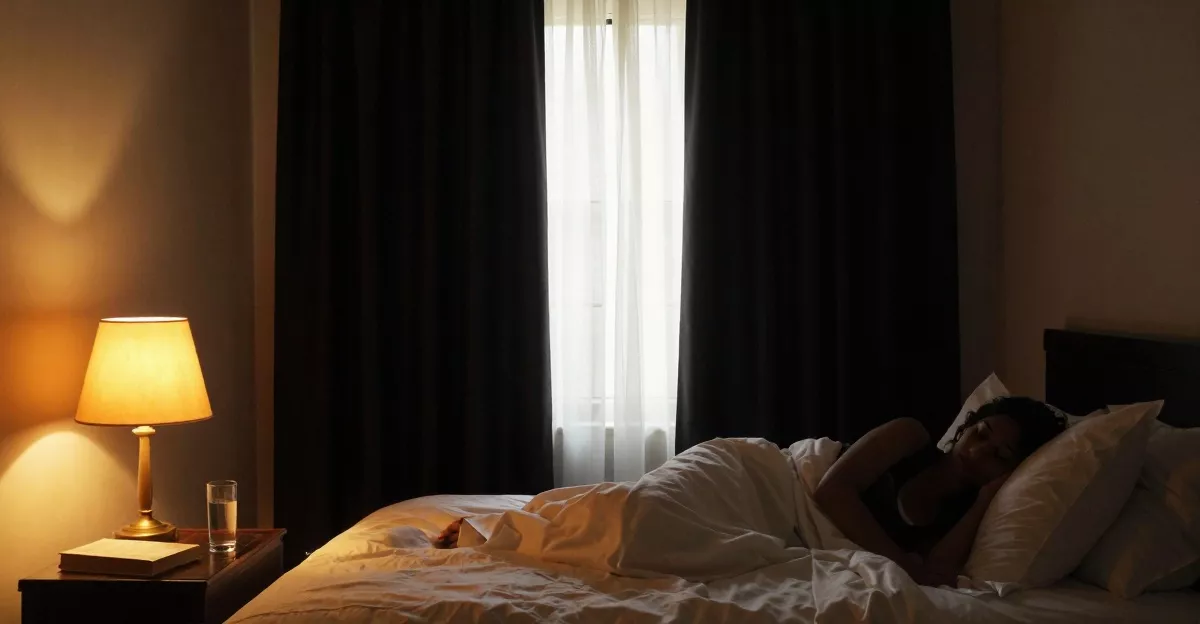
Sleep hygiene is not a list of suggestions. It is a set of environmental and behavioral conditions that determine whether your brain's sleep systems can function as designed.
The Sleep Environment: Designing Your Perfect Sleep Sanctuary
Temperature - The Most Critical Variable:
Core body temperature must drop by 1-3°F (0.5-1.5°C) to initiate and sustain sleep. Your bedroom environment either facilitates or prevents this drop.
- Optimal bedroom temperature: 18-20°C (65-68°F)
- Warm rooms suppress deep sleep stages and increase nighttime awakening frequency
- Practical application for Indian summers: ceiling fan on low, light cotton bedding, AC set to 20°C if available
- Warm bath or shower 60-90 minutes before bed paradoxically improves sleep - hot water draws blood to the skin surface, which then rapidly cools the core upon exiting the bath
Darkness:
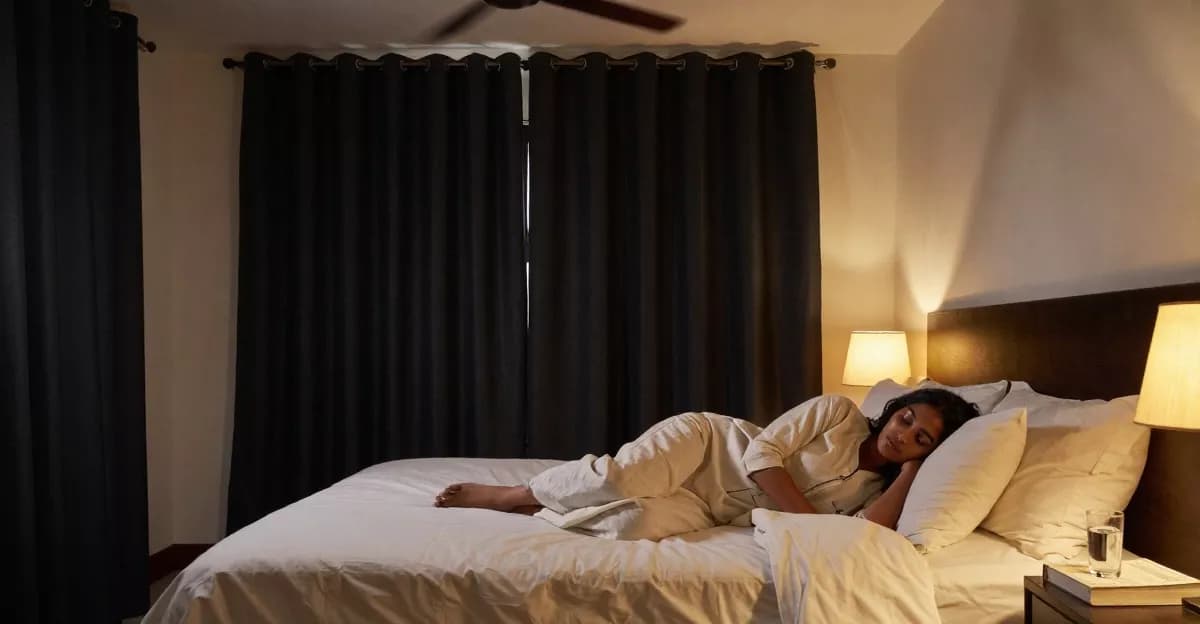
The bedroom should be completely dark - dark enough that you cannot see your hand in front of your face. Even small amounts of light during sleep suppress melatonin and fragment sleep architecture.
- Blackout curtains are the single highest-return bedroom investment
- Remove or cover all LED standby lights (TV, router, chargers)
- An eye mask is an effective and affordable alternative
Sound:
Complete silence is not necessarily optimal - sudden, unpredictable sounds disrupt sleep more than consistent background noise.
- Pink noise and brown noise (deeper, less harsh than white noise) have the strongest sleep research support - shown to increase slow-wave sleep and memory consolidation
- A ceiling fan or air purifier provides effective consistent background sound
- Earplugs: highly effective, particularly for light sleepers in urban environments
EMF and Device Placement:
A 2019 study in Environmental Health Perspectives found associations between nighttime EMF exposure and sleep disruption. While the evidence is not conclusive, the precautionary principle is low-cost:
- Place smartphone in another room, or at minimum on airplane mode
- Move WiFi router outside the bedroom
- The primary benefit of removing devices from the bedroom is behavioral - eliminating the temptation to check them during nighttime awakening
The Pre-Sleep Wind-Down Protocol
The 90 minutes before sleep should be treated as a biological transition period - your nervous system requires time to shift from sympathetic (alert, aroused) to parasympathetic (calm, restorative) dominance.
90-minute wind-down sequence:
- T-90 minutes: Dim all lights in your home. Close work applications. No email or news.
- T-60 minutes: Warm shower or bath. Change into sleep-dedicated clothing (signals the brain that sleep mode begins).
- T-45 minutes: Cognitive offloading - write tomorrow's task list (transfers working memory load from brain to paper). Spend 5 minutes on a "worry dump" - writing anxious thoughts down externalizes them and reduces bedtime rumination.
- T-30 minutes: Light reading (physical book - not e-reader or tablet), gentle stretching, or herbal tea (chamomile, ashwagandha, passionflower blend).
- T-15 minutes: Progressive muscle relaxation or Yoga Nidra in bed. Phone in another room or airplane mode.
Sleep Hygiene Behaviors That Matter Most
Non-negotiables backed by strongest evidence:
- Consistent wake time: More important than bedtime. A fixed wake time anchors the circadian rhythm regardless of how poorly you slept the night before. It is the single most evidence-supported sleep hygiene intervention.
- Caffeine cutoff: Caffeine has a half-life of 5-7 hours - a 3 PM coffee still has 50% of its stimulant effect at 9 PM. Cut caffeine by 1-2 PM at the latest. Quarter-life of caffeine (25% remaining): approximately 12 hours - meaning late afternoon coffee affects midnight sleep.
- Alcohol and sleep: Alcohol is a sedative, not a sleep aid. It accelerates sleep onset but dramatically suppresses REM sleep, increases nighttime awakening in the second half of the night, and fragments sleep architecture. Even one drink measurably reduces sleep quality by 9-11%.
- Exercise timing: Morning and afternoon exercise improves sleep quality. Vigorous exercise within 3 hours of bedtime raises core temperature and cortisol - delaying sleep onset by an average of 45 minutes.
- Nap guidelines: If napping, limit to 20-25 minutes before 3 PM. Longer naps enter deep sleep and produce sleep inertia; later naps reduce sleep pressure for the night.
5. Insomnia Relief: Understanding and Overcoming Sleeplessness
Types of Insomnia and Their Root Causes
Insomnia is not a single condition. It is a symptom cluster with multiple distinct subtypes and root causes:
- Sleep onset insomnia: Difficulty falling asleep - typically driven by hyperarousal, anxiety, or circadian misalignment
- Sleep maintenance insomnia: Waking during the night and struggling to return to sleep - often linked to blood sugar dysregulation, sleep apnea, or cortisol irregularity
- Early morning awakening: Waking significantly before desired time - commonly associated with depression and elevated early morning cortisol
- Acute insomnia: Short-term, triggered by identifiable stressor - resolves naturally when the stressor resolves
- Chronic insomnia: Occurring at least 3 nights per week for 3+ months - requires structured intervention
The hyperarousal model of insomnia - the most supported by current neuroscience - proposes that chronic insomniacs have a persistently elevated arousal system that prevents the neurological deactivation necessary for sleep initiation. This is not anxiety disorder; it is a calibration problem in the arousal-sleep balance that can be specifically treated.
Cognitive Behavioral Therapy for Insomnia (CBT-I)
CBT-I is the gold standard first-line treatment for chronic insomnia - endorsed by the American Academy of Sleep Medicine, the American College of Physicians, and the European Sleep Research Society - and has been shown in multiple meta-analyses to be more effective than sleeping medication with no adverse effects and lasting results.
A landmark 2015 meta-analysis of 20 RCTs in Sleep Medicine Reviews confirmed that CBT-I produces:
- 55% reduction in time to fall asleep (sleep onset latency)
- 53% reduction in nighttime waking time
- Improved sleep quality maintained at 12-month follow-up - versus the rebound insomnia that follows medication discontinuation
The five components of CBT-I:
1. Sleep Restriction Therapy (SRT) - the most powerful component:
Temporarily restricts time in bed to match actual sleep time, building sleep pressure (adenosine accumulation) that drives deeper, more efficient sleep. Paradoxically, spending less time in bed produces better sleep.
- Calculate your average actual sleep time (e.g., 5.5 hours)
- Set a fixed wake time (e.g., 6:30 AM)
- Set a correspondingly late bedtime (e.g., 1:00 AM - allowing only 5.5 hours in bed)
- Maintain this schedule for 1-2 weeks - sleep efficiency improves dramatically
- Gradually extend the sleep window by 15 minutes once sleep efficiency exceeds 85%
2. Stimulus Control: Re-associate the bed with sleepiness rather than wakefulness/anxiety:
- Bed for sleep and intimacy only - no reading, TV, phone, or worrying in bed
- If awake for more than 20 minutes: get up, go to another room, do something calm until sleepy, then return
3. Cognitive Restructuring: Challenge and reframe unhelpful beliefs about sleep:
- "If I don't get 8 hours I'll be useless tomorrow" → "One poor night doesn't significantly impair basic functioning, and sleep pressure will improve the next night"
- "I haven't slept properly in months" → "I have slept - my sleep has been fragmented and inefficient, and that is specifically treatable"
4. Relaxation Training: Progressive muscle relaxation, breathing techniques, and Yoga Nidra to reduce physiological arousal at bedtime.
5. Sleep Hygiene Education: The environmental and behavioral foundations covered in Section 4.
Case Study - Deepika, 35, Finance Professional, Mumbai: Deepika had struggled with insomnia for 8 years - lying awake for 2-3 hours nightly, trying various supplements and sleep apps with minimal lasting effect. Through a 6-week online CBT-I program (using the Sleepio platform), she completed sleep restriction therapy (reducing in-bed time to 5.5 hours initially), stimulus control, and cognitive restructuring. By week 4, her sleep onset had reduced from 90+ minutes to under 20 minutes. By week 8, she was sleeping 7+ hours with minimal nighttime waking - the first sustained improvement in nearly a decade.
The Paradox of Trying to Sleep
Here is one of sleep science's most elegant and counterintuitive findings: the harder you try to sleep, the more difficult sleep becomes.
Sleep is an involuntary process - it cannot be forced by direct effort. Trying to sleep activates the prefrontal cortex (performance monitoring) and the sympathetic nervous system (arousal) - the exact opposite of what sleep requires. The psychological term for this is sleep effort or sleep performance anxiety - and it is one of the primary maintaining factors in chronic insomnia.
Paradoxical Intention Therapy: A CBT-I technique that instructs insomniacs to lie in bed with eyes open and try to stay awake - without doing anything stimulating. By removing the effort to sleep, the performance anxiety dissolves and sleep onset often occurs rapidly. A 1997 study found paradoxical intention significantly reduced sleep onset latency compared to progressive relaxation.
Acceptance-based approaches: Rather than fighting wakefulness or catastrophizing about it, accepting the experience of lying awake with equanimity - "I am resting, my body is recovering even if I'm not asleep" - removes the secondary anxiety layer that perpetuates the cycle.
6. Nervous System Regulation for Sleep: Calming the Body Before Bed
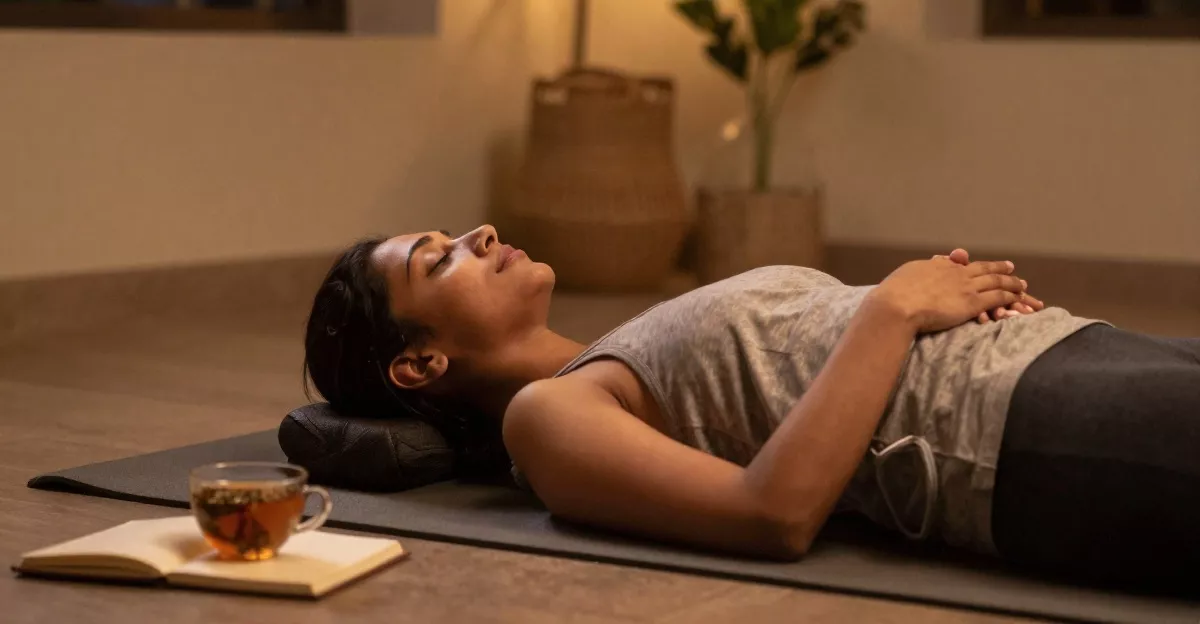
You cannot fall asleep in a sympathetic (fight-or-flight) nervous system state. Sleep requires the parasympathetic nervous system - the rest-and-digest mode - to be dominant. For millions of people, the evening hours are spent in a state of low-grade sympathetic activation - stress, screen arousal, unprocessed anxiety - that makes genuine sleep physiologically impossible until exhaustion finally overrides the arousal system.
Why the Nervous System Is the Gatekeeper of Sleep
The autonomic nervous system operates through two complementary branches:
- Sympathetic (SNS): Activated by stress, threat, excitement, and stimulation. Elevates heart rate, cortisol, and adrenaline. Incompatible with sleep initiation.
- Parasympathetic (PNS): Activated by safety, calm, and rest. Reduces heart rate, lowers cortisol, and enables the neurological conditions necessary for sleep onset.
The cortisol-melatonin antagonism is critical: cortisol and melatonin are biological opposites. When cortisol is high - as it is during stress, intense work, or evening screen stimulation - melatonin cannot rise adequately. Evening work emails, conflict, news consumption, or high-intensity exercise directly suppress melatonin through cortisol elevation.
The vagus nerve - the primary nerve of the parasympathetic system - is the most direct pathway to activating rest-and-digest mode. It runs from the brainstem through the neck, chest, and abdomen, innervating the heart, lungs, and digestive organs. Stimulating the vagus nerve deliberately is the fastest route to calming the nervous system for sleep.
Vagus Nerve Activation Techniques
Slow exhalation breathing:
The exhale phase of breathing activates the parasympathetic nervous system. Extending the exhale relative to the inhale is the most accessible vagal activation tool:
- 4-7-8 breathing (Dr. Andrew Weil): Inhale for 4 counts, hold for 7, exhale for 8. The extended exhale creates powerful parasympathetic activation. Four cycles produces measurable heart rate reduction.
- The physiological sigh (Dr. Jack Feldman, UCLA): A double inhale through the nose (filling lungs maximally, then a second short sniff to pop collapsed alveoli) followed by a long, slow exhale. The most rapidly effective known method for reducing acute stress - research shows a single physiological sigh reduces physiological arousal faster than any other breathing technique.
Cold water face immersion:
Submerging the face in cold water (or splashing cold water on the face) activates the diving reflex - an evolutionarily ancient parasympathetic response that immediately reduces heart rate by 10-25%. Particularly effective for acute anxiety at bedtime - 30 seconds of cold water on the face produces rapid nervous system calming.
Humming and gargling:
The vagus nerve innervates the muscles of the throat and larynx. Humming (the mechanism behind Bhramari pranayama) and gargling with water produce vagal vibration that activates the parasympathetic system. A 2-minute humming practice produces measurable increases in heart rate variability - a key marker of parasympathetic activity.
Body-Based Relaxation Protocols
Progressive Muscle Relaxation (PMR) - Step-by-Step:
Developed by Edmund Jacobson in the 1920s and validated by decades of clinical research, PMR systematically tenses and releases muscle groups to produce deep physical relaxation:
- Lie flat on your back, eyes closed
- Take three slow breaths
- Feet: Curl toes tightly for 5 seconds, release. Notice the contrast.
- Calves: Flex calves for 5 seconds, release
- Thighs: Squeeze for 5 seconds, release
- Abdomen: Tighten core for 5 seconds, release
- Hands: Clench fists for 5 seconds, release
- Arms: Tense biceps for 5 seconds, release
- Shoulders: Shrug to ears for 5 seconds, release
- Face: Scrunch all facial muscles for 5 seconds, release
- Scan the body from head to toe, noticing the deep relaxation in every muscle group
- Allow sleep to approach naturally - do not try to sleep
A 2019 meta-analysis in Sleep Medicine Reviews confirmed PMR significantly reduces sleep onset latency and improves subjective sleep quality.
Yoga Nidra / Non-Sleep Deep Rest (NSDR):
A guided practice of systematic body awareness in a completely still, lying position - maintaining awareness at the threshold between wakefulness and sleep. Research from iRest Institute and Stanford confirms Yoga Nidra reduces sympathetic activity, lowers cortisol, and restores dopamine in striatal circuits - producing restorative effects comparable to light sleep. 20-minute sessions are available free on YouTube and produce measurable cognitive restoration.
Evening Anxiety Protocols
Evening anxiety - the racing mind, the catastrophic thoughts, the physical tension that arrives precisely when you most need calm - is one of the most common and most distressing sleep barriers.
Cognitive defusion (from Acceptance and Commitment Therapy): Rather than trying to stop anxious thoughts - which paradoxically amplifies them - cognitive defusion teaches you to observe them without engagement. Technique: imagine thoughts as leaves floating down a stream. You watch them pass without grabbing any. You are not your thoughts; you are the observer of thoughts.
Journaling as nervous system regulation:
Writing converts internal, formless anxiety into concrete, external, manageable language. The process of finding words for emotional states - what neuroscientists call affect labeling - demonstrably reduces amygdala activation. A 2007 study by Matthew Lieberman at UCLA found that labeling negative emotions reduced amygdala response by 50% compared to simply experiencing them.
Case Study - Aryan, 29, Startup Founder, Bengaluru: Aryan described his evenings as "my brain refuses to switch off." Despite being physically exhausted by 10 PM, he would lie awake until 1-2 AM with racing thoughts about work. Over 7 days, he implemented: a 5 PM daily cognitive shutdown ritual (closing all work apps and writing a "done list"), a 7-minute physiological sigh session at 9 PM, 10 minutes of journaling at 9:30 PM, and a 20-minute Yoga Nidra session at 10 PM. By Day 7, average sleep onset had reduced from 75 minutes to under 20 minutes.
7. Deep Sleep Tips: Supplements, Nutrition & Biohacks for Better Sleep
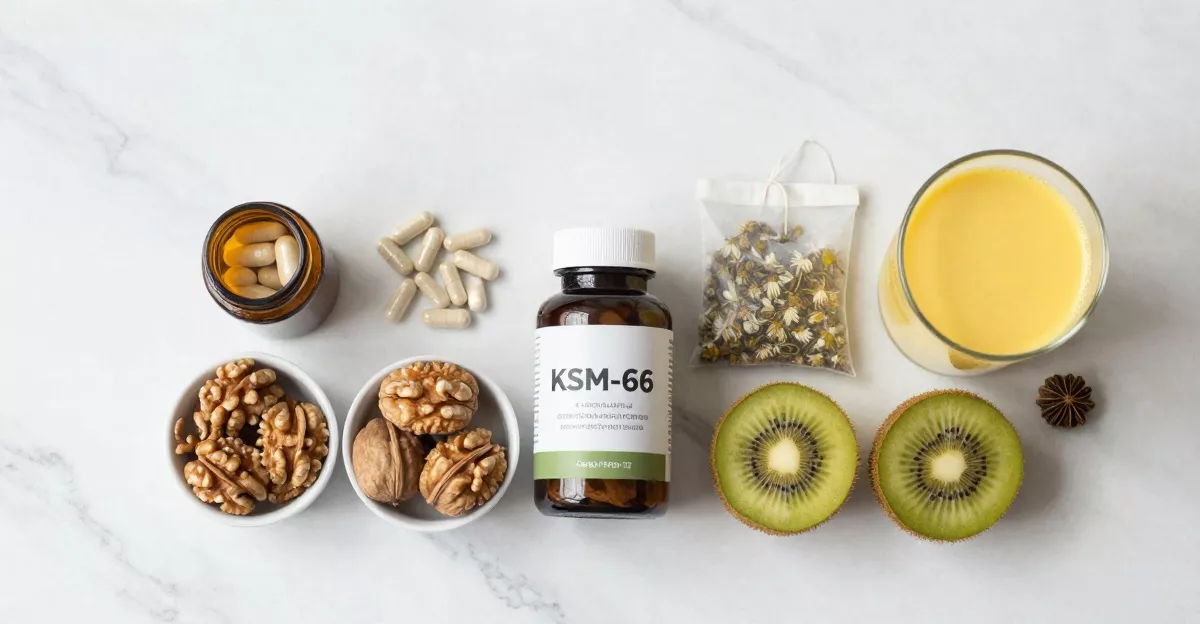
Once your circadian rhythm is anchored, your sleep environment is optimized, and your nervous system is prepared for sleep, targeted nutritional and supplemental interventions can meaningfully enhance the depth, quality, and restorative power of the sleep you get.
Nutrition for Sleep: What to Eat and Avoid
Sleep-relevant neurochemistry begins with what you eat:
The tryptophan → serotonin → melatonin pathway:
Tryptophan - an essential amino acid found in turkey, eggs, cheese, nuts, seeds, and milk - is the precursor to serotonin, which is converted to melatonin in the pineal gland. Consuming tryptophan-rich foods in the evening, paired with complex carbohydrates (which facilitate tryptophan's transport across the blood-brain barrier), supports natural melatonin synthesis.
Sleep-supporting foods:
- Tart cherry juice: The only known significant dietary source of melatonin. A 2012 RCT found 240ml of tart cherry juice twice daily increased sleep time by 85 minutes and improved sleep efficiency in adults with insomnia
- Kiwi fruit: A 2011 study found eating 2 kiwis 1 hour before bed for 4 weeks improved sleep onset speed by 35%, total sleep time by 13%, and sleep efficiency by 5%
- Walnuts: Rich in melatonin, magnesium, and tryptophan - a genuinely sleep-supportive evening snack
- Warm milk with nutmeg: The traditional Indian remedy has genuine pharmacological basis - milk contains tryptophan, nutmeg has mild sedative properties via myristicin
Foods that disrupt sleep:
- High glycemic foods at dinner: Spike blood sugar, followed by a glucose drop at 2-3 AM that triggers cortisol release and wakes you
- Spicy foods within 3 hours of bed: Raise core body temperature and cause acid reflux, both of which fragment sleep
- Eating too close to bedtime: A 2020 study found eating within 1 hour of bedtime was associated with significantly reduced slow-wave sleep and increased awakening frequency
Evidence-Based Sleep Supplements
Magnesium glycinate (300-400mg, 60 minutes before bed):
Magnesium activates GABA receptors - the primary inhibitory neurotransmitter system that slows neural activity for sleep. Glycinate form crosses the blood-brain barrier efficiently and has minimal digestive side effects. Also relaxes smooth muscle, reducing the physical tension associated with difficulty sleeping.
L-theanine (100-200mg):
A non-protein amino acid found in green tea. Increases alpha brain wave activity - associated with relaxed alertness - without sedation. Reduces anxiety and hyperarousal without next-day grogginess. Particularly effective for sleep onset insomnia driven by racing thoughts.
Ashwagandha KSM-66 (300-600mg):
A 2019 double-blind RCT published in Medicine found KSM-66 ashwagandha significantly improved sleep quality, sleep onset latency, and morning alertness compared to placebo in adults with insomnia - through its cortisol-reducing and GABA-modulating mechanisms.
Melatonin - correct use and common misuse:
Melatonin is a circadian timing signal, not a sleep-inducing sedative. Most people take far too much (5-10mg) - doses that are 20-50 times the physiological range. Research indicates 0.3-0.5mg is the effective dose for circadian timing. Take 30-60 minutes before your desired sleep time. Best use: jet lag, shift work adjustment, circadian phase shifting - not as a nightly sleep aid.
Glycine (3g):
An amino acid that lowers core body temperature through peripheral vasodilation - facilitating the temperature drop required for sleep initiation and deep sleep maintenance. A 2012 study in Sleep and Biological Rhythms found 3g glycine before bed improved subjective sleep quality, reduced fatigue, and improved daytime cognitive performance.
Apigenin (50mg - chamomile extract):
A flavonoid that binds to benzodiazepine receptors on GABA-A complexes - producing mild anxiolytic and sedative effects without dependence or tolerance. The active compound in chamomile tea, but at pharmacologically relevant doses in extract form.
Biohacks for Deep Sleep Enhancement
- Cold bedroom: Every degree below 22°C measurably increases deep sleep duration. The science is clear - cool is profoundly better than warm for sleep quality.
- Weighted blankets: Deep pressure stimulation from a weighted blanket (approximately 10% of body weight) reduces anxiety and cortisol - a 2020 study found weighted blankets significantly reduced insomnia severity and daytime fatigue.
- Red light therapy before bed: Red and near-infrared light (630-850nm) does not suppress melatonin - unlike blue light - and may support melatonin synthesis. 10-15 minutes of red light exposure in the hour before bed is a low-risk, potentially beneficial intervention.
- Mouth taping: Encourages nasal breathing during sleep - increasing nitric oxide production, improving oxygen uptake, and reducing snoring. Use specifically designed mouth tape (Myotape or similar). Contraindicated if you have nasal congestion or suspect sleep apnea.
- HRV tracking: Heart rate variability (HRV) - the beat-to-beat variation in heart rate - is the most sensitive available measure of recovery quality and nervous system balance. Improving HRV over weeks and months reflects genuine improvements in sleep quality and physiological restoration.
What to Do When You Wake at 3 AM
3 AM awakening is one of the most common and distressing sleep complaints. Its most frequent physiological driver is a cortisol pulse combined with a blood glucose dip - the body's natural early morning cortisol rise (which begins around 3-4 AM in preparation for waking) arrives too strongly in sleep-disrupted individuals.
Step-by-step return-to-sleep protocol:
- Do not check the time - clock-watching activates performance anxiety and extends awakening
- Do not reach for your phone - even 2 seconds of screen light signals morning to your SCN
- Stay in bed if less than 20 minutes awake - use the physiological sigh (double inhale, long exhale) repeated 5 times
- Body scan meditation: Slowly move awareness from feet to head, releasing tension in each area without trying to sleep
- If awake beyond 20 minutes: Get up quietly, go to a dimly lit room, do something calming (read a physical book) until genuinely sleepy, then return to bed
- The following day: Keep your fixed wake time. Don't nap for more than 20 minutes. Increase evening wind-down duration to 2 hours.
8. Your Personal Sleep Optimization Blueprint
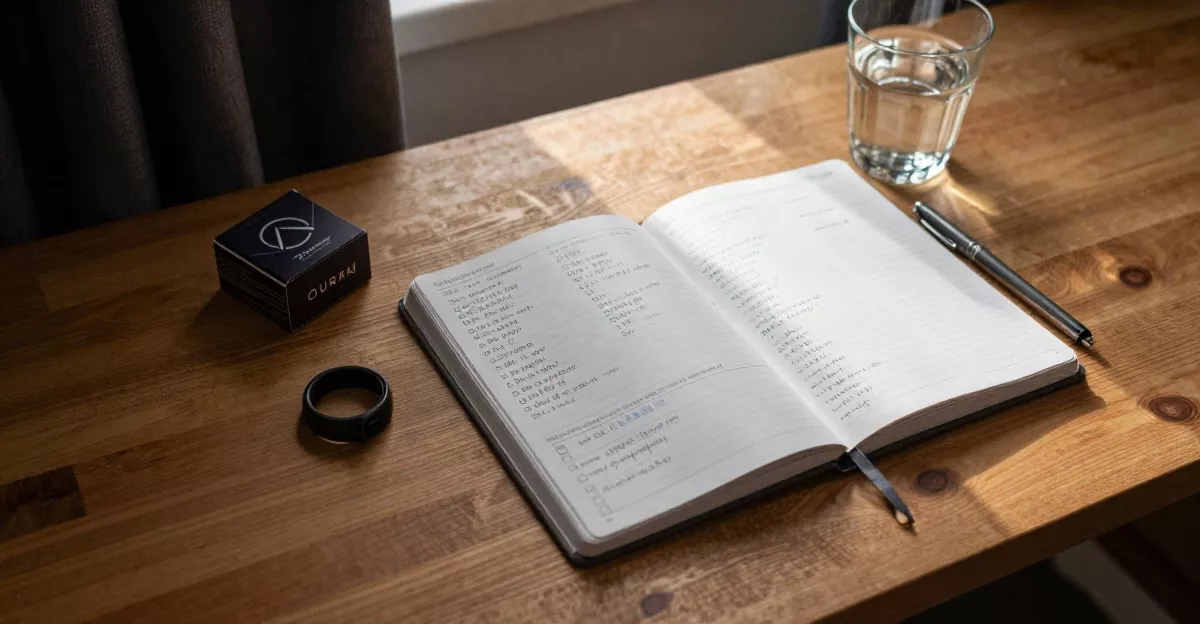
Building Your Ideal Sleep Schedule
Sleep scheduling is not one-size-fits-all. The goal is to find a sleep window that aligns with your chronotype as closely as your life permits:
Calculating your ideal sleep window:
- Identify your chronotype (Lion, Bear, Wolf, or Dolphin)
- Work backward from your fixed, non-negotiable wake time
- Add 8-9 hours for your target bedtime (accounting for the 15-20 minutes average sleep onset time)
- Maintain this window with maximum 30-minute variation on weekends - greater variation creates social jetlag
Managing travel and time zone disruption:
- On eastward travel (advancing): Use morning light exposure at destination to advance your clock. Melatonin (0.5mg) in the early evening at your destination.
- On westward travel (delaying): Use evening light exposure, avoid morning light.
- The general rule: the body can re-entrain at approximately 1 time zone per day
The Sleep Tracking Stack
Tracking sleep objectively transforms vague dissatisfaction ("I'm always tired") into actionable data ("my deep sleep drops when I drink alcohol on weekdays"):
Consumer sleep trackers - accuracy overview:
- Oura Ring (Gen 3): Most accurate consumer sleep stage detection available. Gold standard for HRV and recovery tracking. Cost: ₹20,000-25,000.
- WHOOP 4.0: Subscription model, excellent for recovery and strain tracking, strong HRV monitoring. Best for athletes.
- Apple Watch (Series 9+): Sleep stage detection added - less accurate than Oura but convenient for existing Apple users.
- Budget options for Indian consumers: Amazfit Balance (₹7,000-9,000) and Mi Band 8 Pro (₹3,500-4,500) provide meaningful sleep duration and basic stage estimates at accessible price points.
The orthosomnia risk: Over-reliance on sleep tracker data can create orthosomnia - anxiety about achieving "perfect" sleep metrics that paradoxically worsens sleep. Use data as a weekly trend tool, not a nightly performance scorecard.
The 30-Day Sleep Transformation Protocol
Week 1 - Circadian Anchoring:
- Set and hold your fixed wake time every single day
- Morning light within 30 minutes of waking - 10 minutes minimum
- Consistent meal timing - no eating within 2 hours of bed
- Track: note bedtime, estimated sleep onset time, wake time, and morning energy rating (1-10)
Week 2 - Sleep Environment Optimization:
- Blackout curtains or eye mask
- Bedroom temperature 18-20°C
- Remove all devices from the bedroom
- White or brown noise if needed
- Track: note any nighttime awakenings and estimated duration
Week 3 - Pre-Sleep Routine and Nervous System Regulation:
- Implement the full 90-minute wind-down protocol
- Add PMR or Yoga Nidra nightly
- Cognitive offloading journal every evening
- Begin magnesium glycinate + L-theanine supplementation
- Track: sleep onset latency, number of nighttime awakenings
Week 4 - Supplement Stack and Nutrition Refinement:
- Add ashwagandha (if high-stress profile)
- Adjust dinner timing and composition (tryptophan-rich, moderate carb)
- Add tart cherry juice or kiwi as evening snack if needed
- Full review of all four weeks of data - compare Week 4 metrics to Week 1 baseline
What to expect: Most people report measurable improvement in sleep onset by the end of Week 1 (circadian anchoring alone is powerful). Deep sleep quality typically improves most noticeably in Week 2-3 with environment and routine optimization. Full subjective sleep quality transformation - feeling genuinely restored upon waking - typically manifests in Week 3-4.
When to See a Sleep Specialist
Self-directed sleep optimization is highly effective for most sleep challenges. Seek professional evaluation when:
- Insomnia persists beyond 3 months despite implementing the strategies in this guide
- You are told by a partner that you stop breathing, gasp, or snore loudly during sleep - potential sleep apnea requiring polysomnography
- You experience excessive daytime sleepiness despite apparently adequate sleep time - narcolepsy or idiopathic hypersomnia
- You have restless legs, periodic limb movement, or sleep paralysis - parasomnia conditions requiring specialist assessment
- You experience night terrors or sleepwalking - particularly if onset is in adulthood
Sleep medicine resources in India:
- AIIMS Sleep Disorders Clinic (New Delhi)
- Fortis Hospital Sleep Lab (multiple cities)
- Apollo Sleep Disorders Centre (multiple cities)
- Telemedicine options: SleepScore, Practo (sleep specialist consultations), and online CBT-I programs (Sleepio, Somryst) are increasingly accessible across India