

Understanding Mental Health in the Modern World
Mental health isn't a destination. It's a dynamic, ever-shifting state - and understanding it clearly is the first step to improving it.
Deep Dive
To dive deeper into this topic, read our comprehensive guide: Mastering Stress Through HRV Biofeedback
What Mental Health Really Means (Beyond the Basics)
The World Health Organization defines mental health as "a state of well-being in which an individual realizes their own abilities, can cope with the normal stresses of life, can work productively, and is able to make a contribution to their community."
That definition covers three dimensions:
- Emotional well-being - how you process and express your feelings
- Psychological well-being - your sense of identity, purpose, and growth
- Social well-being - the quality of your relationships and your sense of belonging
One of the most important clarifications: mental health and mental illness are not the same thing. You can have poor mental health without a diagnosed condition, and someone with a diagnosed disorder can still experience periods of strong mental well-being. Think of it as a spectrum, not a binary.
The mental health spectrum typically moves through these zones:
- Thriving - energized, engaged, connected
- Surviving - functional but depleted, running on autopilot
- Struggling - overwhelmed, withdrawn, emotionally exhausted
- Crisis - unable to cope, needs immediate professional support
Most people oscillate between surviving and struggling without ever realizing they've left the thriving zone.
Why Mental Health Is Declining in Today's Fast-Paced World
The modern environment is, in many ways, hostile to mental wellness. Consider these compounding pressures:
- Digital overload: The average person touches their smartphone over 2,600 times per day (Dscout Research). Constant notifications fragment attention and trigger micro-stress responses repeatedly throughout the day.
- Social comparison culture: Platforms like Instagram and LinkedIn create distorted realities, leading to what researchers call "social comparison theory" stress - a chronic low-grade anxiety about not doing or being enough.
- Hustle culture glorification: "Sleep when you're dead" mentalities normalize overwork, suppress recovery signals, and normalize burnout as productivity.
- The loneliness paradox: Despite being more digitally connected than ever, a 2023 Gallup survey found that 1 in 4 adults globally report feeling very lonely - a metric directly linked to poor mental health outcomes.
Key Statistics & Research Insights
The numbers paint a sobering picture:
- The WHO estimates that 1 in 4 people will experience a mental health condition at some point in their lives
- Anxiety disorders affect 284 million people globally, making it the most common mental health condition
- Burnout affects 77% of professionals at some point in their careers, according to a Deloitte Workplace Burnout Survey
- Depression is the leading cause of disability worldwide, costing the global economy an estimated $1 trillion per year in lost productivity
These are not statistics about "other people." They represent your colleagues, your friends, and very possibly - you.
The Science of Stress, Anxiety, and Burnout
Understanding what's happening inside your body and brain is transformative. It replaces shame and confusion with clarity and control.
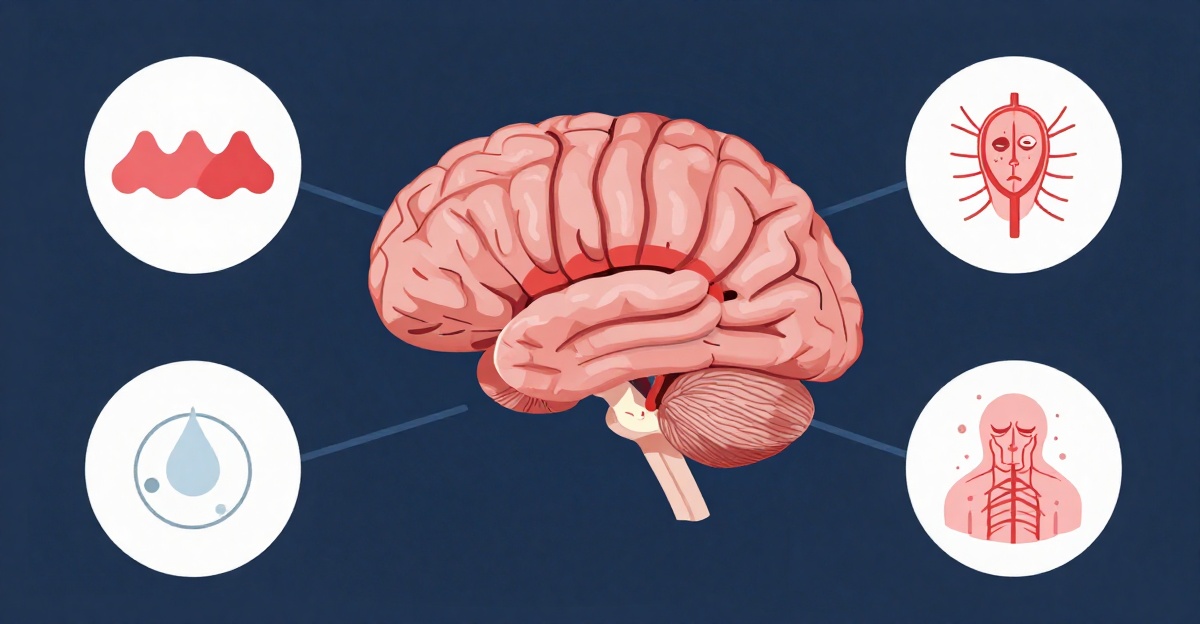
How Stress Works in the Brain and Body
Stress begins in the amygdala - the brain's alarm center. When it perceives a threat (real or imagined), it fires off a cascade of signals:
- The hypothalamus activates the sympathetic nervous system
- The adrenal glands release adrenaline and cortisol
- Heart rate increases, digestion slows, muscles tense
- Blood is diverted away from the prefrontal cortex (rational thinking) toward survival circuits
This is the classic fight-or-flight response - brilliantly designed for escaping predators, terribly calibrated for Zoom calls and email inboxes.
Acute stress (short-term) is actually healthy. It sharpens focus, boosts performance, and builds resilience. The problem is chronic stress - when the stress response never fully deactivates.
Chronically elevated cortisol levels are linked to:
- Memory impairment and reduced cognitive function
- Immune system suppression
- Increased risk of cardiovascular disease
- Disrupted sleep patterns
- Weight gain and metabolic dysfunction
Understanding Anxiety: When Stress Becomes Persistent
Anxiety is essentially the stress response stuck in the "on" position - often triggered by anticipated threats rather than real ones. It's characterized by:
- Cognitive patterns: catastrophizing ("What if everything goes wrong?"), hypervigilance, and rumination
- Physical symptoms: racing heart, muscle tension, shallow breathing, digestive issues
- Behavioral avoidance: steering clear of situations that trigger discomfort, which actually reinforces the anxiety loop
A classic anxiety cycle looks like this: Trigger → Negative thought → Physical sensation → Avoidance → Short-term relief → Increased sensitivity. Every time you avoid, the anxiety grows stronger.
Research from Harvard Medical School shows that anxiety activates the default mode network - the brain's "idle" circuit - leading to excessive self-referential thinking, commonly known as overthinking.
Burnout Explained: More Than Just Being Tired
Burnout was officially recognized by the WHO in 2019 as an occupational phenomenon defined by three dimensions:
- Emotional exhaustion - feeling drained beyond recovery by sleep alone
- Depersonalization (cynicism) - emotional detachment from your work and people around you
- Reduced personal accomplishment - feeling ineffective, incapable, or purposeless
Case Study - Corporate Burnout: A 34-year-old product manager at a mid-size tech company described her burnout this way: "I'd wake up already exhausted. I'd go through meetings like a robot. I stopped caring about outcomes that used to excite me. I wasn't depressed exactly - I was just... empty." This is a textbook description of burnout, and it's vastly different from simple tiredness. Recovery requires systemic change - not just a weekend off.
Emotional Resilience: The Core Skill for Modern Life
If stress and burnout are the disease of modern life, emotional resilience is the antidote.

What Is Emotional Resilience?
Emotional resilience is the capacity to adapt, recover, and even grow in the face of adversity, stress, or significant challenges. It's not about being unaffected by difficult emotions - it's about not being controlled by them.
Critically, resilience is not the same as emotional suppression. Suppression is pushing feelings down and pretending they don't exist. Resilience is acknowledging them, processing them, and moving forward without being derailed.
A landmark study by psychologist Dr. Ann Masten at the University of Minnesota found that resilience isn't an extraordinary trait - it's an ordinary one built from everyday resources: relationships, self-regulation, and a sense of meaning.
The 5 Pillars of Emotional Resilience
Research consistently identifies five interconnected pillars:
- Self-awareness - the ability to recognize your emotional state in real time, without judgment. It's the foundation everything else is built on.
- Emotional regulation - the skill of managing emotional reactions so they don't hijack your thinking or behavior. Techniques like cognitive reframing and breathing exercises directly build this.
- Mental flexibility - the capacity to adjust your thinking when circumstances change. Rigid thinkers break under pressure; flexible thinkers bend and bounce back.
- Purpose and meaning - having a clear sense of why you do what you do provides an anchor during turbulent periods. Viktor Frankl's research in Man's Search for Meaning demonstrated this powerfully in the most extreme circumstances imaginable.
- Social connection - human beings are wired for belonging. Strong, authentic relationships buffer against stress and accelerate recovery from adversity. A 2023 Harvard study on adult development found that the single strongest predictor of well-being in later life was the quality of relationships in midlife.
Real-Life Examples of Resilient Individuals
Consider Malala Yousafzai - surviving an assassination attempt and channeling that trauma into global advocacy. Or closer to everyday experience: the first-generation college student who fails their first semester, recalibrates, and graduates with honors. Resilience is not the absence of falling - it's the architecture of getting back up.
Proven Stress Management Techniques That Actually Work
Theory without application is just information. Here's where we get tactical.
Immediate Techniques for Quick Stress Relief
When you're in a high-stress moment, your nervous system needs an immediate pattern interrupt:
Box Breathing (Used by Navy SEALs):
- Inhale for 4 counts
- Hold for 4 counts
- Exhale for 4 counts
- Hold for 4 counts
- Repeat 4-6 cycles
This activates the parasympathetic nervous system, directly counteracting the fight-or-flight response. Research published in Frontiers in Human Neuroscience found that controlled breathing exercises significantly reduce cortisol and subjective stress within minutes.
The 5-4-3-2-1 Grounding Technique:
- Name 5 things you can see
- 4 things you can touch
- 3 things you can hear
- 2 things you can smell
- 1 thing you can taste
This technique pulls your attention from abstract anxiety (future-focused) into present-moment sensory experience, interrupting the anxiety loop at its cognitive root.
Daily Habits That Reduce Stress Long-Term
Immediate techniques handle the emergency. These habits prevent it:
- Sleep: Matthew Walker's research in Why We Sleep established that chronic sleep deprivation (under 7 hours) amplifies amygdala reactivity by up to 60% - meaning you literally become more emotionally volatile when sleep-deprived.
- Exercise: A meta-analysis of 49 studies published in JAMA Psychiatry found that physical activity is as effective as antidepressants for mild to moderate depression. Even 20-30 minutes of moderate exercise reduces cortisol and releases BDNF (brain-derived neurotrophic factor), which regenerates neurons.
- Nutrition: The gut-brain axis - the bidirectional communication pathway between your gut microbiome and brain - means what you eat directly affects mood. Diets high in fermented foods, omega-3s, and leafy greens are associated with significantly lower rates of anxiety and depression (Harvard T.H. Chan School of Public Health, 2022).
Time & Energy Management for Busy Professionals
Stress often isn't about having too much to do - it's about having no clarity on what not to do.
- The Eisenhower Matrix: Categorize tasks into Urgent/Important, Not Urgent/Important, Urgent/Not Important, Not Important/Not Urgent. Most professionals discover they're spending the majority of time in the urgent-but-not-important quadrant.
- Decision fatigue management: Barack Obama famously wore only grey or blue suits to eliminate trivial decisions and preserve mental bandwidth. Apply this to meal planning, weekly schedules, or morning routines.
- Digital detox boundaries: Designate no-phone zones (meals, the first 30 minutes of waking, the hour before sleep). Research from the University of Texas found that the mere presence of a smartphone reduces available cognitive capacity - even when the phone is face-down and silent.
Mindfulness Practices for Emotional Stability
Mindfulness has moved from the meditation cushion to the boardroom - and the science explains exactly why.

What Is Mindfulness and Why It Works
Mindfulness is deliberate, non-judgmental attention to the present moment. It is not emptying your mind (an impossible task) - it's training your mind to observe thoughts without being swept away by them.
Neuroscience has caught up with ancient wisdom. An eight-week Mindfulness-Based Stress Reduction (MBSR) program - developed by Dr. Jon Kabat-Zinn at MIT - was shown in a landmark Harvard study to:
- Increase gray matter density in the prefrontal cortex (decision-making, self-regulation)
- Decrease gray matter volume in the amygdala (fear and stress reactivity)
- Reduce markers of inflammation associated with stress-related diseases
The NIH now funds dozens of active research programs on mindfulness interventions. The evidence is no longer fringe - it's mainstream medicine.
Beginner-Friendly Mindfulness Techniques
You don't need an app, a cushion, or 45 minutes. You need a willingness to pay attention.
Breath Awareness Meditation (5 minutes):
- Sit comfortably, close your eyes
- Bring attention to the physical sensation of breathing - the air entering your nostrils, chest rising, belly expanding
- When your mind wanders (and it will - that's normal), gently bring it back to the breath
- Repeat. That act of noticing and returning is the practice.
Body Scan Practice (10 minutes):
Slowly move attention from the top of your head to the tips of your toes, noticing sensations without trying to change them. This practice is clinically proven to reduce psychosomatic symptoms - physical pain caused or amplified by stress.
Mindful Walking:
Walk slowly and deliberately, noticing each footfall, the texture of the ground, the rhythm of your movement. Turn a commute into a practice.
Integrating Mindfulness Into a Busy Schedule
The biggest barrier to mindfulness isn't skill - it's consistency. Solutions:
- Habit stacking: Attach mindfulness to existing habits. Three mindful breaths before you open your laptop. A 60-second body scan before eating lunch.
- 1-minute resets: Between meetings, spend 60 seconds with eyes closed, just breathing. This prevents stress accumulation throughout the day.
- Workplace mindfulness: Before a difficult conversation or presentation, use box breathing. After a stressful call, take a three-breath reset before moving on. These micro-moments compound into significant resilience over time.
How to Improve Mental Health Through Lifestyle Design
Mental health isn't just managed - it's designed. Your environment, routines, and relationships either deplete or restore you.
The Role of Sleep, Diet, and Movement
These three pillars form the biological foundation of mental health. No amount of therapy or meditation fully compensates for chronically disrupted sleep, a highly inflammatory diet, and a sedentary lifestyle.
- Sleep architecture: Aim for 7-9 hours with consistent sleep and wake times. The brain's glymphatic system - which clears metabolic waste including proteins linked to Alzheimer's disease - only activates during deep sleep. Chronic deprivation literally allows toxic buildup in your brain.
- Brain-healthy nutrition: The Mediterranean diet has been consistently linked to lower rates of depression in longitudinal studies. Key components: olive oil, fatty fish (omega-3s), legumes, whole grains, and abundant vegetables. Minimize ultra-processed foods, refined sugar, and alcohol - all of which disrupt the gut-brain axis.
- Movement frequency over intensity: You don't need to run marathons. A 2022 study in The Lancet Psychiatry analyzing data from 1.2 million people found that exercising 3-5 times per week, for 45-60 minutes, was associated with the greatest mental health benefits. Team sports and walking in nature showed the highest reductions in poor mental health days.
Building a Mentally Healthy Environment
Your environment shapes your mental state more than willpower ever will.
- Digital hygiene: Audit your social media consumption. If scrolling consistently leaves you feeling worse - that's data. Mute, unfollow, or delete without guilt.
- Workspace design: Natural light, plants, and reduced clutter measurably reduce cortisol and improve focus. If you work from home, create a clear physical boundary between "work space" and "rest space."
- Relationship audit: Research by social psychologist Nicholas Christakis at Harvard shows that emotions - including happiness and depression - are socially contagious, spreading through social networks up to three degrees of separation. Consciously investing time in relationships that energize you - and creating distance from chronically draining ones - is not selfish. It's essential.
The Power of Routine and Consistency
The brain loves predictability. Consistent routines reduce the number of micro-decisions required each day, freeing up cognitive resources for meaningful work and genuine rest.
Sample High-Performance Morning Routine:
- No phone for the first 30 minutes
- 5-10 minutes of mindful breathing or journaling
- Movement (walk, stretch, gym)
- Protein-rich breakfast
- Review top 3 priorities for the day
Evening Wind-Down Ritual:
- Screen-free hour before bed
- Light stretching or reading
- Gratitude journaling (3 things that went well - activates positive neural pathways)
- Consistent sleep time
Habit researcher James Clear writes in Atomic Habits: "You do not rise to the level of your goals, you fall to the level of your systems." Your mental health is the product of your daily systems.
Burnout Recovery: A Step-by-Step Reset Plan
Burnout doesn't resolve with a vacation. It requires a systematic, phased approach to recovery.

Recognizing the Early Signs of Burnout
Most people miss burnout until they're deep in it. Watch for these early signals:
Physical signs:
- Chronic fatigue unresponsive to sleep
- Frequent headaches, muscle tension, or digestive issues
- Getting sick more often than usual
Emotional signs:
- Persistent cynicism or detachment
- Feeling emotionally numb or "checked out"
- Dreading the start of each workday
Behavioral signs:
- Declining productivity despite more hours worked
- Withdrawing from social interactions
- Increased reliance on caffeine, alcohol, or numbing behaviors
Quick Self-Assessment: Rate yourself 1-10 on: energy levels, enthusiasm for work, sense of accomplishment, emotional connection to colleagues, and ability to disconnect after hours. Consistently scoring below 5 across multiple dimensions is a strong burnout indicator.
The 4-Phase Burnout Recovery Framework
Recovery is non-linear, but this framework provides a reliable structure:
Phase 1 - Awareness and Honest Acknowledgment
Stop minimizing. Say clearly: "I am burned out." This isn't weakness - it's diagnosis. Identify the primary sources: workload, lack of autonomy, misaligned values, toxic environment, or inadequate recognition. You cannot treat what you haven't named.
Phase 2 - Nervous System Recovery
The priority here is biological restoration, not productivity optimization. This means:
- Sleeping more (temporarily increasing to 9+ hours if needed)
- Reducing stimulants (caffeine, news, social media)
- Incorporating daily parasympathetic activation (breathing, gentle walking, nature exposure)
- Saying no to non-essential commitments without explanation
Phase 3 - Rebuilding Energy and Motivation
Gradually reintroduce activities that create joy and meaning - not obligation. Reconnect with forgotten hobbies. Spend time in nature. Deepen 1-2 close relationships. This phase is about feeding your nervous system, not just resting it.
Phase 4 - Redesigning Work and Life
This is where lasting change happens. If you return to exactly the same conditions that caused burnout, you will burn out again. Work with your manager to adjust workload, reclaim personal time, set communication boundaries, and realign daily tasks with your core strengths and values.
Case Study: From Burnout to Balance
Ravi, 38, Senior Marketing Director: After 18 months of 60-hour work weeks, Ravi began experiencing insomnia, emotional numbness, and chronic neck pain. He was producing more work than ever and felt like he was achieving nothing. On his doctor's advice, he took a 3-week medical leave.
During that time, he completed Phase 1-2: sleeping without alarms, disconnecting from work devices, and taking daily afternoon walks. By week three, he felt "something thaw" emotionally. In Phase 3, he returned to cooking - a passion abandoned years earlier - and started weekly calls with friends he'd neglected.
Upon returning to work (Phase 4), he negotiated three boundaries with his leadership: no Slack messages after 7 PM, protected lunch breaks, and two deep-focus work blocks per day. Eighteen months later, his performance metrics were higher and his sick days lower than at any previous point in his career.
The lesson: recovery done right doesn't set you back - it propels you forward.
When to Seek Professional Help (And How to Do It Right)
Self-help tools are powerful. They are not, however, a substitute for professional care when it's needed. Knowing when to escalate is a sign of wisdom, not weakness.
Signs You Should Not Ignore
Seek professional support if you experience:
- Persistent low mood or hopelessness lasting more than two weeks
- Anxiety that is significantly interfering with work, relationships, or daily function
- Thoughts of self-harm or suicide (seek help immediately)
- Emotional numbness that doesn't respond to rest or social connection
- Increased dependence on alcohol, substances, or compulsive behaviors as coping mechanisms
- Physical symptoms with no medical cause - persistent fatigue, pain, digestive issues - which are common somatic expressions of psychological distress
Types of Mental Health Support Available
The right type of support depends on your needs:
- Psychologists: Provide talk therapy and behavioral interventions (CBT, DBT, EMDR). Ideal for anxiety, depression, trauma, and behavioral patterns.
- Psychiatrists: Medical doctors who can diagnose conditions and prescribe medication when needed. Best for severe depression, bipolar disorder, ADHD, or when therapy alone isn't sufficient.
- Therapists/counselors: Offer supportive counseling and are often more accessible and affordable. Excellent for stress, relationship challenges, and life transitions.
- Mental health coaches: Non-clinical practitioners who help with performance, mindset, and resilience. Best used alongside clinical support, not as a replacement.
- Online therapy platforms (BetterHelp, Talkspace, iCall in India): Reduce access barriers through convenience, cost, and anonymity - particularly valuable for busy professionals.
How to Choose the Right Help
Finding the right therapist is like finding the right doctor - it takes some trial, and the fit matters enormously. Use these guidelines:
- Ask specifically about their experience with your primary concern (anxiety, burnout, trauma, etc.)
- Inquire about their therapeutic approach - CBT is evidence-based for anxiety and depression; somatic therapies work well for trauma
- Give it 3-5 sessions before deciding if the relationship is working
- Check if your employer has an Employee Assistance Program (EAP) - many offer free confidential therapy sessions
- In India, resources like iCall (TISS), Vandrevala Foundation Helpline (1860-2662-345), and NIMHANS offer accessible, low-cost professional support
On overcoming stigma: The biggest barrier to seeking help remains social stigma - the fear of being perceived as weak, unstable, or broken. Here's a useful reframe: you go to a doctor for a broken leg. You don't "fix" it with willpower. The brain is an organ. When it needs care, professional support isn't a luxury - it's logical.
Final Thoughts: Your Mental Health Is a Practice, Not a Project
Mental health isn't a problem to solve once and check off. It's an ongoing practice - like fitness, nutrition, or any skill worth developing. The strategies in this guide aren't a checklist to complete. They're a toolkit to return to, adapt, and deepen over time.
Start small. Pick one technique from each section and commit to it for 30 days. Box breathing before stressful meetings. A 10-minute walk every afternoon. Consistent sleep time. Gratitude journaling three times a week. Small, consistent inputs produce compounding results.
Your mind is your most valuable asset. Invest in it accordingly.