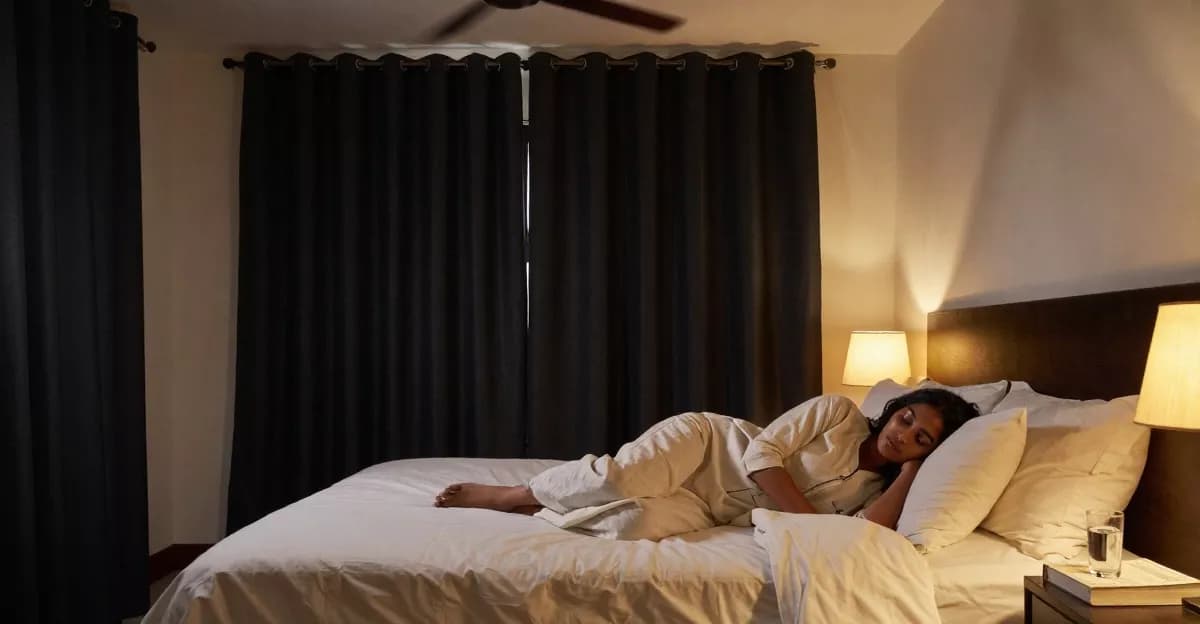
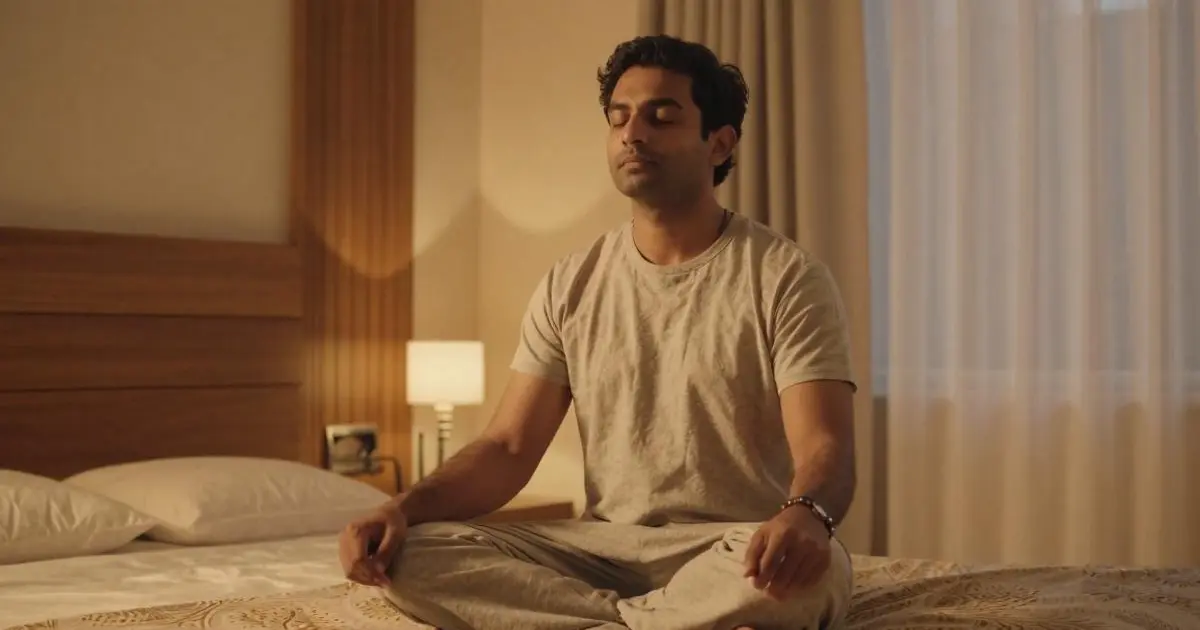
In today’s fast-paced world, it’s not uncommon to feel exhausted yet too wired to sleep. This paradoxical ‘tired but wired’ syndrome not only disrupts your daily functional abilities but also sabotages your well-being by interfering with restorative sleep cycles. Thankfully, the ancient practice of breathwork, focusing on the vagus nerve, has resurfaced in modern times as a powerful remedy to recalibrate your nervous system and promote deep sleep recovery. But how exactly does this work, and why should you consider making it part of your nightly routine?
Let’s delve deeper into the intriguing interaction between the vagus nerve and your body’s natural sleep mechanisms.
Understanding the Vagus Nerve and Sleep Correlation
At the core of the body's autonomic nervous system lies the vagus nerve, the longest cranial nerve that connects the brain to the body. It plays a crucial role in controlling the parasympathetic nervous system, often called the 'rest and digest' system, which counters the ‘fight or flight’ sympathetic responses. By enhancing vagus nerve activity, individuals can effectively toggle from a state of high alert to one of calm, fostering conditions conducive to sleep.
When activated through specific breathing techniques, the vagus nerve helps increase heart rate variability (HRV). Higher HRV is a marker for a relaxed state and is associated with better cardiovascular health and resilience to stress.
The ability of the vagus nerve to decrease heart rate and induce muscle relaxation positions it as a natural tranquilizer that eases the mind into a state of readiness for sleep. As experts suggest, when coupled with breathwork, this can transform restless nights into deeply restorative experiences.
An ideal example of this connection is how a 4-6 breathing structure (inhale for 4 seconds, exhale for 6) has been shown to decrease 'tired but wired' sensations by initiating a parasympathetic response, thereby supporting sleep onset within a mere 10-15 minutes of practice. [source]
Deep Dive
To dive deeper into this topic, read our comprehensive guide: The Ultimate Sleep Guide: Optimizing Sleep Hygiene & Circadian Rhythm
Breathing Techniques: Activating Your Inner Calm
The power of breathing exercises specifically designed for stimulating the vagus nerve lies in their simplicity and effectiveness. By practicing techniques like diaphragmatic breathing and 1:2 ratio breathing approaches, one can potentially increase vagal tone by as much as 20-30% during sessions. This physiological response is pivotal for breaking the cycle of being overly stimulated yet fatigued.
The 4:7:8 breathing technique combines slow, purposeful breathing with elements of progressive relaxation, known to reset the autonomic nervous system. This method has been reported to improve slow-wave sleep, which is essential for physical restoration, in cases of chronic fatigue and alertness. [source]
Deep belly breathing, also referred to as diaphragmatic breathing, involves slowly inhaling for six seconds through the nose and exhaling for eight seconds through the mouth. This routine not only enhances vagal activity but also lowers blood pressure, showing significant promise in reducing hypertension risks linked to sleep disturbances. [source]
Emphasizing these methods can significantly shift your body’s sandbox from stress-driven overdrive to a balanced, recovery-oriented state.
Practical Application of Vagus Nerve Breathwork for Sleep
To implement these breathing techniques effectively, consistency and patience are key. Here are some step-by-step guidelines to harness the full potential of vagus nerve breathwork:
By following these steps, you support your nervous system's transition from activation to repose, aiding a more peaceful night's sleep.
Noteworthy Benefits of Holistic Breathwork
Incorporating specific breathwork targeted towards vagus nerve activation doesn't just end at improved sleep. It bears several ancillary benefits worth noting:
First, such practices reduce cortisol levels post-session by approximately 35%, crucial in combating stress and promoting nightly restorative sleep cycles for quality rest. [source]
Additionally, improved HRV coherence - heightened by up to 25% with consistent practice - indicates better emotional regulation and resilience against day-to-day stressors, thereby minimizing chances of 'tired but wired' scenarios in the subsequent night.
This practice encourages mindfulness and embodiment, urging you to focus on the present moment instead of dwelling on past stressors or future anxieties, which are often culprits in sleep disruption.
All of these benefits together create an environment where sleep itself becomes the zenith of recovery, both physically and mentally.
FAQs
What is the vagus nerve and how does it help with sleep?
The vagus nerve is a critical component of the parasympathetic nervous system, responsible for mediating calmness and lowering stress levels. By activating it through specific breathing exercises, it can help transition the body into a state conducive to deep sleep.
Can vagus nerve breathing help with insomnia?
Yes, vagus nerve breathing can significantly aid in reducing insomnia symptoms by lowering sympathetic overdrive, improving heart rate variability, and promoting relaxation, thereby facilitating easier sleep onset.
How does 4-6 breathing work for sleep?
The 4-6 breathing technique involves inhaling for 4 seconds and exhaling for 6 seconds, stimulating the vagus nerve to activate the parasympathetic response, reducing stress and supporting sleep onset.
How long should I practice vagus nerve breathing before bed?
Practicing vagus nerve breathing for 10-15 minutes before bed can effectively initiate a parasympathetic dominance, fostering conditions for improved sleep quality.
What is the tired but wired feeling and how can breathing help?
The 'tired but wired' feeling occurs due to an imbalance in nervous system responses. Breathing techniques that stimulate the vagus nerve help recalibrate these responses, reducing alertness and promoting relaxation for better sleep.