
The Longevity Shift: From Lifespan to Healthspan
In 1900, the average human lifespan was 47 years. By 2026, it exceeds 73 years globally - an extraordinary achievement of medicine, sanitation, and nutrition that added more years to human life in a single century than in all of prior human history combined.
And yet something critical is missing from this victory.
Of those additional decades, a disproportionate number are spent in chronic disease, cognitive decline, physical dependency, and diminished vitality - not in the full, energetic, purposeful life most people envision when they imagine living longer. The average person in the developed world now spends the last 10-16 years of their life with at least one serious chronic condition. In India, the metabolic disease burden - diabetes, cardiovascular disease, and accelerating rates of dementia - is creating a longevity crisis that threatens to overwhelm both families and healthcare systems.
This guide is not about living longer. It is about living better, longer - compressing disease and decline into the shortest possible window at the very end of a long, vital life. The science to do this exists. Here is how to use it.
Deep Dive
To dive deeper into this topic, read our comprehensive guide: Harnessing MSC Secretome: A New Hope for Repairing Radiation-Damaged Brain Cells
1. Rethinking Aging: The New Science of Living Longer and Better
The Lifespan vs Healthspan Distinction
Lifespan is the total number of years you live. Healthspan is the number of those years you spend in full physical and cognitive vitality - able to move freely, think clearly, engage meaningfully with life, and remain independent.
The gap between the two is the central problem of modern aging - and closing it is the central goal of longevity science.
Dr. Peter Attia - physician, longevity researcher, and author of Outlive - describes the dominant model of aging as a gradual slide into what he calls the "Marginal Decade": the last 10 years of life characterized by progressive loss of the physical and cognitive capacities that make life meaningful. His framework - and the framework of this guide - focuses on preserving the four pillars of functional capacity across a lifetime: cognitive function, physical strength, metabolic health, and emotional resilience.
The concept of compression of morbidity - first proposed by physician James Fries in 1980 and now extensively validated - holds that it is possible to delay the onset of chronic disease and functional decline so significantly that the period of serious illness is compressed into a very short window near the absolute end of life. The goal is not to be old for 30 years. It is to be vital and functional for 85-90 years, then decline rapidly.
Current data on the healthspan gap:
- Global average lifespan: approximately 73 years
- Global average healthy life expectancy: approximately 63 years (WHO, 2024)
- The gap: 10 years of compromised health on average - and widening
- In India, healthy life expectancy is approximately 60-62 years against a lifespan of 70-71 years
The Biology of Aging: What Is Actually Happening
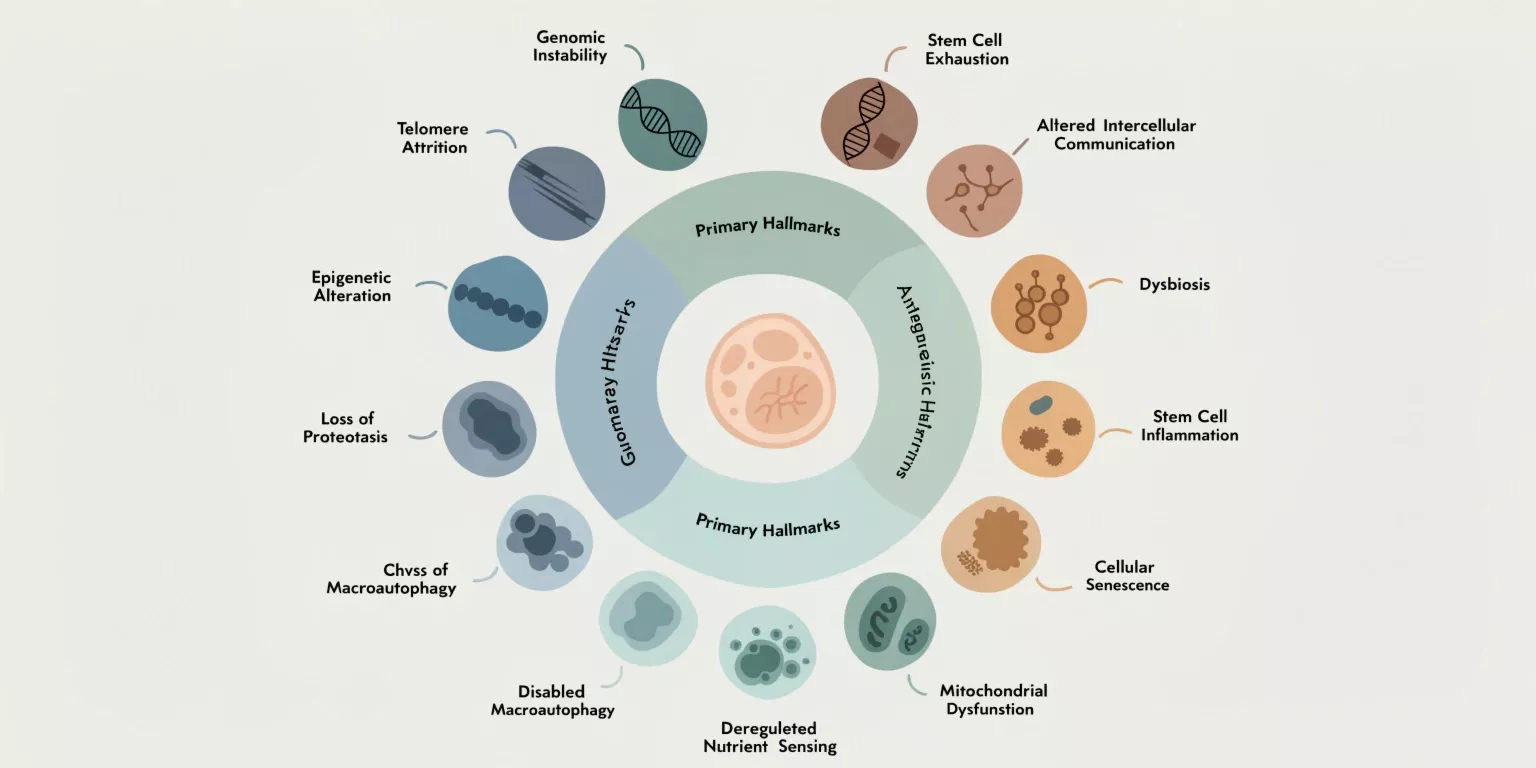
In 2013, Carlos López-Otín and colleagues published a landmark paper in Cell identifying nine fundamental biological processes - the Hallmarks of Aging - that drive the deterioration of the organism over time. In 2023, the same team expanded the framework to twelve hallmarks, adding disabled macroautophagy, chronic inflammation (inflammaging), and dysbiosis (gut microbiome disruption).
The twelve hallmarks, organized by category:
Primary Hallmarks (initiating damage):
- Genomic instability: Accumulating DNA damage from replication errors, oxidative stress, and environmental mutagens
- Telomere attrition: Progressive shortening of protective chromosome caps with each cell division
- Epigenetic alterations: Changes in gene expression patterns that dysregulate cellular function
- Loss of proteostasis: Failure of protein quality control - misfolded proteins accumulate (Alzheimer's plaques are a manifestation)
Antagonistic Hallmarks (initially adaptive, ultimately harmful):
- Disabled macroautophagy: Declining cellular self-cleaning capacity
- Deregulated nutrient sensing: mTOR overactivation, AMPK underactivation - the cellular switches of aging
- Mitochondrial dysfunction: Declining energy production efficiency and increasing oxidative damage
- Cellular senescence: Accumulation of dysfunctional "zombie cells" that drive inflammation
Integrative Hallmarks (downstream consequences):
- Stem cell exhaustion: Declining regenerative capacity across all tissues
- Altered intercellular communication: Disrupted signaling between cells and organs
- Chronic inflammation (inflammaging): Low-grade systemic inflammation that accelerates all other hallmarks
- Dysbiosis: Gut microbiome disruption with systemic consequences
The profound insight of the hallmarks framework is that these processes are not inevitable - every single one is modifiable by lifestyle, nutrition, and emerging pharmacological intervention.
Is Aging a Disease? The New Scientific Consensus
A quiet revolution is underway in how the scientific and medical community conceptualizes aging. The traditional view - aging as an inevitable, natural process outside the scope of medical treatment - is being challenged by a growing body of researchers who argue that aging is itself a pathological process that can and should be targeted therapeutically.
David Sinclair (Harvard Medical School, author of Lifespan) argues that aging is a disease - specifically, a loss of epigenetic information - and that it is the root cause of virtually all chronic disease. Aubrey de Grey (SENS Research Foundation) frames aging as an engineering problem of accumulated cellular damage that can be periodically repaired. Peter Attia takes a more clinically grounded approach - focusing less on the disease classification debate and more on the practical interventions that demonstrably extend healthspan today.
For people alive in 2026, the realistic longevity horizon involves two distinct strategies:
- The long game (emerging science): Senolytics, epigenetic reprogramming, and NAD+ restoration that may meaningfully extend healthy lifespan within the next 10-20 years
- The immediate game (available today): The lifestyle, nutritional, and behavioral interventions that have the strongest evidence base and are accessible to everyone - the subject of this guide
2. The Hallmarks of Aging: Understanding Your Biology
Understanding the biology of your own aging is not an academic exercise. It is the foundation for making intelligent, targeted interventions - knowing which biological processes you are trying to influence with every lifestyle choice you make.
Cellular Senescence: Zombie Cells and Chronic Inflammation
As cells accumulate damage beyond their repair capacity, they enter a state called cellular senescence - they stop dividing but refuse to die, persisting in tissue and secreting a toxic cocktail of inflammatory molecules called the Senescence-Associated Secretory Phenotype (SASP).
SASP molecules include pro-inflammatory cytokines (IL-6, IL-8), matrix metalloproteinases that degrade surrounding tissue, and growth factors that paradoxically can promote cancer cell proliferation. This continuous low-grade inflammatory output from accumulating senescent cells is a primary driver of inflammaging - the chronic, sterile, low-grade systemic inflammation that underlies most age-related chronic diseases.
By age 70, senescent cells may constitute 10-15% of all cells in some tissues - a burden that measurably impairs organ function, immune regulation, and metabolic health.
Lifestyle interventions that reduce senescent cell burden:
- Vigorous exercise (particularly high-intensity intervals) activates immune clearance of senescent cells
- Fisetin - a polyphenol found in strawberries, apples, and onions - demonstrated senolytic (senescent cell-clearing) activity in a 2018 study in EBioMedicine, with trials ongoing in humans
- Quercetin (with dasatinib in clinical trials) - the most studied senolytic combination
- Caloric restriction and fasting reduce SASP signaling through mTOR inhibition
Telomeres: The Biological Clock in Every Cell
At the end of every chromosome sits a protective cap of repetitive DNA sequences called a telomere - functioning similarly to the plastic tip on a shoelace, preventing chromosome ends from fraying and fusing. With each cell division, telomeres shorten by 50-200 base pairs. When they reach a critically short length, the cell enters senescence or apoptosis (programmed death).
Elizabeth Blackburn - who shared the 2009 Nobel Prize in Physiology or Medicine for telomere and telomerase research - demonstrated that telomere length is not purely genetically determined. Lifestyle factors powerfully modulate telomere attrition rate:
Lifestyle factors that accelerate telomere shortening:
- Chronic psychological stress (Blackburn's research with caregivers showed dramatically accelerated attrition)
- Sleep deprivation
- Smoking (each pack-year of smoking is associated with measurable telomere loss)
- Sedentary behavior
- Ultra-processed food consumption and chronic inflammation
Lifestyle factors that protect and restore telomere length:
- Regular aerobic exercise - the most consistently supported intervention
- Omega-3 fatty acid supplementation (a 5-year RCT found 1.25-2.5g daily omega-3 preserved telomere length versus placebo)
- Mindfulness meditation (Blackburn's collaboration with Clifford Saron demonstrated telomerase activity increase after intensive meditation retreat)
- Mediterranean dietary pattern
Epigenetic Aging: Your Biological Age vs Your Chronological Age
Your chronological age is simply the number of years since your birth. Your biological age is a measure of how well - or how poorly - your cellular and molecular systems are functioning relative to what is expected for your chronological age.
Computational biologist Steve Horvath at UCLA developed the epigenetic clock - a mathematical model using DNA methylation patterns at specific genomic sites to calculate biological age with remarkable accuracy. Biological age can differ from chronological age by 10-20 years in either direction, depending on lifestyle.
Key findings from epigenetic clock research:
- Regular exercise is associated with a biological age 9 years younger than sedentary counterparts of the same chronological age
- Smoking accelerates biological aging by approximately 2.5 years per pack-decade
- Obesity adds approximately 5-8 years to biological age
- A Mediterranean dietary pattern is associated with reduced epigenetic age in multiple population studies
Consumer biological age tests - companies like TruDiagnostic (US) and Glycanage (UK/India) offer saliva or blood-based biological age assessments for ₹8,000-25,000 - are becoming increasingly accessible and clinically informative for tracking the impact of lifestyle interventions over time.
Mitochondrial Health: The Engine Room of Longevity
Mitochondria - the cellular organelles responsible for producing ATP (adenosine triphosphate), the universal energy currency of the cell - are at the center of the aging process in two ways: declining energy production and increasing oxidative damage.
As mitochondria age and dysfunction accumulates, they produce less ATP (driving the fatigue and metabolic slowdown of aging) while simultaneously generating more reactive oxygen species (ROS) - free radicals that damage DNA, proteins, and cellular membranes in a vicious cycle.
NAD+ (nicotinamide adenine dinucleotide) - a coenzyme essential for mitochondrial energy production and the activation of sirtuins (longevity-regulating proteins) - declines by approximately 50% between ages 40 and 60, driving much of the mitochondrial dysfunction of middle age.
The single most potent intervention for mitochondrial health and biogenesis:
Exercise - specifically Zone 2 cardio - directly stimulates the production of new mitochondria (mitochondrial biogenesis) through PGC-1α activation, a master regulator of mitochondrial metabolism. Nothing in the longevity supplement stack matches the magnitude of exercise's mitochondrial effect.
3. Nutrition for Longevity: What the World's Longest-Lived People Eat
Blue Zones: The Geography of Long Life
Dan Buettner - working with National Geographic and a team of demographers - identified five geographic regions where people live measurably longer, healthier lives with dramatically lower rates of chronic disease. He called them Blue Zones:
- Sardinia, Italy: Highest concentration of male centenarians in the world. Diet: sheep's milk pecorino cheese, whole grain flatbread, legumes, local wine (cannonau - high in polyphenols), minimal meat.
- Okinawa, Japan (before Western dietary influence): Lowest rates of cardiovascular disease and cancer in recorded Japanese data. Diet: sweet potato as primary calorie source, tofu, bitter melon, seaweed, minimal sugar.
- Nicoya Peninsula, Costa Rica: Lowest rate of middle-age mortality in the world. Diet: rice and beans (complete amino acid profile), corn tortillas, tropical fruits, hard water high in calcium and magnesium.
- Ikaria, Greece: 20% lower cancer rates, 50% lower heart disease rates, virtually no dementia compared to US. Diet: olive oil, legumes, wild greens, herbal teas, small amounts of goat's milk.
- Loma Linda, California: Seventh-day Adventist community with 10-year longevity advantage over surrounding California population. Diet: wholly plant-based for the longest-lived subgroup.
Common dietary threads across all five zones:
- Plant-forward: 95-100% of calories from plant sources
- Legume-centric: Beans, lentils, or chickpeas consumed daily - 1 cup per day associated with 4-year longevity advantage in research
- Minimal processed food: Ultra-processed food essentially absent
- Moderate caloric intake: None of the Blue Zone populations overconsume calories
- Alcohol in moderation (where present): Red wine specifically - small quantities, with food and social context
For Indian dietary culture: The traditional Indian diet - lentil-based (dal), vegetable-rich, legume-heavy, spice-abundant - shares remarkable structural overlap with Blue Zone eating patterns. The longevity crisis in modern India is not rooted in traditional Indian food. It is rooted in the abandonment of it in favor of refined grains, processed foods, and sugar-sweetened beverages.
Caloric Restriction and Longevity: The Evidence
Caloric restriction (CR) - reducing caloric intake by 20-40% while maintaining micronutrient sufficiency - is the most consistently life-extending intervention across virtually every organism studied, from yeast to primates.
The primary mechanisms:
- mTOR inhibition: mTOR (mechanistic target of rapamycin) is the master nutrient sensor - when active, it drives growth and suppresses autophagy. CR reduces mTOR activity, shifting cells into maintenance and repair mode.
- AMPK activation: The energy-sensing enzyme AMPK - activated when cellular energy is low - promotes mitochondrial biogenesis, autophagy, and fatty acid oxidation
- Autophagy induction: The cellular self-cleaning process accelerates under caloric restriction (see Section 6)
The CALERIE trial - the first rigorous human study of CR, conducted across three US academic centers - found that 25% caloric restriction for 2 years in healthy non-obese adults produced: reduced cardiometabolic risk factors, lower inflammatory markers, improved insulin sensitivity, and measurable slowing of biological aging pace by epigenetic clock measures.
Practical CR without malnutrition for Indian context:
- Eat to 80% satiation (hara hachi bu - the Okinawan principle)
- Prioritize nutrient density over caloric density: every calorie should carry maximum nutritional payload
- Reduce ultra-processed calories first - these are the empty calories that create caloric excess without satiety
Time-Restricted Eating and Longevity Pathways
Time-restricted eating (TRE) - confining all food intake to a consistent daily window, typically 8-12 hours - activates many of the same longevity pathways as caloric restriction, without necessarily reducing calories.
Dr. Valter Longo at USC - one of the world's leading longevity researchers - has identified the Fasting Mimicking Diet (FMD): a 5-day monthly protocol of very low-calorie, plant-based eating that produces the metabolic and cellular effects of extended fasting while remaining practically sustainable. Clinical trials show FMD reduces risk factors for cancer, diabetes, cardiovascular disease, and neurodegeneration.
Key TRE findings for longevity:
- A 10-hour feeding window (14-hour fast) is sufficient to produce measurable metabolic improvements in most adults
- Circadian alignment matters: eating within the daylight hours - particularly front-loading calories to morning and midday - is significantly more beneficial than the same window in the evening
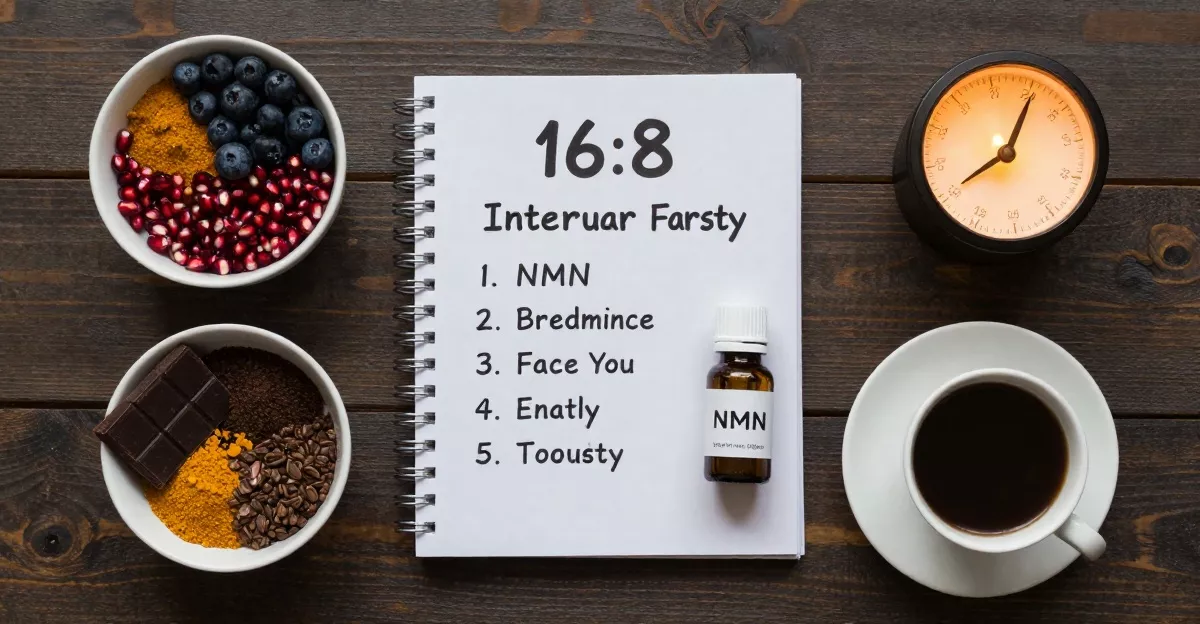
- Autophagy meaningful activation begins at approximately 16-18 hours of fasting - making a 16:8 protocol the practical threshold for significant cellular cleanup
The Longevity Nutrient Stack
Protein - the most underappreciated longevity nutrient after age 40:
Sarcopenia (age-related muscle loss) begins at approximately 3-8% per decade after 30 and accelerates dramatically after 60. Adequate protein intake is the primary nutritional defense. Dr. Gabrielle Lyon's research recommends 1.6-2.2g of protein per kg of body weight for adults over 40 - significantly higher than conventional recommendations - with emphasis on leucine-rich sources for maximal muscle protein synthesis signaling.
Longevity-specific foods with strongest evidence:
- Extra virgin olive oil: Rich in oleocanthal (anti-inflammatory comparable to ibuprofen), oleic acid, and polyphenols. Associated with 23% lower all-cause mortality in Mediterranean populations.
- Legumes: Associated with longevity in every Blue Zone. Rich in fiber (prebiotic), plant protein, resistant starch (gut microbiome fuel), and polyphenols.
- Dark leafy greens: Highest nutrient density per calorie of any food category. Rich in folate, Vitamin K, lutein, zeaxanthin, and nitrates (which increase nitric oxide and vascular function).
- Fermented foods: Kimchi, yogurt, kefir, idli, dosa, and kanji - support the gut microbiome, the dysbiosis hallmark of aging.
4. Exercise as Medicine: The Most Powerful Anti-Aging Tool Available

If exercise could be packaged into a pill, it would be the most prescribed medication in human history - and no pharmaceutical company would be able to patent it.
Why Exercise Is the Closest Thing to a Longevity Drug?
The mortality data on physical fitness is among the most compelling in all of medicine. A landmark study of 122,000 patients cited extensively by Peter Attia found:
- Moving from the lowest VO2 max quintile to the second-lowest alone produced a 50% reduction in mortality over a decade
- Moving from low to elite fitness produced a 500% difference in mortality risk over the same period
- This differential exceeds the mortality impact of smoking, type 2 diabetes, hypertension, and coronary artery disease - combined
The implications are extraordinary: cardiovascular fitness is a stronger predictor of survival than virtually any other measurable health variable. And unlike genetics, it is almost entirely modifiable.
Exercise addresses every single hallmark of aging simultaneously:
- Reduces genomic instability through antioxidant enzyme upregulation
- Preserves telomere length
- Reverses epigenetic aging markers
- Stimulates autophagy and proteostasis
- Activates mitochondrial biogenesis
- Clears senescent cells via immune activation
- Reduces inflammaging through anti-inflammatory cytokine production
The Four Pillars of Longevity Exercise
Pillar 1 - Zone 2 Cardio (Metabolic Foundation):
Zone 2 training - sustained aerobic effort at a pace where you can hold a full conversation but would struggle to sing - is the primary stimulus for mitochondrial biogenesis and metabolic efficiency. It trains the body to oxidize fat as primary fuel, improves insulin sensitivity, and builds the aerobic base upon which all other fitness is built.
Target: 150-180 minutes per week across 3-4 sessions. Examples: brisk walking (for beginners), light jogging, cycling, swimming at conversational pace.
Pillar 2 - VO2 Max Training (Longevity Ceiling):
High-intensity interval training specifically targeting VO2 max improvement - the 4x4 Norwegian protocol: 4 minutes at maximal sustainable effort, 3 minutes recovery, repeated 4 times. Once per week produces significant VO2 max improvement over 8-12 weeks.
VO2 max declines approximately 10% per decade after 30 without intervention - and 10-15% per decade with minimal activity. Targeted training can not only slow this decline but reverse it by 10-20 years of functional age.
Pillar 3 - Strength Training (Structural Longevity):
Muscle mass is one of the strongest independent predictors of longevity in older adults. Grip strength - a proxy for overall muscle strength - predicts all-cause mortality, cardiovascular disease risk, and cognitive decline with remarkable accuracy across decades of longitudinal research.
Minimum effective dose for longevity: 2-3 sessions per week of progressive resistance training covering all major muscle groups. For adults over 50: compound movements (squat, hip hinge, push, pull, carry) take priority over isolation exercises.
Pillar 4 - Mobility and Stability (Functional Independence):
The ability to get up from the floor without using hands - tested in the Sitting-Rising Test (SRT) - is an astonishingly powerful mortality predictor: each point lost on the 10-point scale was associated with a 21% increase in mortality in a 2012 study of 2,002 adults aged 51-80. Daily mobility work - yoga, stretching, balance training - preserves the functional independence that defines quality of life in later decades.
5. Cognitive Decline Prevention: Keeping Your Brain Young
The Alzheimer's and Dementia Epidemic
Dementia is the defining chronic disease challenge of the 21st century. Global dementia prevalence is projected to triple by 2050 - from approximately 55 million currently to over 150 million. In India, current estimates suggest 8.8 million people live with dementia, with the number expected to double by 2035 as the population ages.
The Lancet Commission on Dementia Prevention (most recent 2024 update) identified 14 modifiable risk factors that collectively account for approximately 45% of all dementia cases - meaning nearly half of all dementia is potentially preventable through lifestyle modification:
High-impact modifiable factors include:
- Education level (cognitive reserve - the most powerful early life factor)
- Physical inactivity - one of the largest attributable risk factors across all age groups
- Hearing loss - among the most underappreciated dementia risk factors; untreated hearing loss is associated with 2x dementia risk
- Social isolation - loneliness rivals smoking as a dementia risk factor
- Sleep deprivation - via glymphatic amyloid accumulation (see Sleep Pillar Page)
- Hypertension, obesity, diabetes, smoking, depression, alcohol - classic metabolic and lifestyle risk factors
The FINGER Protocol: The Most Evidence-Based Dementia Prevention
The Finnish Geriatric Intervention Study to Prevent Cognitive Impairment and Disability (FINGER) - conducted across 1,259 adults aged 60-77 at elevated dementia risk - was the first randomized controlled trial to demonstrate that a multidomain lifestyle intervention can prevent cognitive decline.
The intervention combined four domains simultaneously:
- Dietary guidance: Nordic diet - rich in vegetables, fish, whole grains, berries, legumes
- Physical activity: Aerobic and strength training protocol, progressively increasing over 2 years
- Cognitive training: Computer-based training targeting memory, executive function, and processing speed
- Vascular and metabolic risk factor monitoring: Blood pressure, cholesterol, blood glucose - actively managed
Results: The intervention group showed 25% overall cognitive improvement compared to the control group, with significant benefits across executive function, processing speed, and complex memory tasks. Benefits were observed regardless of genetic risk (including APOE ε4 carriers - the highest genetic risk allele for Alzheimer's).
The WORLD-WIDE FINGERS network now replicates and adapts this protocol across 60+ countries. For Indian implementation:
- Replace Nordic diet with traditional Indian plant-forward eating (dal, vegetables, whole grains, spices)
- Walking programs adapted to Indian climate (early morning, indoor alternatives for summer)
- Accessible cognitive training: learning a new language, musical instrument, or complex skill
Brain-Building Practices: Neuroplasticity Across a Lifetime
Cognitive reserve - the brain's resilience to damage before symptoms emerge - is built across a lifetime through intellectually demanding activity. Autopsies of individuals who showed no cognitive symptoms during life regularly reveal significant Alzheimer's pathology - their cognitive reserve allowed them to compensate. Building reserve is the most powerful lifelong dementia prevention strategy.
Evidence-based cognitive reserve builders:
- Novel learning: Learning a new skill (language, instrument, craft) creates new dendritic connections - the brain equivalent of building new roads
- Bilingualism: Multiple studies show bilingual individuals develop dementia symptoms 4-5 years later than monolingual peers of equivalent education and cognitive baseline
- Musical training: Instrumental training produces measurable structural changes in the corpus callosum, auditory cortex, and prefrontal cortex - even when started in middle age
- Social engagement: Socially active older adults show 70% less cognitive decline than isolated counterparts across longitudinal studies
6. Cellular Health & Longevity Protocols: The Science of Anti-Aging
Autophagy: The Cellular Self-Cleaning Process
Autophagy - from the Greek auto (self) and phagein (eat) - is the cellular housekeeping process by which the cell identifies, dismantles, and recycles damaged proteins, dysfunctional organelles, and cellular debris. It is the biological equivalent of a factory pausing production to repair and replace worn-out machinery.
Yoshinori Ohsumi's discovery of the molecular mechanisms of autophagy earned him the 2016 Nobel Prize in Physiology or Medicine and established autophagy as one of the most critical processes in cellular longevity. When autophagy is disabled - the 2023 Hallmarks paper explicitly adds "disabled macroautophagy" as a hallmark of aging - damaged cellular components accumulate, accelerating every other aging process.
The mTOR-AMPK-autophagy axis:
- mTOR (high) → autophagy suppressed → cellular growth mode (appropriate for youth and recovery)
- AMPK (high) / mTOR (low) → autophagy activated → cellular repair and recycling mode
Activating this repair mode deliberately:
- Fasting: The most potent autophagy activator. Meaningful activation begins at 14-16 hours of fasting; peak activation at 24-48 hours.
- Exercise: Vigorous exercise activates autophagy in muscle, liver, and brain cells - independent of fasting
- Coffee: Surprisingly, black coffee (even decaffeinated) activates autophagy through AMPK stimulation
- Spermidine: A naturally occurring polyamine found in wheat germ, fermented foods, and aged cheese - one of the most studied autophagy-activating compounds in longevity research
NAD+ and the Sirtuin Pathway
NAD+ (nicotinamide adenine dinucleotide) is a coenzyme present in every cell, essential for:
- Mitochondrial energy production (electron transport chain)
- DNA repair via PARP enzyme activation
- Sirtuin activation - the family of longevity-regulating proteins that David Sinclair has dedicated his career to studying
Sirtuins (SIRT1-7) are NAD+-dependent enzymes that regulate gene expression, stress response, inflammation, mitochondrial biogenesis, and metabolic efficiency. They are often called longevity genes because their activation extends lifespan across multiple model organisms.
The problem: NAD+ levels decline by approximately 50% between ages 40 and 60 - directly reducing sirtuin activity and driving mitochondrial dysfunction, impaired DNA repair, and metabolic deterioration.
NMN vs NR - the supplement debate:
Both NMN (nicotinamide mononucleotide) and NR (nicotinamide riboside) are NAD+ precursors that raise cellular NAD+ levels in human clinical trials. The current evidence:
- Both NMN and NR measurably raise blood NAD+ levels
- NMN has a direct transporter (Slc12a8) for intestinal absorption identified in mice; human evidence of this pathway is emerging
- A 2023 clinical trial found NMN supplementation improved muscle insulin sensitivity in postmenopausal women
- NR has a longer human clinical trial record - multiple studies confirming NAD+ elevation and preliminary metabolic benefits
- Both are safe at studied doses; long-term clinical outcome data (mortality, disease prevention) in humans remains limited
Lifestyle NAD+ support: Exercise, fasting, and heat exposure all stimulate NAD+ production. A 2018 study found sauna use significantly elevated NAD+ levels - a free, accessible intervention with multiple longevity mechanisms.
Hormesis: The Stress-Longevity Paradox
Hormesis is one of the most important and most counterintuitive principles in longevity science: mild, intermittent biological stress makes the organism more resilient and longer-lived, while the absence of stress (excessive comfort) accelerates aging.
The dose-response relationship is J-shaped: a small dose of a stressor is beneficial; a large dose is harmful. The beneficial response involves upregulation of repair, detoxification, and anti-inflammatory systems that then remain elevated - leaving the organism stronger than before the stress.
Hormetic stressors with longevity evidence:
- Exercise: The archetypal hormetic stress - mild tissue damage and metabolic stress during exercise triggers systemic adaptation
- Cold exposure: Activates brown adipose tissue, increases norepinephrine 300-500%, upregulates cold shock proteins and antioxidant enzymes
- Heat exposure (sauna): Activates heat shock proteins (HSPs) that repair misfolded proteins - one of the proteostasis hallmarks of aging. Sauna 4-7x/week reduces all-cause mortality by 40% in Laukkanen's Finnish cohort studies
- Intermittent fasting: Metabolic and cellular stress of caloric deprivation activates AMPK, autophagy, and stress resistance pathways
- Polyphenols: Xenohormesis - the hypothesis that the stress signals produced by plants under environmental stress (drought, pest pressure, UV radiation) are detected by animals that eat those plants, activating their own stress-response and longevity pathways. This is the mechanism behind resveratrol, curcumin, EGCG, and quercetin's beneficial effects.
Building your personal hormesis protocol:
- Daily: exercise (Zone 2 + strength), cold shower ending (30-90 seconds)
- Weekly: 1-2 sauna sessions (20 minutes at 80-100°C) or hot bath equivalent
- Monthly: 24-36 hour fast or Fasting Mimicking Diet protocol
- Daily nutrition: abundant dietary polyphenols through spices, vegetables, and tea
7. Anti-Aging Routines: Daily Practices That Compound Over Decades
The Longevity Morning Routine
The morning hours represent the highest-leverage period of the longevity day - multiple critical biological signals are established in the first 90 minutes of wakefulness:
5:45-6:00 AM - Waking and hydration:
Drink 500ml of water - overnight mild dehydration affects every cellular process. Add electrolytes (a pinch of Himalayan salt and lemon) if practicing intermittent fasting.
6:00-6:15 AM - Morning sunlight exposure:
10 minutes of outdoor light within 30 minutes of waking anchors circadian rhythm - the master regulatory system for every metabolic and hormonal process. Also initiates Vitamin D synthesis (requires 10-30 minutes of sun on arms and legs depending on skin tone and season).
6:15-6:20 AM - Cold exposure:
End morning shower with 60-90 seconds of cold water. Activates brown adipose tissue, produces sustained dopamine elevation, and initiates the hormetic cold stress response. Consistency over 8+ weeks produces measurable improvements in metabolic flexibility and immune resilience.
6:20-7:20 AM - Zone 2 exercise (fasted):
Fasted Zone 2 cardio - brisk walking, light jogging, or cycling at conversational pace - maximizes fat oxidation capacity and mitochondrial adaptation. 45-60 minutes, 3-4 times per week. On non-cardio mornings: 30-40 minutes of strength training (fed or fasted based on tolerance).
7:20-7:45 AM - High-protein breakfast:
25-40g of protein within 60 minutes of morning exercise for optimal muscle protein synthesis. Options: eggs with vegetables, Greek yogurt with nuts and seeds, paneer with vegetables, protein smoothie with whey or plant protein.
Skin Longevity: External Evidence of Internal Health
Skin aging is the most visible biomarker of internal aging - and its drivers are almost entirely preventable:
UV radiation accounts for approximately 80% of visible skin aging - a finding so robust it has its own term: photoaging. Daily broad-spectrum SPF 30-50 on all sun-exposed skin is the single most evidence-backed anti-aging intervention in dermatology - more effective than any topical treatment or supplement.
Retinoids - derivatives of Vitamin A - are the most thoroughly researched topical anti-aging compounds in existence. Prescription tretinoin and over-the-counter retinol both stimulate collagen synthesis, accelerate cellular turnover, and reverse UV-induced photoaging. A 1995 study in the Archives of Dermatology found topical tretinoin produced visible reversal of photoaging within 24 weeks.
Collagen synthesis support (from inside out):
- Vitamin C: Essential cofactor for collagen cross-linking - without it, proline cannot be converted to hydroxyproline, and collagen cannot form its triple helix structure. 500-1,000mg daily.
- Glycine: The most abundant amino acid in collagen - dietary sources (bone broth, gelatin) or supplementation (3-5g daily)
- Hydration: Skin turgor and elasticity depend directly on cellular hydration status
The Longevity Supplement Stack (Evidence-Based)
Tier 1 - Strong evidence, universal recommendation:
- Vitamin D3 + K2: Deficiency (affecting 70%+ of urban Indians) impairs immune function, bone density, muscle function, and cardiovascular health. Dose: 2,000-4,000 IU D3 with 100-200mcg K2-MK7 daily.
- Omega-3 (EPA + DHA): Anti-inflammatory, cardioprotective, neuroprotective, telomere-preserving. Dose: 2-4g combined EPA+DHA daily. Fish oil or algae-based (vegan).
- Magnesium glycinate: Required for 300+ enzymatic reactions including DNA repair, energy production, and sleep regulation. Dose: 300-400mg before bed.
Tier 2 - Good evidence, condition-specific:
- NMN or NR (500-1,000mg): NAD+ restoration - most relevant over age 40
- Creatine monohydrate (3-5g daily): Beyond muscle performance - emerging evidence for cognitive protection and cellular energy in aging adults
- Collagen peptides (10-15g daily): Skin, joint, and connective tissue support
Tier 3 - Emerging evidence, higher investment:
- Fisetin (100-500mg): Senolytic - reduces senescent cell burden
- Quercetin (500-1,000mg): Senolytic and anti-inflammatory - synergistic with fisetin
- Urolithin A (500mg): Mitophagy activator produced from ellagic acid (pomegranate) by gut bacteria - Amazentis' clinical trials show improved muscle function in aging adults
- Spermidine (1-2mg): Autophagy activator from wheat germ - clinical trials showing promising cognitive and cardiovascular outcomes
Stress, Purpose & Social Connection as Longevity Medicine
Ikigai (生き甲斐) - the Japanese concept of a reason for being, the intersection of what you love, what you're good at, what the world needs, and what you can be paid for - is directly associated with longevity in Okinawan population studies. Adults who report a strong sense of purpose have:
- 15% lower all-cause mortality (multiple prospective studies)
- Significantly lower cardiovascular disease risk
- Better sleep, lower inflammation, and higher social engagement
Elissa Epel's research at UCSF - conducted in collaboration with Elizabeth Blackburn - found that caregivers with high stress and low sense of control showed telomeres equivalent to 9-17 additional years of aging compared to low-stress counterparts. Chronic psychological stress is not metaphorically aging - it is literally aging at the cellular level.
Social connection is perhaps the most underappreciated longevity variable. The landmark Harvard Study of Adult Development - the world's longest running study of adult life, spanning 85+ years - found that the quality of social relationships was the single strongest predictor of healthy aging, more powerful than cholesterol levels, exercise habits, or any other measured variable. Loneliness is now classified by the US Surgeon General as a public health epidemic, with mortality risk comparable to smoking 15 cigarettes daily.
Practical social longevity medicine:
- Prioritize 1-2 deep, reciprocal friendships over large, shallow social networks
- Regular in-person contact (even once per week) is dramatically more beneficial than digital communication
- Volunteering and mentoring - contributing to others' wellbeing - is one of the most powerful purpose-activating practices available
- Multi-generational relationships: research consistently shows that older adults with meaningful connections to younger generations show slower cognitive and physical decline
8. Your Personal Longevity Blueprint: Testing, Tracking & Acting

Longevity without measurement is guesswork. The goal of longevity testing is not to produce anxiety - it is to identify your specific biological vulnerabilities early enough to intervene before they become disease, and to track whether your lifestyle choices are actually working.
Longevity Biomarkers: What to Test and How Often
The Essential Annual Panel - the minimum baseline for anyone over 35 serious about healthspan:
| BiomarkerWhat It MeasuresOptimal Range | ||
| HbA1c | 3-month average blood sugar / insulin resistance | Below 5.4% |
| Fasting insulin | Insulin resistance (earlier signal than HbA1c) | Below 8 mIU/L |
| ApoB | Atherogenic particle count (superior to LDL-C) | Below 80 mg/dL |
| Lp(a) | Genetic cardiovascular risk - test once | Below 50 mg/dL |
| hsCRP | Systemic inflammation (inflammaging marker) | Below 1.0 mg/L |
| Homocysteine | Cardiovascular and cognitive risk | Below 10 μmol/L |
| Vitamin D (25-OH) | Immune, bone, metabolic function | 50-80 ng/mL |
| Ferritin | Iron status and inflammation | 50-100 ng/mL (men) |
| Testosterone / DHEA-S | Hormonal aging markers | Age-appropriate optimal range |
| TSH + Free T3/T4 | Thyroid function - metabolic master regulator | TSH 1.0-2.5 mIU/L |
| Biomarker | ||
| HbA1c | 3-month average blood sugar / insulin resistance | Below 5.4% |
| Fasting insulin | Insulin resistance (earlier signal than HbA1c) | Below 8 mIU/L |
| ApoB | Atherogenic particle count (superior to LDL-C) | Below 80 mg/dL |
| Lp(a) | Genetic cardiovascular risk - test once | Below 50 mg/dL |
| hsCRP | Systemic inflammation (inflammaging marker) | Below 1.0 mg/L |
| Homocysteine | Cardiovascular and cognitive risk | Below 10 μmol/L |
| Vitamin D (25-OH) | Immune, bone, metabolic function | 50-80 ng/mL |
| Ferritin | Iron status and inflammation | 50-100 ng/mL (men) |
| Testosterone / DHEA-S | Hormonal aging markers | Age-appropriate optimal range |
Critical distinction: Standard laboratory reference ranges are calibrated to the average population - which is increasingly unwell. Optimal ranges (as above) reflect the levels associated with lowest disease risk in well-designed prospective studies - and are almost always narrower and more demanding than standard reference ranges.
Affordable longevity testing in India:
- Thyrocare: Comprehensive metabolic and cardiac panels starting at ₹1,500-3,000
- Redcliffe Labs: ApoB, hsCRP, homocysteine panels available in major cities
- Preventive health packages: Apollo, Fortis, and Max hospitals offer annual preventive panels at ₹5,000-15,000 covering most of the above
The 30-Day Longevity Quick Start Protocol
For anyone who has just finished this guide and is ready to begin immediately - here is the minimum viable protocol that activates the greatest number of longevity pathways in the shortest time:
Week 1 - Foundation:
- Fix your wake time and get morning sunlight daily
- Walk 45 minutes at conversational pace (Zone 2) every day
- Eat a high-protein breakfast within 1 hour of waking
- Remove ultra-processed food and sugar-sweetened beverages from your home
- Begin Vitamin D3 + K2 and Omega-3 supplementation
Week 2 - Structure:
- Add 2 strength training sessions
- Implement a 12-hour eating window (finish dinner 3 hours before bed)
- Add a cold shower ending daily
- Begin a daily 10-minute learning practice in a new domain (language app, musical instrument, reading a challenging book)
Week 3 - Depth:
- Extend eating window fast to 14-16 hours (skip breakfast or delay by 2 hours)
- Add one sauna or hot bath session per week
- Audit your social relationships - schedule one meaningful in-person connection per week
- Begin journaling: three things you're grateful for, one thing that gives you purpose
Week 4 - Personalization:
- Book your annual longevity blood panel
- Review the four exercise pillars - identify and address your weakest domain
- Assess sleep quality - implement the Sleep Pillar's circadian protocol if needed
- Design your permanent longevity daily ritual based on four weeks of experience
The Compounding Returns of Starting Early - and the Irrelevance of "Too Late"
The mathematics of longevity are simultaneously motivating and forgiving.
Every decade of healthy lifestyle practice produces compounding biological returns - a 40-year-old who begins a serious longevity practice today will, at 70, have a biological age measurably younger than a peer who begins at 55. The earlier the start, the greater the compounding.
But the research on later-life intervention is equally compelling: it is never too late to begin. Studies consistently show that individuals who begin regular exercise in their 60s and 70s gain measurable improvements in VO2 max, muscle mass, cognitive function, and mortality risk. A 70-year-old who becomes physically active reduces their mortality risk by 35% - the same proportional benefit observed in younger populations.
The biology of longevity is not a runway with a fixed departure time. It is a continuous investment - every day's deposit compounds, regardless of when you opened the account.
The single most impactful question this guide leaves you with is not "How long will I live?" It is: "How good will the last 30 years be?"
The answer is, to a degree that should both humble and excite you, largely up to you.