

Rethinking Nutrition: Fueling Biology, Not Just Calories
Most people think nutrition is about eating less and moving more. That's like saying a Formula 1 car just needs fuel - technically true, but catastrophically incomplete. Your body is a precision system, and what you feed it determines not just your weight, but your mood, your energy, your immunity, your focus, and ultimately, the quality of every single day you live.
This guide cuts through the noise of fad diets and contradictory headlines to give you the science-backed truth about nutrition, gut health, and how to build a sustainable eating strategy that actually works for your unique biology.
Deep Dive
To dive deeper into this topic, read our comprehensive guide: 10 Science-Backed Ways to Fibermaxx Your Diet for Gut Health and Satiety in 2026
1. What Is Nutrition, Really? (Beyond Calories and Diets)
Nutrition is one of the most misunderstood sciences in everyday life - hijacked by diet culture, food industry marketing, and social media misinformation.
Redefining Nutrition in the Modern Age
Nutrition is not merely the act of consuming calories. At its deepest level, food is biological information. Every bite you take sends molecular signals to your cells, influencing how your genes are expressed, how your hormones behave, and how efficiently your organs function.
The emerging field of nutrigenomics - the study of how nutrients interact with your DNA - has revealed that food can literally switch genes on and off. A landmark study published in Nature Reviews Genetics found that dietary components like folate, omega-3 fatty acids, and polyphenols directly modulate gene expression patterns associated with disease risk.
The practical implication: you are not just eating to fill your stomach. You are programming your biology, three times a day, every day.
Why Most People Are Nutritionally Confused
Despite more access to health information than ever, nutritional confusion is at an all-time high. Several forces drive this:
- Contradictory research headlines: "Coffee causes cancer" one week, "Coffee prevents Alzheimer's" the next - both technically drawing from real studies
- Ultra-processed food industry influence: The global processed food market spends over $13 billion annually on food marketing, much of it targeting health-conscious consumers with misleading labels
- The health halo trap: Products labelled "low-fat," "zero sugar," or "gluten-free" are automatically perceived as healthy - even when they're loaded with artificial additives, refined starches, or excess sodium
The solution isn't more information - it's better frameworks. That's exactly what this guide provides.
Key Global Nutrition Statistics
The scale of the problem is staggering:
- The WHO estimates that 2 billion people globally suffer from micronutrient deficiencies - the so-called "hidden hunger"
- Ultra-processed foods now account for over 50% of caloric intake in high-income countries - and are rapidly increasing in India and Southeast Asia
- Diet-related diseases including obesity, type 2 diabetes, and cardiovascular disease are now responsible for more deaths globally than any infectious disease
- In India specifically, the National Family Health Survey (NFHS-5) found that 57% of women and 25% of men are anaemic - a direct marker of iron and micronutrient deficiency
2. Macronutrients: The Foundation of Every Healthy Diet
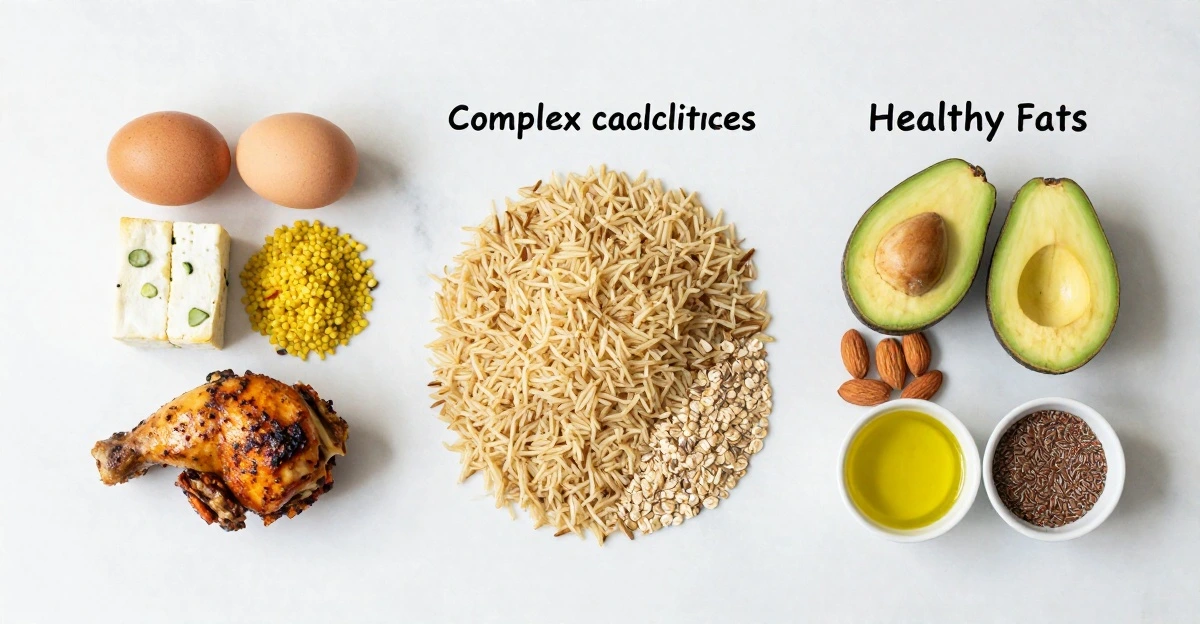
Macronutrients are the three primary categories of nutrients your body needs in large quantities: protein, carbohydrates, and fats. Getting these right is the cornerstone of any successful nutrition strategy.
Proteins: The Building Blocks of Life
Protein is responsible for building and repairing every tissue in your body - from muscle fibers and skin cells to enzymes, hormones, and antibodies.
- Complete proteins contain all 9 essential amino acids (eggs, chicken, fish, dairy, quinoa, soy)
- Incomplete proteins lack one or more essential amino acids (most plant sources) - but combining them strategically (rice + lentils, for example) creates a complete amino acid profile
- The RDA for protein is 0.8g per kg of body weight for sedentary adults, but research consistently shows that 1.2-2.0g per kg is optimal for active individuals, healthy ageing, and muscle maintenance
A 2022 meta-analysis in the British Journal of Sports Medicine confirmed that protein intakes of up to 1.62g per kg of body weight significantly improve muscle mass and strength when combined with resistance training.
Carbohydrates: Friend, Not Foe
Carbohydrates have been unfairly demonized. The truth is more nuanced:
- Simple carbohydrates (white sugar, refined flour, sugary drinks) spike blood sugar rapidly and crash energy
- Complex carbohydrates (oats, brown rice, sweet potato, lentils) release glucose slowly, providing sustained energy and feeding beneficial gut bacteria
- Dietary fibre - a form of carbohydrate - is arguably the most critical and most under-consumed nutrient in modern diets. The average Indian adult consumes just 15g of fibre daily against a recommended 30-38g
The Glycemic Index (GI) is a useful but incomplete tool. A better metric is Glycemic Load (GL), which accounts for portion size. Watermelon has a high GI but a low GL in normal serving sizes - meaning it doesn't spike blood sugar the way a bowl of white rice would.
Fats: Why Healthy Fats Are Non-Negotiable
The low-fat diet era of the 1980s and 90s is now widely regarded as one of the biggest public health mistakes in history. Replacing fat with refined carbohydrates drove the obesity and type 2 diabetes epidemic.
Here's the reality:
- Saturated fats (butter, coconut oil, red meat) - acceptable in moderation; not the villain they were once made out to be
- Unsaturated fats (olive oil, avocado, nuts, seeds) - actively cardioprotective and anti-inflammatory
- Trans fats (partially hydrogenated oils in packaged foods) - genuinely harmful; associated with cardiovascular disease, inflammation, and insulin resistance. Avoid entirely.
- The Omega-3 to Omega-6 ratio is critical. Modern diets skew heavily toward Omega-6 (found in vegetable oils), with ratios as high as 20:1 against the ideal 4:1 - creating a chronic pro-inflammatory state
How to Build Your Personal Macro Balance
Start with your TDEE (Total Daily Energy Expenditure) - the total calories your body burns in a day, accounting for activity level. Use an online TDEE calculator as your starting point.
General macro ratio guidelines:
- Weight loss: 40% protein, 30% carbs, 30% fat
- Maintenance: 30% protein, 40% carbs, 30% fat
- Muscle gain: 30% protein, 50% carbs, 20% fat
Example meal plan for a 70kg moderately active adult (2,000 kcal/day):
- Breakfast: 3 egg omelette with vegetables + 2 slices whole grain toast
- Lunch: Brown rice + dal + sabzi + small salad
- Snack: Greek yogurt + handful of mixed nuts
- Dinner: Grilled fish or tofu + roasted sweet potato + steamed greens
3. Micronutrients: The Hidden Drivers of Energy, Immunity & Mood
If macronutrients are the engine, micronutrients are the oil, coolant, and spark plugs. You can have the most macro-perfect diet and still feel terrible if your micronutrient status is poor.
Vitamins - Fat-Soluble vs Water-Soluble
Fat-soluble vitamins (A, D, E, K) are stored in body fat and require dietary fat for absorption:
- Vitamin A: vision, immune function, skin integrity - found in liver, egg yolk, carrots, spinach
- Vitamin D: bone health, immune modulation, mood regulation - synthesized via sunlight; deficient in over 70% of urban Indians who work indoors
- Vitamin E: powerful antioxidant - found in nuts, seeds, and vegetable oils
- Vitamin K2: directs calcium to bones (not arteries) - found in fermented foods and egg yolks; works synergistically with Vitamin D3
Water-soluble vitamins (B-complex and C) are not stored and must be consumed daily:
- B-complex vitamins are central to energy metabolism - converting food into ATP (cellular energy). B12, in particular, is critical for nerve function and red blood cell production
- Vitamin C supports immune function, iron absorption, and collagen synthesis - found abundantly in amla (Indian gooseberry), bell peppers, and citrus fruits
Essential Minerals Your Body Can't Ignore
- Iron: Essential for oxygen transport via haemoglobin. Deficiency causes fatigue, pale skin, and impaired concentration - most common deficiency in Indian women
- Magnesium: Involved in over 300 enzymatic reactions, including sleep regulation, muscle relaxation, and stress response. Studies suggest up to 75% of adults are magnesium-deficient
- Zinc: Critical for immunity, wound healing, and testosterone production - commonly deficient in vegetarian diets
- Calcium: Bone density, nerve signaling, and muscle contraction - best absorbed when paired with Vitamin D3 and K2
How Micronutrient Deficiencies Silently Wreck Your Health
This is where the real cost shows up - not in dramatic symptoms but in the slow erosion of daily function:
- Brain fog and fatigue: Often directly linked to low iron, B12, or Vitamin D - not stress or laziness
- Mood disorders: A 2020 study in The Lancet Psychiatry found a strong dose-dependent relationship between Vitamin D deficiency and depressive symptoms in adults
- Compromised immunity: Zinc and Vitamin C deficiencies impair both innate and adaptive immune responses
Case Study: A 29-year-old IT professional in Bangalore presented with chronic fatigue, poor concentration, and low motivation - symptoms commonly attributed to burnout. Blood tests revealed Vitamin D levels at 12 ng/mL (severely deficient; optimal is 50-80 ng/mL) and borderline B12 deficiency. After 12 weeks of targeted supplementation and dietary changes, her energy, mood, and cognitive performance measurably improved - no other lifestyle changes required.
4. Gut Health: Your Second Brain and the Root of Everything

No single area of nutrition science has exploded more dramatically in the past decade than gut health. What was once dismissed as digestive discomfort is now understood as a central pillar of whole-body wellness.
The Gut Microbiome Explained
Your gut houses approximately 100 trillion microorganisms - bacteria, fungi, viruses, and other microbes - collectively known as the gut microbiome. This community weighs roughly 1.5-2 kg and contains more genetic information than the entire human genome.
The microbiome performs essential functions:
- Synthesizes vitamins (B12, K2, short-chain fatty acids)
- Trains and regulates the immune system (70% of immune cells reside in gut-associated lymphoid tissue)
- Communicates with the brain via the gut-brain axis - a bidirectional highway involving the vagus nerve, neurotransmitters (90% of serotonin is produced in the gut), and immune signaling molecules
A diverse microbiome is a healthy microbiome. Research by Professor Tim Spector at King's College London showed that eating 30 different plant foods per week significantly increases microbial diversity - a metric directly correlated with lower rates of obesity, diabetes, anxiety, and autoimmune disease.
Signs Your Gut Health Is Compromised
Your gut communicates distress in multiple ways:
- Digestive signals: Bloating, constipation, diarrhoea, excessive gas, acid reflux
- Systemic signals: Chronic fatigue, brain fog, frequent infections, skin conditions (eczema, acne), food sensitivities
- Mood signals: Persistent low mood, anxiety, difficulty concentrating
Leaky gut syndrome (intestinal permeability) - where the gut lining becomes permeable, allowing partially digested food particles and bacterial toxins to enter the bloodstream - is an increasingly recognized driver of systemic inflammation. While still debated in mainstream medicine, research published in Gut (BMJ journal) has confirmed measurable increases in intestinal permeability in patients with IBS, IBD, and autoimmune conditions.
Key gut disruptors:
- Antibiotics (kill both harmful and beneficial bacteria indiscriminately)
- Chronic stress (reduces gut motility and alters microbiome composition)
- Ultra-processed foods and artificial sweeteners
- Chronic alcohol consumption
How to Build a Thriving Gut Microbiome
Probiotic-rich foods (introduce live beneficial bacteria):
- Yogurt (with live cultures), kefir, kimchi, sauerkraut, miso, idli, dosa, kanji
Prebiotic foods (feed your existing beneficial bacteria):
- Garlic, onions, leeks, oats, bananas, apples, flaxseeds, legumes
7-Day Gut Reset Plan:
- Day 1-2: Eliminate ultra-processed foods, alcohol, refined sugar
- Day 3-4: Add one fermented food per day (yogurt at breakfast, kimchi/pickle at dinner)
- Day 5-6: Increase prebiotic fibre - add garlic to cooking, oats for breakfast, apple as snack
- Day 7: Introduce a high-quality probiotic supplement (10 billion CFU, multi-strain)
- Ongoing: Track digestion, energy, and mood in a simple daily note
5. Intermittent Fasting: Science, Benefits & How to Do It Right

Intermittent fasting (IF) is not a diet - it's an eating pattern. And the science behind it is among the most compelling in modern nutritional research.
What Is Intermittent Fasting (IF)?
IF cycles between periods of eating and deliberate fasting. The three most studied protocols are:
- 16:8 - Fast for 16 hours, eat within an 8-hour window (e.g., 12 PM to 8 PM). Most popular and sustainable for beginners.
- 5:2 - Eat normally five days a week; restrict to 500-600 calories on two non-consecutive days
- OMAD (One Meal A Day) - Eat once per day within a 1-hour window. Aggressive and not recommended for beginners.
IF is not suitable for: pregnant or breastfeeding women, individuals with a history of eating disorders, people with Type 1 diabetes, or those underweight.
The Science Behind Intermittent Fasting
The benefits of fasting extend far beyond caloric restriction:
Autophagy - from the Greek for "self-eating" - is the cellular self-cleaning process triggered during fasting states. Damaged proteins and dysfunctional cell components are broken down and recycled. Japanese scientist Yoshinori Ohsumi was awarded the 2016 Nobel Prize in Physiology or Medicine specifically for his discoveries around autophagy mechanisms - bringing fasting science firmly into mainstream research.
Additional evidence-based benefits:
- Insulin sensitivity: Fasting periods lower circulating insulin, improving the body's ability to manage blood sugar - particularly beneficial for pre-diabetic and insulin-resistant individuals
- Fat oxidation: With glycogen stores depleted, the body shifts to burning stored fat for fuel
- Neuroplasticity: A review in Nature Reviews Neuroscience found that intermittent fasting increases BDNF (brain-derived neurotrophic factor) - supporting learning, memory, and mood
Step-by-Step Beginner's IF Protocol
Week 1-2: Gradual transition
- Begin with a 12-hour fast (e.g., finish dinner by 8 PM, don't eat until 8 AM)
- Progressively extend to 14 hours, then 16 hours over two weeks
What breaks a fast:
- Breaks a fast: calories from any source, milk in coffee, fruit juice
- Does NOT break a fast: water, black coffee, plain green tea, electrolyte water (no sugar)
Managing challenges:
- Hunger peaks typically subside after 7-10 days as the body adapts
- Schedule eating windows to align with social meals and family dinners
- Prioritize protein and healthy fats in your first meal to maximize satiety
Case Study: Arjun, a 32-year-old software engineer in Hyderabad, started 16:8 fasting after years of struggling with mid-afternoon energy crashes and gradual weight gain despite "eating healthy." After 30 days: lost 3.2 kg, reported significantly steadier energy throughout the day, eliminated his afternoon coffee dependency, and described sharper mental clarity during his fasting hours.
6. Supplements for Energy, Immunity & Performance
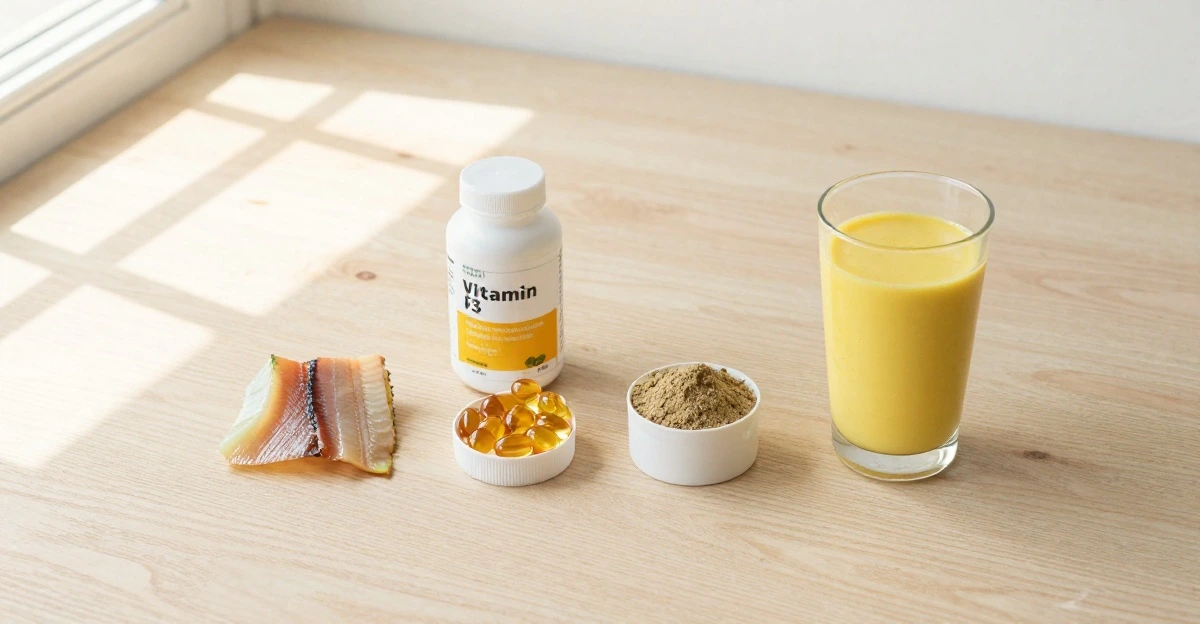
The global supplement industry is worth over $170 billion - and a significant portion of that money is wasted on products that range from marginally effective to outright misleading.
Do You Actually Need Supplements?
The honest answer: a well-designed whole-food diet provides the majority of what most healthy people need. However, modern life creates genuine gaps:
- Year-round indoor work (Vitamin D)
- Depleted soil quality reducing food's mineral content (magnesium, zinc)
- Vegetarian and vegan diets (B12, omega-3, iron, zinc)
- High-stress lifestyles that deplete magnesium, B vitamins, and Vitamin C faster
When choosing supplements, prioritize:
- Third-party tested brands (NSF, Informed Sport, USP certification)
- Bioavailable forms - magnesium glycinate over magnesium oxide; methylcobalamin B12 over cyanocobalamin
- Food first, supplement second - always
The Core Stack: Evidence-Based Supplements
These are the supplements with the strongest evidence base and the widest applicability:
- Vitamin D3 + K2: D3 raises blood calcium; K2 directs it to bones, not arteries. Take 2,000-4,000 IU D3 with 100-200mcg K2 MK-7 daily, ideally with a fatty meal
- Magnesium glycinate: Supports sleep quality, stress response, and muscle recovery. 300-400mg before bed
- Omega-3 (EPA/DHA): Reduces systemic inflammation, supports brain function and cardiovascular health. Aim for 1-2g combined EPA+DHA daily. Choose triglyceride-form fish oil or algae-based omega-3 for vegans
- Probiotics: Look for multi-strain formulas with Lactobacillus and Bifidobacterium genera, minimum 10 billion CFU, with third-party verified viability
Performance and Energy Supplements
Beyond the core stack, these have meaningful evidence:
- Creatine monohydrate: The most researched ergogenic aid in sports science. Benefits extend beyond gym performance - a 2022 study in Experimental Gerontology found creatine supplementation improves cognitive performance, particularly under sleep deprivation. 3-5g daily, no loading required.
- Ashwagandha (KSM-66 extract): An adaptogen with robust clinical evidence for reducing cortisol by up to 30%, improving sleep quality, and enhancing physical endurance. 300-600mg daily.
- Vitamin B12: Essential for vegans and vegetarians; sublingual methylcobalamin absorbs better than standard tablets
- What to avoid: Detox teas, most proprietary "fat burner" blends, collagen supplements (inadequate evidence for skin benefits when taken orally), and anything promising dramatic results in short timeframes
7. Healthy Eating Basics: Building Sustainable Dietary Habits

All the nutritional science in the world is irrelevant if it can't be practically applied in a real, busy life with real food available in a real kitchen.
The Plate Model - A Practical Visual Framework
The Harvard Healthy Eating Plate (an evidence-based improvement on the USDA MyPlate) recommends:
- ½ the plate: Vegetables and fruits (prioritize vegetables, minimize potatoes)
- ¼ the plate: Whole grains (brown rice, whole wheat roti, oats, millets)
- ¼ the plate: Healthy protein (dal, paneer, eggs, fish, chicken, legumes)
- On the side: Healthy oils (mustard oil, ghee in moderation, olive oil), water, and limited dairy
Colour diversity as a nutrition shortcut: Each colour in vegetables and fruits represents distinct phytonutrients and antioxidants. Aim for at least 5 different colours on your plate across the day - not just green.
Meal Planning & Prep for Busy Lifestyles
Consistency in nutrition doesn't require cooking every meal from scratch. Strategic preparation makes healthy eating the default, not the exception:
- Batch cook on Sunday: Prepare a pot of brown rice or millets, a large dal, and roasted vegetables - forming the base for 4-5 weekday meals
- Smart grocery principles: Shop the perimeter of the supermarket (whole foods: produce, proteins, dairy); avoid the centre aisles where ultra-processed products dominate
- Budget-friendly whole food swaps: Replace packaged snacks with roasted chana, replace sugary breakfast cereals with overnight oats, replace soft drinks with nimbu pani or kokum sharbat
Mindful Eating - The Psychology of Food
Research from the Center for Mindful Eating shows that eating speed alone significantly impacts caloric intake and satiety. Eating slowly (20+ chews per bite) gives the gut-brain axis time to register fullness - a signal that takes approximately 20 minutes from the start of eating to register in the brain.
Practical mindful eating steps:
- Eat without screens - no phone, no TV
- Serve a measured portion rather than eating from the pot or packet
- Pause midway through the meal and assess hunger on a 1-10 scale
- Stop at 80% fullness - the Okinawan principle of hara hachi bu
Reading Food Labels Like a Nutritionist
The ingredients list is always more informative than the nutrition panel:
- Ingredients are listed in descending order by weight - the first three ingredients define the product
- Hidden sugar aliases: sucrose, dextrose, maltose, corn syrup, fruit juice concentrate, evaporated cane juice - all are sugar
- Sodium red flag: More than 600mg per 100g is high-sodium
- Real-world example: Two popular "healthy" breakfast biscuits both claim to be high in fibre. Product A has whole wheat as ingredient #1; Product B has refined flour as #1 with added bran. Product A is genuinely superior despite similar packaging claims.
8. Creating Your Personal Nutrition Blueprint
No diet works for everyone. The most important nutritional insight of the 21st century is bio-individuality - the recognition that genetic makeup, gut microbiome composition, lifestyle, and cultural food patterns all influence how your body responds to specific foods.
Bio-Individuality - Why One Diet Doesn't Fit All
A groundbreaking 2015 study from the Weizmann Institute of Science (published in Cell) tracked blood sugar responses to identical meals in 800 people and found wildly different glycemic responses - even to the same foods. White bread spiked blood sugar dramatically in some participants and barely affected others. The determining factor? Individual gut microbiome composition.
This is why:
- Your friend lost 10 kg on keto while you felt exhausted and foggy
- Mediterranean diet works brilliantly for some populations but less optimally for others
- Traditional Indian diets - rich in spices, fermented foods, and diverse plant ingredients - may actually be optimally suited for Indian gut microbiomes that have evolved alongside them for generations
How to Design Your Own Sustainable Eating Plan
5-Step Personal Nutrition Blueprint:
- Identify your primary goal: Weight loss? Energy optimization? Gut healing? Athletic performance? Each requires a different macronutrient and food focus.
- Audit your current diet: Keep a 3-day food diary (two weekdays + one weekend day). Note what, when, and how much you eat - and crucially, how you feel 1-2 hours after each meal.
- Apply your macro and micronutrient targets: Using your TDEE and health goal, set daily protein, carbohydrate, fat, and key micronutrient targets (Vitamin D, iron, B12, magnesium based on your food diary gaps).
- Build in gut-health foods and hydration goals: Minimum 30 plant foods per week, one fermented food daily, 2.5-3 litres of water daily.
- Review and iterate every 4 weeks: Reassess energy, digestion, body composition, mood, and sleep. Adjust based on real feedback from your body - not social media trends.
When to Consult a Registered Dietitian
Self-directed nutrition works for many people. But professional guidance is essential when:
- You have a diagnosed condition (PCOS, thyroid disorders, IBS, diabetes, kidney disease)
- You're experiencing unexplained weight gain or loss despite dietary changes
- You have a history of disordered eating
- You're pregnant, breastfeeding, or managing a child's nutrition
- Self-directed strategies have consistently failed over 3+ months
In India, look for a Registered Dietitian (RD) or Certified Nutritionist registered with the Indian Dietetic Association (IDA). Online consultations via platforms like Practo, HealthifyMe, or Nourish offer accessible, affordable options for most cities.
Final Thoughts: Nutrition Is a Lifelong Practice
There is no perfect diet. There is only the best diet for you, right now, given your goals, biology, and life circumstances - and it will evolve as you do. The science of nutrition is not a rulebook to follow rigidly; it's a framework to understand your body more deeply.
Start with one change this week. Add a fermented food to your meals. Swap your afternoon biscuits for a handful of mixed seeds and fruit. Drink one extra glass of water. Each small shift compounds into a fundamentally different relationship with food - and with your health.
Your body is extraordinarily intelligent. Feed it well, and it will show you what it's capable of.