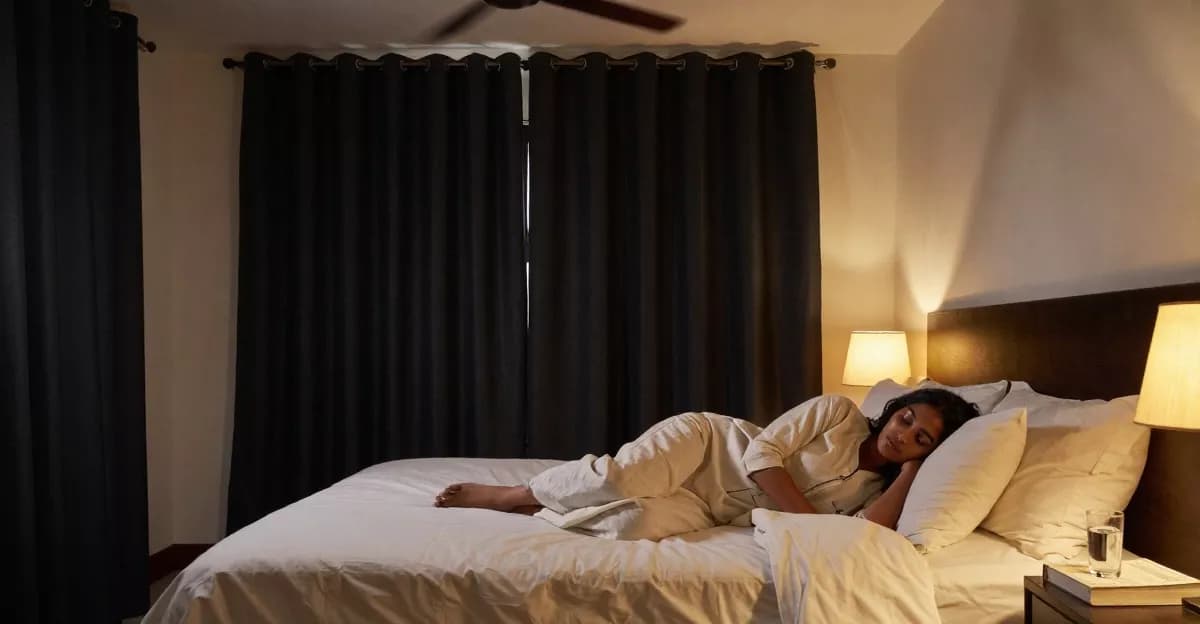

The concept of health stacking is garnering attention as a transformative approach to improving sleep in 2026. In today’s fast-paced world, where one in three U.S. adults effectsively suffer from inadequate sleep, this technique offers a holistic path to a better night’s rest. Health stacking involves layering small, manageable habits to create significant improvements in sleep patterns and overall health.
Health stacking builds upon the principle that minimal changes, when combined, can produce substantial effects. Imagine starting with just five extra minutes of sleep, coupled with two additional minutes of activity and a half serving of vegetables daily. Individually, these tweaks add value, but when combined, they can drastically extend lifespan and enhance life quality. This integration exemplifies how small improvements in sleep, diet, and physical movement intertwine for amplified benefits.
The Science Behind Health Stacking
As we unravel health stacking, its foundation lies within our natural body rhythms and environmental controls. Central to this idea is understanding our circadian rhythm, which dictates our sleep-wake cycles. Aligning our routines with our circadian clocks facilitates better melatonin production, which is crucial for sleep induction. Consistent exposure to morning light helps to calibrate our body clocks, ultimately leading to improved nighttime rest.
Equally essential in this stack is light control. Regulating light exposure, especially reducing blue light from screens an hour before bedtime, supports melatonin release. This hormone prompts the body to transition into a restful state. Researchers have found that participants using suvorexant, a sleep medication, experienced alterations in their feelings of fatigue and cognitive alertness, demonstrating how external factors like light influence sleep cycles.
Moreover, supplementing with magnesium L-threonate can cross the blood-brain barrier, improving sleep quality by easing transitions into restful phases. Recommendations suggest 200-400 mg 30-60 minutes before bedtime enhances both sleep quality and cognitive function.
Deep Dive
To dive deeper into this topic, read our comprehensive guide: The Ultimate Sleep Guide: Optimizing Sleep Hygiene & Circadian Rhythm
Implementing Sleep Stacking Techniques
In practice, sleep stacking involves several actionable steps. Firstly, establishing a consistent bedtime is paramount. Sleep experts emphasize that fixed sleep and wake times, even on weekends, engrain a natural rhythm. This regularity strengthens the body's internal clock far more than the mere duration of sleep itself.
Journaling before bed is another stackable habit with multiple benefits. It serves as a mental declutter tool, reducing anxiety and promoting relaxation. Reflecting on the day allows the mind to offload stress, thus paving the way for restorative sleep.
A critical yet often overlooked element is a digital detox. With the rise of AI wearables monitoring our every move, stepping back from screens in the evening aids in recalming the nervous system, allowing natural sleep hormones to function unimpeded.
Practical Application of Health Stacking
Adopting health stacking requires mindfulness and patience, but the rewards are profound. Start by incorporating these strategies into your daily routine:
Before you know it, the combination of these actions builds a reliable, restful sleep environment. Consistent application yields noticeable improvements in mood, productivity, and overall health resilience.
Why Is This Trend Catching On?
Health stacking for sleep fits seamlessly into broader wellness trends. People are increasingly attuned to optimizing every aspect of their lives, from diet to exercise, in pursuit of longevity and health. The sleep industry recognizes this, evidenced by the rise of personalized sleep technology, which provides meaningful feedback on sleep patterns.
Sleep retreats are another manifestation, offering environments free from everyday stressors to reset and focus solely on sleep optimization. This reflects a growing demand for structural and environmental facilitation in sleep wellness.
The market’s interest in sleep optimization shows no sign of abating. As we move into 2026, these practices are likely to expand, innovating around technology and biologically aligned methods to promote health advancement.
FAQs
What is health stacking for better sleep? Health stacking involves layering minor habits such as consistent sleep schedules, diet improvements, and light exposure to enhance sleep quality and overall wellness.
How does light control improve sleep in health stacking? Managing light exposure, particularly reducing blue light before bed, supports natural melatonin release, vital for initiating sleep.
Why is consistent timing important for sleep? Maintaining the same sleep and wake times daily reinforces your circadian rhythm, improving sleep quality even more than extending sleep duration.
How do AI wearables personalize sleep in 2026? AI wearables offer real-time feedback on sleep patterns and suggest personalized adjustments to optimize rest and recovery.
What is orthosomnia and why avoid it? Orthosomnia is an obsession with perfecting sleep metrics from wearables, which can ironically lead to increased anxiety and poorer sleep quality.