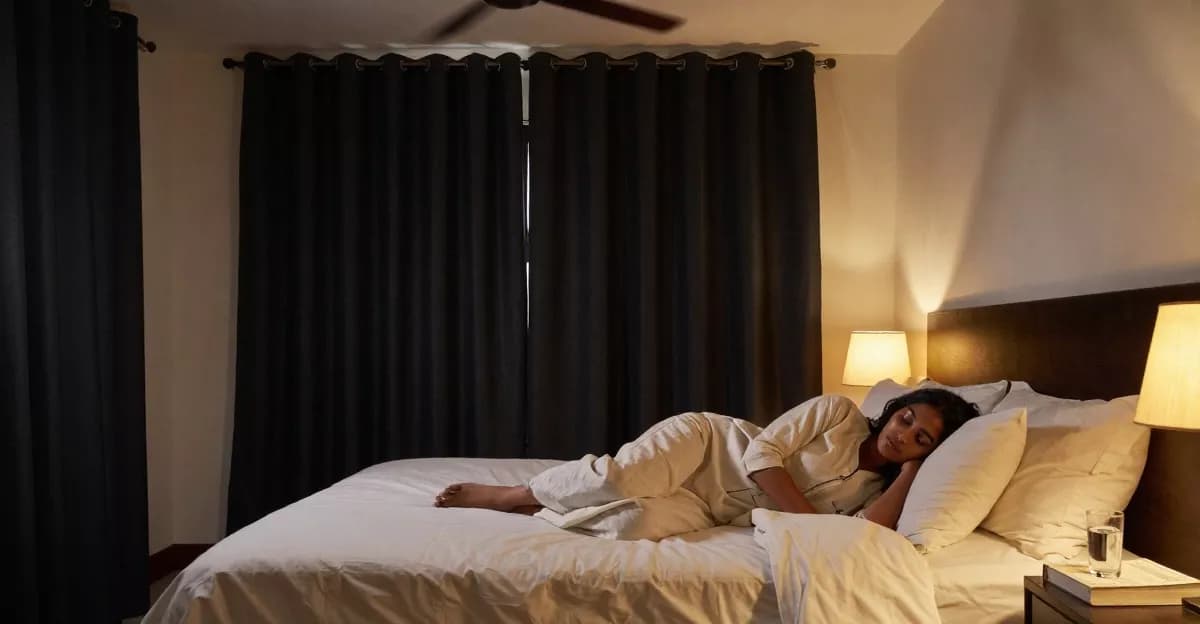
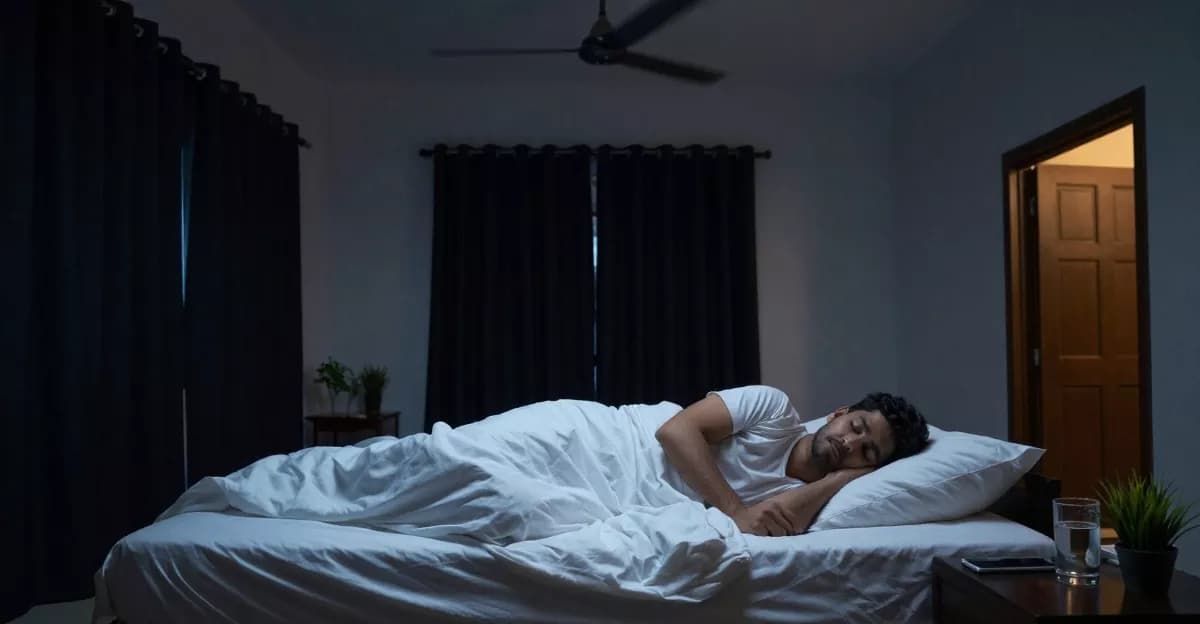
There is a performance enhancement tool that is completely free, universally accessible, requires no equipment, carries no side effects when used correctly, and consistently outperforms every supplement, biohack, and training optimization combined. Elite athletes have access to it. So does every person reading this right now.
It is sleep. And the majority of people are using it wrong.
Not wrong in the way of a technique flaw that can be corrected in a single session. Wrong in a deeper, more consequential way - treating sleep as the passive background process that fills the hours when you are not being productive, rather than recognizing it for what the science has made unmistakably clear: sleep is the most active repair, restoration, and optimization process your biology performs. The gym session, the meal plan, the meditation practice, the supplements - all of these interventions build their effects on the foundation of sleep quality. Without that foundation, they are building on sand.
This is the comprehensive guide. Not just the sleep hygiene checklist - but the biology that makes the checklist make sense, the psychology of rest that most guides ignore, and the specific evidence-based protocols for physical recovery that separate adequate sleep from genuinely optimized recovery.
Part One: What Sleep Is Actually Doing
Before any protocol makes sense, the biology needs to be understood. Because when you truly understand what is happening in your body between the moment you fall asleep and the moment your alarm sounds, the way you think about every hour in that window changes permanently.
Deep Dive
To dive deeper into this topic, read our comprehensive guide: The Ultimate Sleep Guide: Optimizing Sleep Hygiene & Circadian Rhythm
The Architecture of a Sleep Night
Sleep is not a uniform state of unconsciousness. It is an organized, cyclical process consisting of four distinct stages - three stages of Non-REM (NREM) sleep and one stage of REM (Rapid Eye Movement) sleep - cycling through the night in approximately 90-minute intervals. A full night of 7.5-9 hours contains approximately 5-6 complete cycles, and each cycle is not identical: early cycles are dominated by deep NREM sleep (Stage 3 - slow-wave sleep), while later cycles shift toward longer REM periods. This architecture matters profoundly because different biological repair processes are stage-specific.
Stage 1 NREM - the lightest sleep, the transition from wakefulness. Neural activity slows. Muscles relax. This stage lasts 1-5 minutes per cycle.
Stage 2 NREM - the most time-dominant stage, comprising approximately 50% of total sleep time. Characterized by sleep spindles (rapid bursts of neural oscillation at 12-15 Hz) that are now understood to play a critical role in memory consolidation - transferring information from short-term hippocampal storage to long-term cortical storage. The learning that happened during the day is being filed during Stage 2.
Stage 3 NREM - Slow-Wave Sleep (SWS): The deepest, most physically restorative sleep stage. Delta brain waves dominate - large, slow oscillations that represent the most synchronized neural activity in the sleeping brain. This is where the most critical physical repair occurs, and where the consequences of poor sleep are most dramatic.
REM Sleep: The brain is as electrically active as during wakefulness, but the body is paralyzed (atonia). Dreaming is most vivid here. REM sleep governs emotional memory processing, creative problem solving, emotional regulation, and the integration of new information with existing knowledge. It is the sleep stage most commonly suppressed by alcohol, sleep deprivation, and many sedatives - and the stage whose loss most dramatically impairs emotional health and cognitive flexibility.
The Growth Hormone Story: Why Every Hour Before Midnight Matters?

Perhaps the most consequential single fact in sleep science for anyone concerned with physical performance and recovery: approximately 70-80% of the body's daily growth hormone (GH) release occurs during the first 2-3 hours of sleep - specifically during the deep slow-wave sleep that concentrates in the early cycles of the night.
A landmark study from the University of California, Berkeley identified for the first time the specific neural circuitry governing this GH surge - confirming that the relationship between sleep and growth hormone release is not incidental but mechanistically hardwired. The research mapped a feedback loop between Growth Hormone Releasing Hormone (GHRH) and somatostatin - the biological accelerator and brake for GH production - showing precisely how deep sleep drives the hormonal cascade that governs muscle repair, bone maintenance, fat metabolism, and tissue regeneration.
The implication of this timing is profound: sleeping from 2 AM to 10 AM delivers a fundamentally different hormonal profile than sleeping from 10 PM to 6 AM - even if the total hours are identical. The GH-rich deep sleep that your body generates in its first 2-3 hours of rest is most abundant when sleep onset aligns with the natural circadian trough of cortisol - approximately 10-11 PM. Every hour of sleep delayed past this window reduces the total GH output of that night. The person who calls midnight a reasonable bedtime and compensates by sleeping late is not banking equivalent recovery time. They are simply collecting the less hormonally productive end of their sleep curve.
Part Two: The Cost of Getting It Wrong
Understanding sleep's value is only half of the equation. Understanding what specifically happens when you chronically underdeliver on it is the other half - and it is considerably more alarming than most people realize.
A comprehensive 2025 systematic review and meta-analysis published in Frontiers in Physiology on sleep deprivation and athletic performance analyzed data across multiple controlled trials and produced effect sizes that make for sobering reading:
- Aerobic endurance impaired by effect size −0.66 (a performance reduction equivalent to training in compromised physiological conditions)
- Explosive power reduced by −0.63 - measurable in every power-dependent sport
- Skill control impaired by −0.87 - the largest effect, most pronounced in sport-specific technical tasks
- Speed performance reduced by −0.52
- Rating of Perceived Exertion (RPE) significantly elevated - everything feels harder, at the same objective workload
These are not marginal performance differences. They represent the difference between peak performance and significantly compromised output in competition-relevant skills. Most critically, the review confirmed that sleep deprivation increases neuromuscular injury risk and delays recovery - creating a compounding deficit where poor sleep reduces both the quality of training and the rate of recovery from it.
Beyond sport: the downstream health consequences of chronic sleep insufficiency are no longer speculative. According to the American Academy of Sleep Medicine's public health guidelines, adults regularly sleeping fewer than 7 hours per night show measurably increased risk of obesity (31%), type 2 diabetes (37%), hypertension (45%), cardiovascular disease (39%), and all-cause mortality (12%) compared to adequate sleepers. The immune surveillance system is impaired - a single night of 4 hours sleep reduces natural killer cell activity by 70% in research studies. The amygdala's threat reactivity increases by 60% with sleep deprivation - driving the emotional reactivity, poor decision-making, and interpersonal difficulty that characterize overtired people.
Sleep debt is not metaphorical. It is a measurable physiological state with compounding costs.
Part Three: The Circadian System - Working With Your Biology, Not Against It
The circadian rhythm is the master timing system governing every biological process across the 24-hour cycle. It regulates not only when you feel sleepy and alert, but when every organ system performs optimally - liver detoxification, immune activity, hormone secretion, cell division, cardiac function, and metabolic efficiency all have circadian timing that evolved over hundreds of thousands of years in response to the predictable light-dark cycle of the natural world.
Modern life disrupts this system through three primary mechanisms:
- Artificial light at night - most critically blue-wavelength light from screens, which suppresses melatonin and signals the SCN (the master clock) that daylight is still present
- Inconsistent sleep timing - the social jetlag of sleeping and waking at different times on weekdays and weekends, which desynchronizes peripheral clocks in every organ from the master SCN clock
- Insufficient morning light - the absence of the bright morning sunlight that anchors and calibrates the circadian phase each day
The single most powerful circadian intervention - more effective than any supplement, sleep app, or sleep hygiene technique - is 10 minutes of outdoor morning light within 30 minutes of waking. This is not metaphysics. The photoreceptors in the retina that set circadian phase are maximally responsive to outdoor light intensity (10,000-100,000 lux) and essentially unresponsive to indoor lighting (typically 100-500 lux). The same light in your office that feels bright is, from the perspective of your circadian system, approximately 1% of the signal strength of stepping outside. Morning sunlight sets the phase of your melatonin onset approximately 12-14 hours later - directly determining when you feel genuinely sleepy at night.
The circadian anchor protocol:
- Fixed wake time - every day, including weekends (±30 minutes maximum)
- Outdoor morning light - within 30 minutes of waking, 10 minutes minimum, no sunglasses
- Dim lights after sunset - beginning the lighting transition the circadian system expects
- Screen management - reducing blue light exposure in the 90 minutes before bed
- Fixed sleep window - in bed within 30-45 minutes of the same time each night
Part Four: Sleep Architecture and Physical Recovery - The Stage-by-Stage Guide
Slow-Wave Sleep: The Physical Repair Stage
During Stage 3 NREM sleep, the pituitary gland releases the majority of nightly growth hormone - driving muscle protein synthesis, bone remodeling, tissue repair, and fat metabolism. Simultaneously, the glymphatic system - the brain's lymphatic equivalent - is most active during deep sleep, clearing the metabolic waste products that accumulate during waking neural activity, including amyloid-beta and tau proteins associated with neurodegeneration. Every hour of deep sleep you protect is simultaneously producing physical recovery and neurological maintenance.
For athletes and anyone engaged in regular physical training, the relationship between deep sleep and recovery is direct and non-negotiable. A 2025 PMC review on improving sleep quality to enhance athletic performance confirmed that deep sleep duration is the single most critical sleep variable for both muscular recovery and hormonal restoration - and identified that the most common reasons athletes fail to access adequate deep sleep are late meal timing, alcohol, high training loads without compensatory sleep extension, and evening screen use.
What maximizes deep sleep:
- Sleep onset before 11 PM - aligns with the circadian trough when deep sleep is most naturally abundant
- Consistent moderate to vigorous exercise - the most reliable pharmacological-strength stimulator of slow-wave sleep. The more physically demanding the day, the greater the homeostatic pressure for deep sleep in response
- Avoiding alcohol - even moderate alcohol consumption selectively suppresses slow-wave sleep in the first half of the night, when it is most concentrated. This is the primary mechanism by which alcohol, despite its sedative effect, produces unrestorative sleep
- Cool bedroom temperature (20-23°C) - core body temperature must drop to enter and sustain deep sleep
- No large meals within 3 hours of bed - the thermic effect of digestion elevates core temperature and activates metabolic processes incompatible with deep sleep
REM Sleep: The Mental Recovery Stage
REM sleep governs the processing of emotional memories, the neutralization of stress-encoded experiences, and the creative synthesis of new information with existing knowledge. It is the stage in which the emotional weight of difficult experiences is metabolized - a process that Matthew Walker, sleep neuroscientist and author of Why We Sleep, describes as "overnight therapy."
REM deprivation produces the most pronounced psychological consequences: increased emotional reactivity, reduced empathy, impaired emotional regulation, and - in sustained deprivation - symptoms that resemble those of clinical anxiety and depression. For anyone managing performance pressure, work stress, or significant life demands, protecting REM sleep is as much a mental health intervention as a cognitive one.
What maximizes REM sleep:
- Sleep duration of 8+ hours - REM cycles lengthen through the night and dominate the final third of sleep. Cutting sleep from 8 to 6 hours reduces REM disproportionately - by approximately 60-70%
- No alcohol - REM is the sleep stage most severely suppressed by alcohol, which rebounds in the second half of the night with increased fragmentation but does not restore the lost REM
- Consistent sleep schedule - REM is most strongly governed by the circadian clock's timing; irregular sleep scheduling disrupts REM disproportionately
Part Five: The Recovery Protocol - Practical Application
For the General Adult (Non-Athlete)
The foundational 7-habit protocol:
- Fixed wake time - the single highest-leverage sleep habit. Non-negotiable, including weekends
- Morning light - 10 minutes outdoors within 30 minutes of waking, year-round
- No caffeine after 1 PM - the 5-7 hour half-life makes afternoon caffeine a direct sleep onset disruptor
- 3-hour eating cutoff before bed - last meal at least 3 hours before target sleep time
- 90-minute light dimming - begin transitioning to warm, dim lighting 90 minutes before bed
- 20-minute cognitive offload - write tomorrow's task list in a physical journal 30-45 minutes before bed
- Bedroom as a sleep sanctuary - cool (20-23°C), dark (blackout curtains), quiet (pink noise if needed), screens absent
For Athletes and High-Output Individuals
Physical training creates additional sleep demands that require proactive management. As Linical's comprehensive review of sleep science in endurance athletes confirms, athletes require not just 7-9 hours but often 8-10 hours of total sleep time during heavy training blocks - with inadequate sleep shown to impair every dimension of athletic performance while simultaneously increasing injury risk.
The athlete sleep-recovery protocol additions:
- Sleep banking before competition - extend sleep to 9-10 hours per night for 2 weeks before major competition. Research confirms that banked sleep produces measurable performance improvements that cannot be achieved by single-night extension
- Strategic napping - 20-minute nap between 1-3 PM on high training load days. Never after 4 PM, never longer than 30 minutes
- Post-training nutrition timing - consume 30-40g protein within 90 minutes of training, ideally with casein protein before sleep (cottage cheese, Greek yogurt) - casein's slow digestion rate ensures sustained amino acid delivery during the overnight muscle protein synthesis window
- Cold exposure timing - cold water immersion on rest days or at least 4 hours post-strength training (immediate post-strength cold blunts the hypertrophic signaling that growth hormone amplifies during sleep)
- Recovery week sleep extension - during planned deload weeks, prioritize 9+ hours to clear accumulated sleep debt from heavy training phases
Supplementation: What Has Actual Evidence?
Sleep supplementation is a category dominated by marketing. The compounds with the most legitimate evidence for sleep quality improvement are:
Magnesium glycinate or threonate - magnesium deficiency is endemic in modern diets and directly impairs GABA receptor function, increasing hyperarousal. 300-400mg of magnesium glycinate 30-60 minutes before bed is among the most evidence-supported affordable sleep supplements, with research confirming reduced sleep onset time and improved sleep quality.
Ashwagandha (KSM-66, 300mg) - HPA axis adaptogen that reduces cortisol and improves both sleep onset and quality in multiple RCTs. Particularly effective for stress-driven sleep disruption.
L-Theanine (200mg) - amino acid found in green tea that increases alpha brain wave activity and reduces anxiety without sedation - facilitating the transition to sleep without morning grogginess. Often combined with magnesium for additive effects.
Melatonin (0.5-1mg) - most effective for circadian shifting (jet lag, shift work, delayed sleep phase) rather than sleep quality per se. Dramatically lower doses than commonly marketed (0.5mg, not 10mg) are more physiologically appropriate and avoid receptor desensitization.
Part Six: The Psychology of Rest - The Dimension Most Guides Miss
There is a layer of the sleep problem that protocols and supplements cannot touch - and it is worth naming directly because it is the layer that most frequently undermines people who intellectually understand everything above but still cannot execute it.
Sleep anxiety - the worry about not sleeping - is one of the most powerful perpetuators of insomnia. The brain's hyperarousal system, once conditioned to associate bed with wakefulness and frustration, treats the bedroom itself as a threat stimulus. The more you try to force sleep, the more you activate the exact neurological systems whose deactivation is a prerequisite for sleep onset. Effort is counterproductive. Sleep is one of the few biological processes that requires the absence of effortful control to function.
The cognitive reframe that breaks this cycle: your job in bed is not to sleep. Your job is to create the conditions in which sleep becomes possible - dark, cool, quiet, relaxed body - and then to disengage from monitoring whether sleep is happening. The passive observation of a relaxed body in a comfortable bed, without clock-watching or self-assessment, is the psychological state most compatible with sleep onset.
Acceptance-based approaches - particularly the mindfulness-integrated elements of CBT-I (Cognitive Behavioral Therapy for Insomnia), recognized by the American College of Physicians as the first-line treatment for chronic insomnia above pharmacological sleep aids - are the most effective tools for this layer. CBT-I's sleep restriction protocol, stimulus control, and cognitive restructuring techniques address the behavioral and psychological perpetuators of poor sleep that simple hygiene advice cannot reach.
If you have followed the protocol in this guide for 4-6 weeks and continue to experience significant sleep difficulty, CBT-I - available through trained therapists and increasingly through validated digital programs - is the next appropriate step. Not sleeping pills, which address the symptom while leaving the cause intact.
The Foundation Beneath Every Other Foundation
Everything that matters about health - physical performance, cognitive function, emotional regulation, immune resilience, metabolic health, longevity - is built on sleep. Not enhanced by sleep. Built on it.
The supplement industry generates billions annually on the premise that you can optimize health from the top down - add the right compound, follow the right protocol, achieve the result. Sleep science is the persistent, inconvenient reminder that health is built from the foundation up - and the foundation is eight hours of high-quality rest in a properly darkened, cooled bedroom, with a brain that is not fighting its own sleep system.
Master the foundation first. Everything else compounds from there.