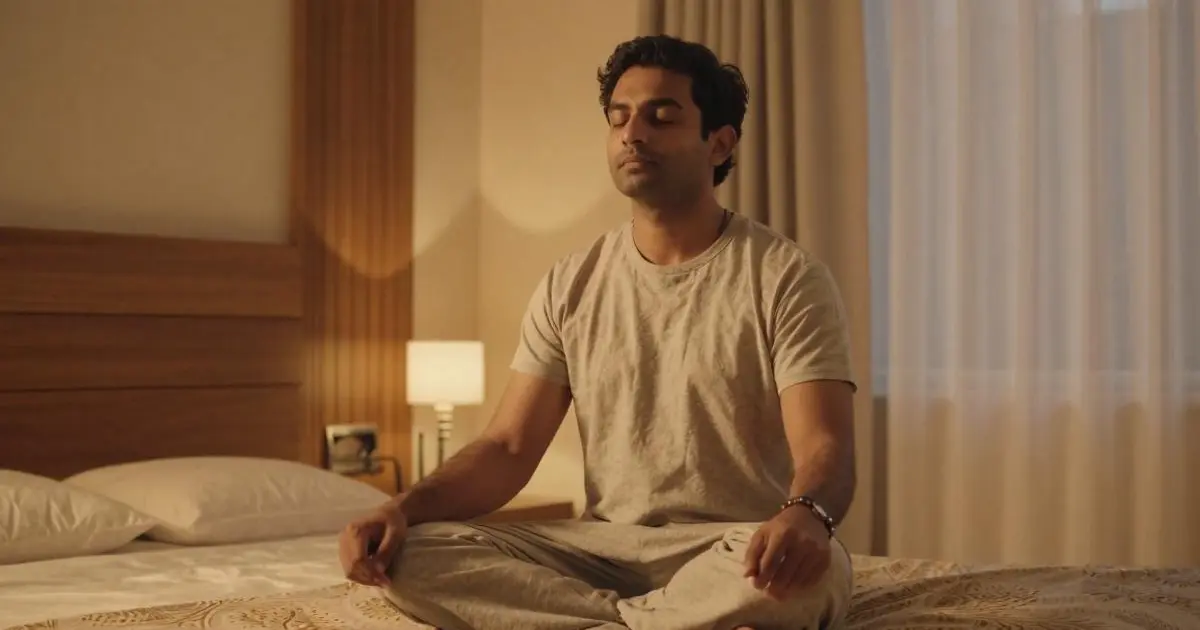

As the world awakens with the sun, a daily 10-minute embrace of morning light might just be the secret to realigning our modern lives with ancestral rhythms. The burst of sunlight at dawn is not just visually captivating; it's a potent biological signal to reset our internal clocks, optimize sleep, and enhance mood.
Our bodies are masters of adaptation, finely tuned to respond to the natural cycle of day and night. Exposing yourself to morning sunlight can reinvigorate this ancient connection, leading to profound impacts on both mental and physical health.
But how exactly does this seemingly simple act hold such substantial sway over our complex biological systems? Let's delve deep into the science behind it.
Understanding the Science of Morning Sunlight
Scientific research shows that sunlight is crucial for setting our circadian rhythm. This internal body clock is responsible for regulating sleep patterns, hormone release, and several other vital processes. Studies suggest that morning sunlight exposure before 10 a.m. significantly improves sleep quality by lowering the Pittsburgh Sleep Quality Index (PSQI) scores.
Why before 10 a.m., you ask? It’s all about synchronizing our circadian rhythm with the Earth's natural light-dark cycle. Exposure to natural light in the morning helps to decrease the production of melatonin, the hormone that induces sleepiness, thereby kickstarting alertness and activity levels. Concurrently, cortisol levels naturally peak in the morning, giving you an energetic boost-part of the body's innate strategy for preparing you for the day ahead.
The timing of light exposure is critical. Regular morning sunlight exposure aligns the sleep-wake cycle for healthy sleep architecture, characterized by faster sleep onset and deeper rest. This is reinforced by evidence pointing to improved mood and cognitive performance.
The Benefits of 10 Minutes in the Morning Sun
Grasping the simplicity of a 10-minute morning sun routine illuminates a pathway to numerous health advantages. Within minutes, sunlight exposure instigates a cascade of beneficial processes inside the body.
Firstly, it enhances serotonin levels-often dubbed the ‘happiness hormone’. Sunlight stimulates the production of serotonin, aiding in mood stabilization and contributing to overall mental health. A short stint under the sun will, quite literally, brighten your day.
Moreover, besides mood enhancement, research underscores how sunlight influences sleep architecture. A study revealed that each 30-minute increase of sunlight exposure every morning lowers the sleep midpoint by approximately 23 minutes, greatly aiding in a circadian rhythm reset.
Furthermore, regular exposure correlates with less subjective fatigue and greater wakefulness throughout the day. Just 5-10 minutes of morning light can set your circadian rhythm for 12-16 hours, ensuring better sleep onset and deeper sleep at night.
Morning Sunlight and Its Influence on Sleep Recovery
Morning light exposure is an anchor that secures our circadian rhythm, ensuring we function optimally on a 24-hour cycle. This exposure reduces daytime melatonin levels, which equates to reduced daytime sleepiness and enhanced night-time sleep efficiency.
The impact of sunlight also extends to a neurobiological level. Sunlight enhances nerve-transmission speed in the brain, improving mental clarity and focus. Such cognitive benefits come as serotonin levels rise and the body naturally transitions into its active phase.
Consequentially, those regular under-the-morning-sun routines report improvements in mood, increased energy levels, and decreased symptoms of anxiety and depression. This even correlates with better metabolic function, as seen in improved weight and heart health through indirectly regulated hormone levels.
Practical Application: How to Implement a Morning Sun Routine
Introducing these serene morning moments doesn’t require a complete overhaul of your routine. Remember, consistency is paramount for effectiveness in resetting your biological clock.
- Start within one hour of waking. This timing optimizes the cortisol response for heightened alertness.
- Spend 10 minutes outdoors. On overcast days, extend this to 20 minutes as clouds can diffuse sunlight.
- Expose your eyes to natural light without sunglasses initially to allow unfiltered light to enter the retina.
- Under unfavorable weather conditions, consider a light therapy box as an alternative, ensuring it mimics natural light.
Remember, these steps, although simple, foster improvements in mood, focus, and sleep-all critical elements of overall well-being.
FAQs
How much morning sunlight do I need for circadian reset? Aim for at least 10 minutes of direct sunlight exposure within an hour after waking. If the sky is overcast, extend the time to 20 minutes for optimal results.
Does morning sunlight help with sleep quality? Yes, exposure to morning sunlight helps align your circadian rhythm, improving your sleep quality by facilitating earlier sleep onset and deeper rest.
What to do on cloudy days for morning light exposure? On cloudy days, increase your exposure to 20 minutes to compensate for reduced light intensity. Alternatively, consider using a light therapy box.
Is morning sunlight effective through a window? Natural light through a window is less effective because glass filters out a significant portion of the daylight spectrum needed for circadian regulation.
How soon after waking should I get morning sunlight? It's optimal to get sunlight within an hour after waking to harmonize your body's internal clock with the natural day-night cycle.