
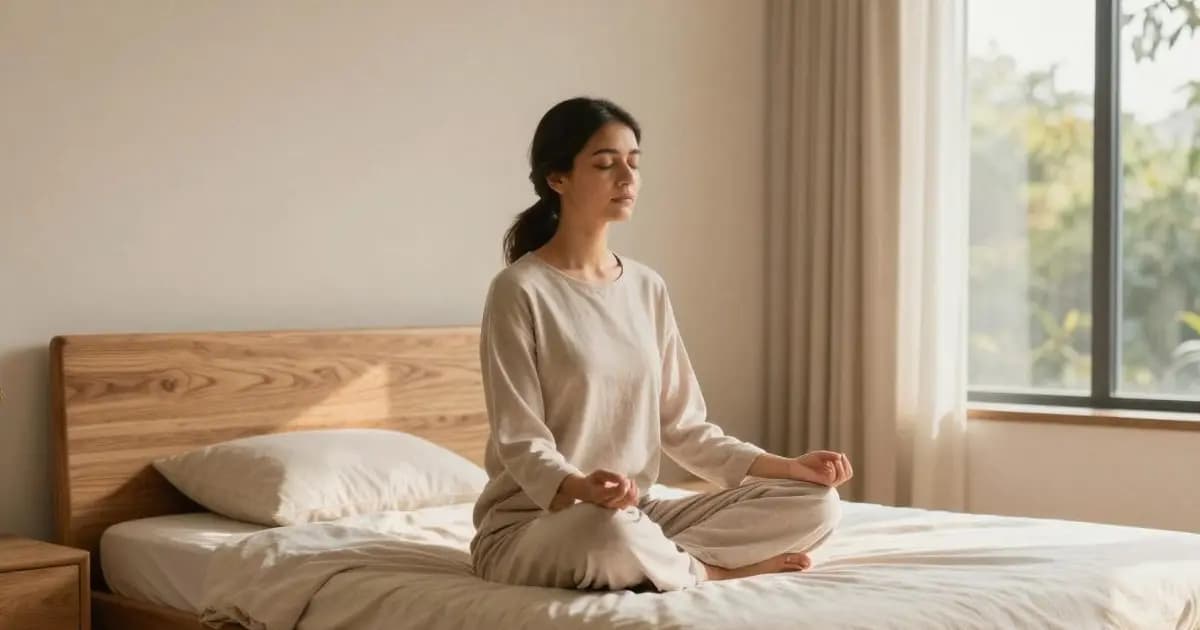
In our journey through daily life, homes should stand as sanctuaries of comfort and rest. As the world pivots towards more holistic living, the concept of 'invisible wellness' is gaining prominent attention. Invisible wellness involves subtle yet impactful design integrations that enhance the well-being of residents by prioritizing mental health and sleep quality - all without overtly visible features.
Imagine walking into a home where architectural and interior design choices contribute to lower stress levels and better sleep without obvious wellness gadgets or installations. This approach emphasizes creating environments that work noiselessly in the background, subtly enhancing your quality of life. By embracing this concept, you align with the growing 2026 trend towards homes that support our natural rhythms, providing unseen but deeply felt benefits.
The Science Behind Invisible Wellness
The integration of invisible wellness features into home design isn't a fleeting trend; it’s backed by compelling scientific research. The International Well Building Institute’s 2025-2026 findings reveal homes with robust invisible wellness facets reported 31% lower daily stress, 27% better sleep quality, and 19% higher life satisfaction among residents. These statistics show a significant correlation between environmental factors and health outcomes.
Circadian lighting systems are a key player here. By mimicking natural light rhythms, these systems regulate vital hormones like melatonin and cortisol. The absence of visible controls makes them seamless, allowing inhabitants to enjoy restful sleep and stress reduction effortlessly.
Acoustic elements also play a vital role. The utilization of acoustic fiber panels and soft furnishings quietens the environment, reducing stress-related hormonal responses. Such elements create soothing spaces that promote mental clarity by dampening disruptive noise levels.
Moreover, biophilic textures, like natural stone and wool, activate our parasympathetic nervous system, fostering a state of relaxation and reducing perceived tension without prominent indications of design inventions.
Deep Dive
To dive deeper into this topic, read our comprehensive guide: The Everyday Guide to Natural Remedies & Holistic Healing
Design Strategies: Embracing the Unseen
Creating a home that embodies invisible wellness isn't about adding more but rather enhancing what's already there. It starts with carefully selecting materials and design elements that naturally elevate wellness.
Light Play and Circadian Lighting: Implementing hidden light sources with adjustable intensity aligns home lighting with circadian rhythms. For instance, wall alcoves with diffused light provide ambient illumination, emulating sunrise and sunset tones, promoting better sleep cycles by naturally regulating the body's internal clock.
Sound Control with Acoustic Panels: Introduce elements like upholstered furniture, sound-absorbing rugs, and landscape-inspired art pieces. Acoustic plaster can subtly quieten entire rooms, reinforcing concentration and tranquility without disrupting the aesthetic balance of your interiors.
Biophilic Textures for Grounding: Incorporate tactile materials such as wool throws or linen drapes. These create environments that connect inhabitants with nature's soothing touch, mitigating stress by subtly stimulating tactile senses often dulled by synthetic textures.
Practical Application in Your Home
Adopting these invisible wellness approaches may seem abstract, but actionable steps can bring these concepts to life in homes effectively. Here's how you can start implementing these concepts today.
Invisible wellness transforms living spaces into holistic retreats, enriching life quality while maintaining design integrity.
FAQs
What is invisible wellness in home design?
Invisible wellness refers to integrating elements into home design that enhance health and well-being without being overtly visible. It focuses on optimizing light, sound, and air to improve mental health and sleep quality.
How does circadian lighting improve sleep?
Circadian lighting mirrors natural daylight rhythms and adjusts color temperatures to align with Earth’s natural cycles, aiding in the regulation of sleep-inducing hormones such as melatonin, which is critical for restful sleep.
What materials help with acoustic control for stress relief?
Materials such as acoustic panels, heavy curtains, woolen rugs, and upholstered furniture can significantly dampen sound, creating a quieter, more peaceful environment, which can help reduce stress levels by lowering ambient noise.
How can biophilic textures promote relaxation?
Biophilic textures such as those found in natural stones or woods and tactile fabrics like linen engage the senses in a manner that promotes calmness and reduces stress by mimicking natural environments.
What are practical ways to add invisible wellness features?
Practical steps include integrating circadian lighting, enhancing acoustics through sound-absorbing materials, improving air quality with purifiers, and incorporating soothing scents into the home environment.