Ancient Wisdom, Modern Science: Rediscovering Natural Healing
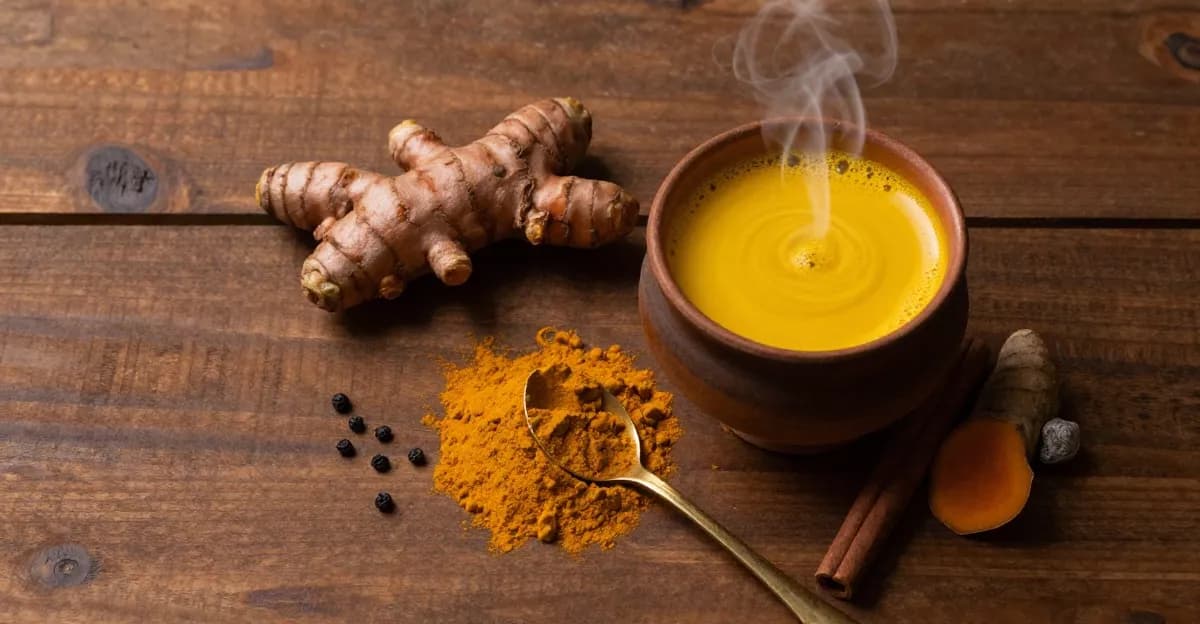
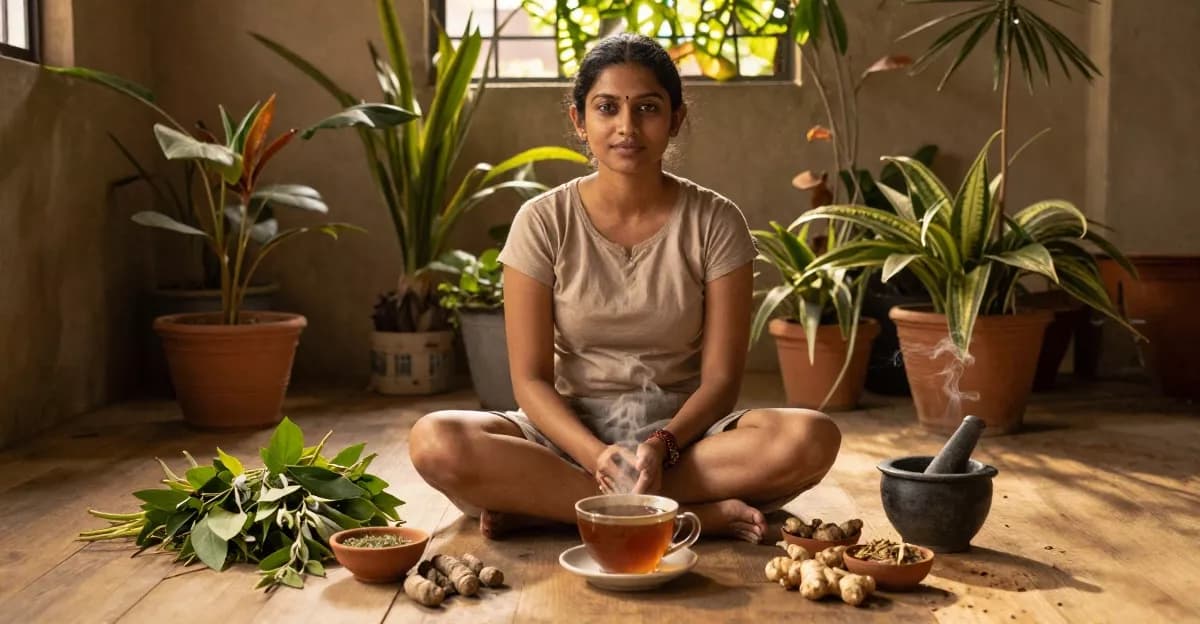
Your grandmother didn't need a pharmacy for every cough, cold, or sleepless night. She reached for tulsi leaves, brewed ginger with honey, massaged warm sesame oil into aching joints, and slept soundly on a stomach settled by ajwain water. She wasn't being primitive. She was drawing from one of the world's oldest, most sophisticated systems of evidence-based healing - one that modern science is now rapidly validating.
Natural remedies are not a rejection of modern medicine. They are a reclamation of the profound healing intelligence embedded in plants, food, breath, and daily ritual - most of which was quietly abandoned in the 20th century's rush toward pharmaceutical convenience. This guide brings it back, with science.
Deep Dive
To dive deeper into this topic, read our comprehensive guide: Pueraria Mirifica for Menopause Symptom Relief: 2026's Top Phytoestrogen Herb Trend
1. Rethinking Health: Why Natural Remedies Are Having a Global Renaissance
Something significant is shifting in how people approach their health - and it's not just a wellness trend. It's a recalibration.
The Limits of Conventional Medicine for Everyday Ailments
Modern pharmaceutical medicine is one of humanity's greatest achievements. It has eradicated diseases, saved millions of lives through surgery and emergency care, and extended human lifespan dramatically. For acute, life-threatening conditions - infections, trauma, cancer, cardiac events - it remains irreplaceable.
But for the vast majority of everyday health challenges - fatigue, digestive discomfort, chronic stress, poor sleep, low immunity, skin conditions, mild anxiety - the pharmaceutical model often offers blunt instruments where precise, gentle tools are needed:
- Antibiotic overprescription: The WHO identifies antimicrobial resistance as one of the greatest threats to global health. In India, antibiotics are prescribed for viral infections at rates far exceeding medical necessity - a practice that destroys gut microbiome health and contributes to resistance
- Symptom suppression vs root cause resolution: Antacids suppress stomach acid without addressing why excess acid is being produced. Sleeping pills sedate without improving sleep architecture. Pain medication reduces perception of pain without resolving its source.
- Side effect burden: A 2021 review in the British Medical Journal found that adverse drug reactions account for approximately 6.5% of all hospital admissions in high-income countries - many from medications prescribed for non-life-threatening conditions
This is not an argument against modern medicine. It is an argument for intelligent integration - using natural, evidence-based approaches for everyday ailments while reserving pharmaceutical intervention for when it is genuinely necessary.
What Holistic Healing Actually Means
The word "holistic" comes from the Greek holos - meaning whole. Holistic healing is the philosophy that optimal health cannot be achieved by treating isolated symptoms in isolation. The body is an interconnected system, and lasting health requires addressing the physical, mental, emotional, and environmental dimensions simultaneously.
The distinction between healing modalities:
- Alternative medicine: Used instead of conventional treatment (not recommended for serious conditions)
- Complementary medicine: Used alongside conventional treatment to enhance outcomes and manage side effects
- Integrative medicine: A evidence-informed approach that deliberately combines the best of conventional and natural medicine - the gold standard model endorsed by leading institutions including Harvard's Osher Center for Integrative Medicine
The WHO's 2019 Traditional and Complementary Medicine Strategy acknowledged that traditional medicine systems - including Ayurveda, Traditional Chinese Medicine, and indigenous healing systems - serve as the primary healthcare resource for 80% of the world's population and called for their systematic integration into national health frameworks.
The Science Is Catching Up: Research Validating Natural Medicine
The evidence base for natural medicine is growing rapidly. A search of PubMed - the world's largest biomedical research database - returns over 40,000 peer-reviewed studies on herbal medicine published in the last decade alone. Specific findings include:
- Curcumin (turmeric's active compound) has been studied in over 12,500 peer-reviewed papers - with evidence for anti-inflammatory, neuroprotective, and anticancer properties
- Ashwagandha (KSM-66 extract) has demonstrated cortisol reduction of up to 30% in double-blind, placebo-controlled trials
- Elderberry extract has shown significant reduction in influenza duration and severity in randomized controlled trials
- Forest bathing (Shinrin-yoku) has been shown to reduce cortisol, lower blood pressure, and increase natural killer cell activity - the immune cells responsible for fighting viral infections and cancer cells
The honest caveat: natural remedies are genuinely under-researched compared to pharmaceuticals - largely because plants cannot be patented, reducing financial incentive for expensive clinical trials. The absence of large-scale trials is not the same as evidence of ineffectiveness.
2. Ayurveda Basics: India's 5,000-Year-Old Science of Life
Ayurveda - from the Sanskrit Ayur (life) and Veda (knowledge) - is not an alternative to modern medicine. It is an entirely different framework for understanding life, health, and the human body - one that has been refined over 5,000 years and is now increasingly validated by modern research.
What Is Ayurveda and How Does It Work?
Ayurveda's foundational insight is that human beings are not separate from nature - we are expressions of it. Health is the natural state; disease arises when we fall out of alignment with our natural constitution and the rhythms of the natural world.
Three core concepts:
- Prakriti (constitution): Each person is born with a unique combination of biological and psychological characteristics - their Prakriti. Optimal health means living in alignment with your Prakriti, not against it.
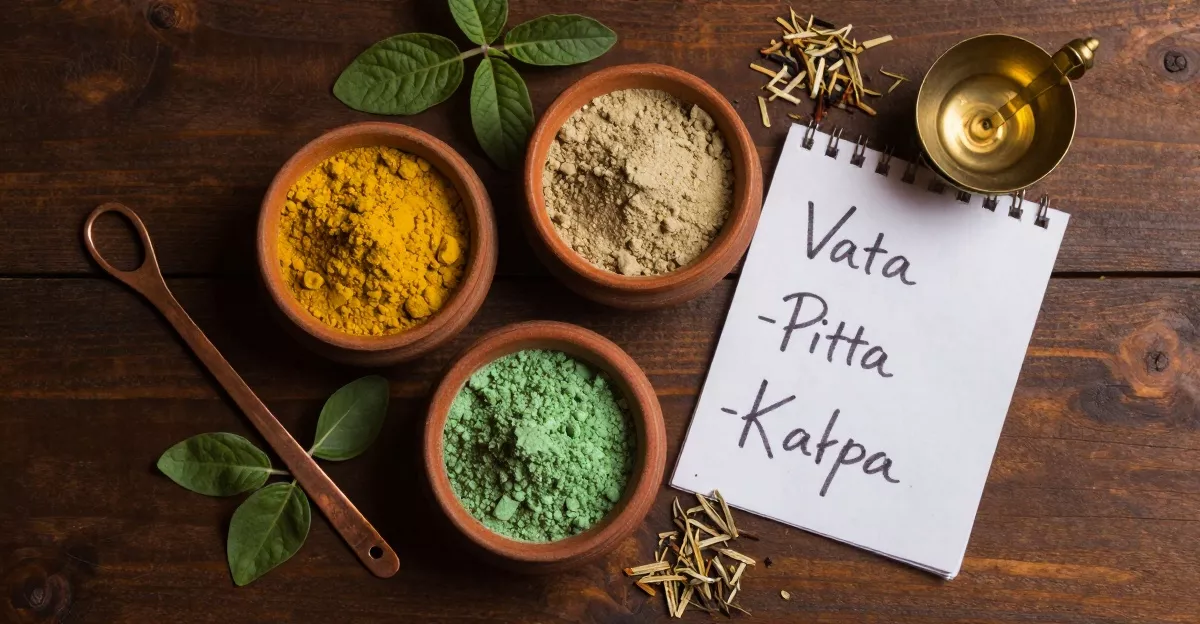
- Doshas: The three fundamental biological forces - Vata (air/space), Pitta (fire/water), and Kapha (earth/water) - that govern all physiological and psychological processes
- Agni (digestive fire): The quality of digestion is central to Ayurvedic health. Strong Agni means efficient processing of food, emotions, and experience. Weak Agni leads to the accumulation of ama (undigested metabolic waste) - considered the root of most disease.
The Three Doshas and Their Health Implications
Vata (Air + Space) - The Energy of Movement:
- Characteristics: creative, enthusiastic, quick-thinking, light, dry
- Imbalance signs: anxiety, insomnia, constipation, dry skin, scattered thinking, joint pain
- Remedies: warm foods, grounding routines, sesame oil Abhyanga, ashwagandha, adequate rest
Pitta (Fire + Water) - The Energy of Transformation:
- Characteristics: sharp intellect, driven, articulate, warm, intense
- Imbalance signs: inflammation, acidity, skin rashes, irritability, perfectionism, burnout
- Remedies: cooling foods (coconut, cucumber, coriander), avoiding excess heat and spice, brahmi, shatavari, aloe vera
Kapha (Earth + Water) - The Energy of Structure:
- Characteristics: calm, stable, nurturing, strong, loyal
- Imbalance signs: weight gain, lethargy, congestion, depression, excessive sleep, attachment
- Remedies: stimulating movement, light and warm foods, ginger, trikatu (three peppers), dry brushing
Simple Dosha Self-Assessment:
Consider your natural tendencies across three domains - body type and physical characteristics, mental and emotional patterns, and how you respond to stress. The dominant patterns across all three reveal your primary Dosha. Most people are bi-doshic (two dominant Doshas) rather than purely one.
Core Ayurvedic Practices for Modern Life
Dinacharya - the Ayurvedic daily routine - is one of the most practical and evidence-aligned gifts of the tradition:
- Tongue scraping (Jihwa Prakshalana): Removing the bacterial coating on the tongue each morning - now supported by dental research showing significant reduction in volatile sulfur compounds (bad breath) and bacterial load
- Oil pulling (Kavala Graha): Swishing 1 tablespoon of cold-pressed sesame or coconut oil for 10-15 minutes - research published in the Journal of Ayurveda and Integrative Medicine found significant reduction in Streptococcus mutans (primary cavity-causing bacteria)
- Abhyanga (warm oil self-massage): Applying warm sesame oil to the body before bathing - stimulates lymphatic drainage, nourishes skin, and activates the parasympathetic nervous system. A 2011 study found measurable cortisol reduction following Abhyanga.
- Warm water with ginger or lemon upon waking: Stimulates Agni, supports gentle detoxification, and hydrates after overnight fast
Case Study - Ananya, 31, Marketing Manager, Delhi: Struggling with chronic fatigue, irregular digestion, and persistent anxiety, Ananya was identified as primarily Vata-Pitta. She implemented three Ayurvedic practices: Abhyanga three mornings per week, replacing cold salads with warm cooked meals at lunch, and an ashwagandha supplement before bed. Within 8 weeks: sleep quality improved measurably, digestive complaints reduced significantly, and anxiety levels dropped - without any pharmaceutical intervention.
Ayurvedic Herbs Validated by Modern Science
| HerbTraditional UseModern Evidence | ||
| Ashwagandha | Stress, energy, vitality | Cortisol reduction 27-30% in RCTs |
| Triphala | Digestive tonic, detox | Prebiotic effects, antioxidant, mild laxative |
| Brahmi | Memory, cognition | Improved memory recall in elderly (RCT) |
| Shatavari | Women's health, hormonal balance | Adaptogenic, galactagogue effects confirmed |
| Guduchi | Immunity, fever | Immunomodulatory, hepatoprotective evidence |
3. Everyday Herbs & Their Healing Powers
The most powerful pharmacy available to most Indian families costs almost nothing and is already sitting in their kitchen.
Your Kitchen as a Medicine Cabinet
Ten herbs and spices with robust clinical evidence for therapeutic benefit:
1. Turmeric (Curcumin)
The most researched plant compound in modern medicine. Curcumin's anti-inflammatory mechanism - inhibiting NF-kB, a key molecular driver of inflammation - is comparable to some pharmaceutical anti-inflammatories, without the gastric side effects. Critical bioavailability note: curcumin alone has poor absorption. Combining with black pepper (piperine) increases bioavailability by 2,000%. Combining with fat (ghee, coconut oil) further enhances absorption.
2. Ginger (Zingiber officinale)
Extensively studied for: nausea reduction (pregnancy-related, chemotherapy-induced, motion sickness), anti-inflammatory activity (comparable to ibuprofen in some osteoarthritis studies), digestive motility improvement, and blood sugar regulation. Fresh ginger is more potent for acute nausea; dried ginger has stronger anti-inflammatory properties.
3. Garlic (Allium sativum)
Allicin - garlic's active compound, released when garlic is crushed and left to rest for 10 minutes before cooking - has demonstrated: blood pressure reduction (meta-analysis of 20 RCTs), LDL cholesterol reduction, antimicrobial activity against drug-resistant bacteria, and immune system enhancement. Cooking immediately after crushing destroys allicin - let crushed garlic rest before adding to heat.
4. Tulsi (Holy Basil)
Revered in Ayurveda as "The Queen of Herbs", tulsi is now recognized as a true adaptogen - reducing cortisol, modulating immune response, and demonstrating antibacterial, antiviral, and anti-inflammatory properties in multiple studies. Tulsi tea is arguably the single most accessible daily healing ritual available to Indian households.
5. Neem (Azadirachta indica)
One of the most comprehensively studied medicinal plants in the world - with over 140 active compounds identified. Evidence supports: antibacterial and antifungal activity (skin, oral health), blood sugar regulation, anti-inflammatory effects, and liver protection.
6. Cinnamon (Cinnamomum verum)
True cinnamon (Ceylon) - not cassia (the common supermarket variety) - has strong evidence for: blood sugar regulation (reducing fasting glucose and HbA1c), LDL reduction, and antimicrobial activity. Use Ceylon cinnamon specifically for therapeutic purposes.
7-10. Supporting cast: Black pepper (bioavailability enhancer, antioxidant), fenugreek (blood sugar, milk production), cardamom (digestive, anti-inflammatory, breath-freshening), cloves (highest antioxidant ORAC value of any spice, antimicrobial, dental pain relief)
Adaptogens: Nature's Stress-Fighting Herbs
Adaptogens are a specific class of herbs that help the body adapt to physical and psychological stress by normalizing physiological processes - raising what is too low and lowering what is too high. The term was coined by Soviet pharmacologist Nikolai Lazarev in 1947 and has since been validated through extensive research.
Top evidence-based adaptogens:
- Ashwagandha (Withania somnifera): The most studied adaptogen. KSM-66 extract reduces cortisol, improves thyroid function, enhances physical endurance, and improves sleep quality. Standard therapeutic dose: 300-600mg extract daily.
- Rhodiola Rosea: Specifically effective for mental fatigue and stress-induced exhaustion. A 2009 study in Planta Medica found significant improvement in fatigue and cognitive function in physicians during night shifts.
- Holy Basil (Tulsi): Ocimum tenuiflorum - reduces psychological stress, balances cortisol, and has anxiolytic (anti-anxiety) effects comparable to some pharmaceutical agents in animal models
- Eleuthero (Siberian Ginseng): Enhances physical stamina and immune function - used extensively by Soviet Olympic athletes and cosmonauts
Anti-Inflammatory Herbs for Chronic Disease Prevention
Chronic low-grade inflammation is now understood as the common biological thread connecting most major chronic diseases - cardiovascular disease, type 2 diabetes, Alzheimer's, certain cancers, and autoimmune conditions.
The most potent natural anti-inflammatory protocol:
- Morning: Warm turmeric milk (golden milk) with black pepper and ghee
- With meals: Ginger and garlic incorporated into cooking
- Supplement: Boswellia serrata (Shallaki) - an Ayurvedic resin with strong evidence for joint inflammation, comparable to NSAIDs in some osteoarthritis studies
- Daily: Omega-3 rich foods (flaxseed, chia, walnuts, fatty fish) - EPA and DHA directly inhibit pro-inflammatory prostaglandin synthesis
4. Herbal Teas for Health: The Daily Ritual of Healing
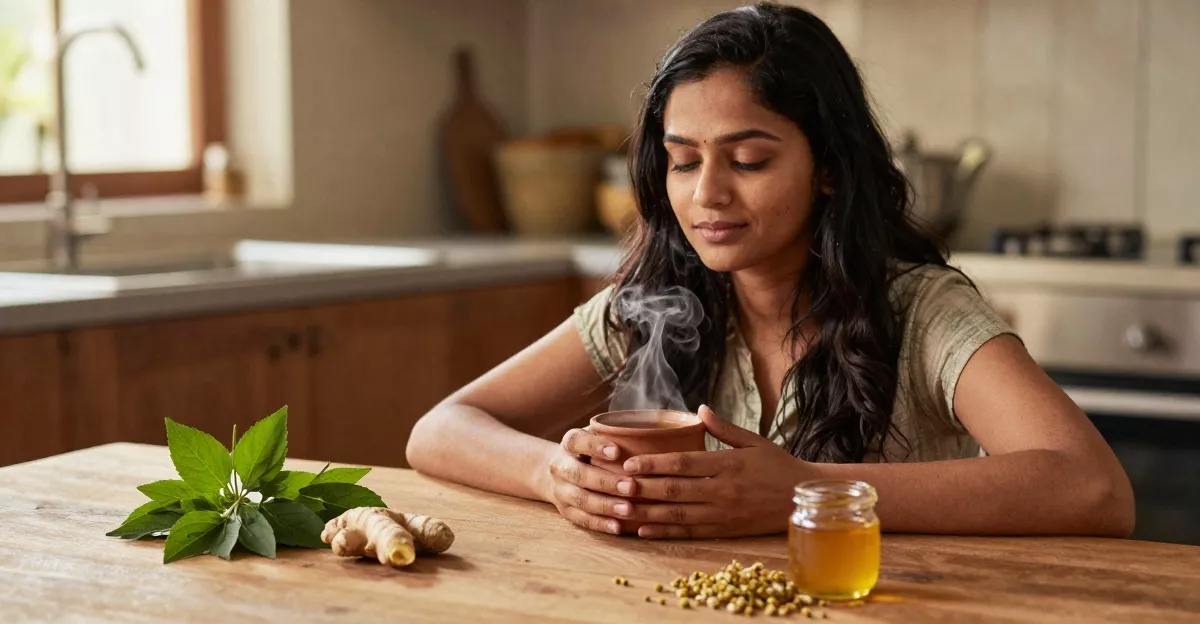
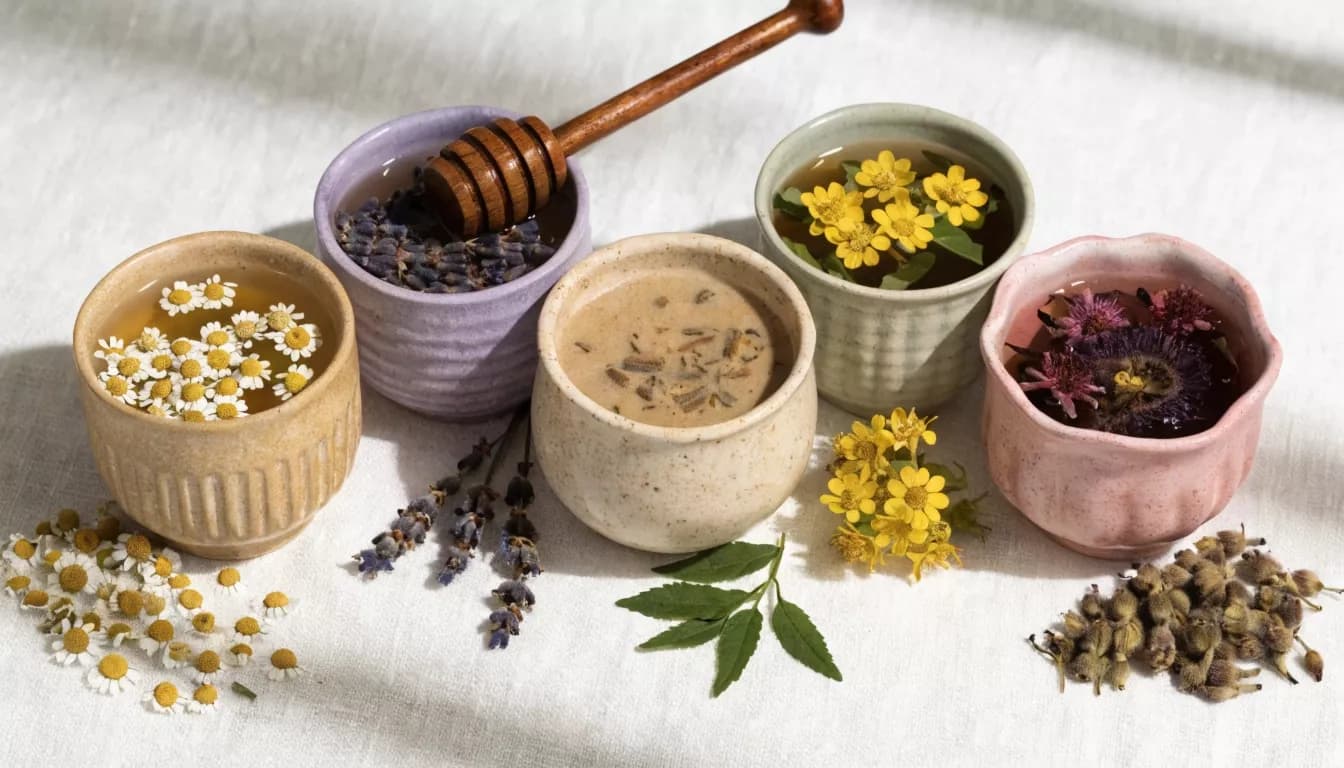
A cup of tea is one of the most ancient and universal healing rituals in human history. In Ayurveda, China, Japan, and indigenous cultures across every continent, medicinal plant preparations in hot water have been the primary delivery mechanism for botanical medicine for thousands of years. Modern phytochemistry now explains exactly why.
Why Herbal Teas Are One of the Most Accessible Healing Tools
Hot water extraction is remarkably effective at releasing water-soluble phytochemicals - flavonoids, polyphenols, volatile oils, and alkaloids - from plant material. Many of these compounds are poorly absorbed in raw plant form but become highly bioavailable in aqueous (water-based) preparation.
Beyond chemistry, the ritual of preparing and drinking herbal tea offers a secondary healing mechanism: mindfulness and sensory deceleration. The act of boiling water, steeping herbs, holding a warm cup, and drinking slowly activates the parasympathetic nervous system - reducing cortisol before the pharmacological effects of the herbs even begin.
Safety considerations:
- Herb-drug interactions are real and clinically significant - always inform your doctor of herbal use
- Pregnancy and breastfeeding require extra caution - several herbs are contraindicated
- "Natural" does not always mean safe at high doses - dosage and duration matter
The Top 10 Herbal Teas and Their Evidence-Based Benefits
1. Tulsi (Holy Basil) Tea
The daily immunity and stress ritual. Contains eugenol, rosmarinic acid, and ursolic acid - collectively demonstrating adaptogenic, anti-inflammatory, antimicrobial, and immunomodulatory effects. One cup daily: evidence supports cortisol reduction and immune enhancement.
2. Ginger Tea
Fresh ginger root steeped for 10 minutes produces a tea with potent antiemetic, anti-inflammatory, and digestive-stimulating properties. A 2014 Cochrane review confirmed ginger's efficacy for pregnancy-related nausea. Effective for motion sickness, IBS, and post-meal bloating.
3. Chamomile Tea
The most studied sleep-support herb. Contains apigenin - a flavonoid that binds to GABA receptors in the brain, producing mild sedation and anxiolytic effects. A 2017 RCT found long-term chamomile use significantly reduced generalized anxiety disorder symptoms. Also demonstrated gut-soothing and anti-spasmodic effects.
4. Peppermint Tea
Contains menthol, which relaxes smooth muscle in the digestive tract - making it highly effective for IBS-related cramping and bloating. A 2014 meta-analysis confirmed peppermint oil's efficacy for IBS. Additionally: temporarily increases alertness, reduces tension headaches (apply cooled peppermint tea bag to forehead), and freshens breath.
5. Ashwagandha Root Tea
Less common than capsule supplementation, ashwagandha root tea offers a gentler, more sustained delivery of withanolides. Best consumed in the evening for cortisol reduction and sleep quality improvement.
6. Green Tea (Matcha)
Contains EGCG (Epigallocatechin gallate) - one of the most studied antioxidant compounds in the world, with evidence for: neuroprotection, metabolic enhancement, cancer cell apoptosis induction, and cardiovascular protection. The unique combination of caffeine + L-theanine in green tea produces calm, focused alertness without the cortisol spike of coffee.
7. Hibiscus Tea
A landmark 2010 study published in the Journal of Nutrition found that three cups of hibiscus tea daily for six weeks produced significant blood pressure reduction in pre-hypertensive adults - comparable to some pharmaceutical antihypertensives. Richest known plant source of anthocyanins.
8. Cinnamon Tea
Ceylon cinnamon tea after meals has demonstrated blood sugar regulation - reducing the glycemic spike of carbohydrate-containing meals. Evidence from multiple RCTs supports its role in improving insulin sensitivity.
9. Brahmi Tea
Bacopa monnieri - prepared as tea or taken as extract - has demonstrated memory consolidation improvement, anxiety reduction, and neuroprotection in multiple clinical trials. A 2001 RCT found significant improvement in verbal learning and memory in healthy adults after 12 weeks.
10. Licorice Root Tea
Glycyrrhizin in licorice root has demonstrated: adrenal support (cortisol metabolism), gut lining protection (demulcent action), respiratory soothing, and anti-inflammatory effects. Caution: not recommended for hypertensive individuals or in high doses - use DGL (deglycyrrhizinated licorice) for gut applications.
Building Your Personal Herbal Tea Protocol
Morning (Energizing + Immunity):
- Tulsi + ginger + black pepper tea: immune modulation, cortisol management, digestive stimulation
- Green tea (30-60 minutes after waking, not on empty stomach): sustained energy, antioxidant loading
Afternoon (Focus + Digestion):
- Peppermint tea after lunch: digestive support, mild cognitive alertness
- Brahmi or green tea: focus and cognitive performance support
Evening (Relaxation + Sleep Preparation):
- Chamomile + ashwagandha blend: GABA activation, cortisol reduction
- Cinnamon tea after dinner: blood sugar stabilization overnight
Brewing for Maximum Potency:
- Use filtered or spring water - chlorine in tap water degrades delicate phytochemicals
- Steep covered (a lid traps volatile essential oils that would otherwise evaporate)
- Most herbs: steep 5-10 minutes in just-boiled water (not boiling - 90-95°C)
- Roots and bark (ginger, cinnamon, licorice): simmer gently for 10-15 minutes
- Fresh herbs (tulsi, mint): steep 3-5 minutes only - longer releases bitter tannins
5. Natural Immunity Boosters: Strengthening Your Body's Defence System
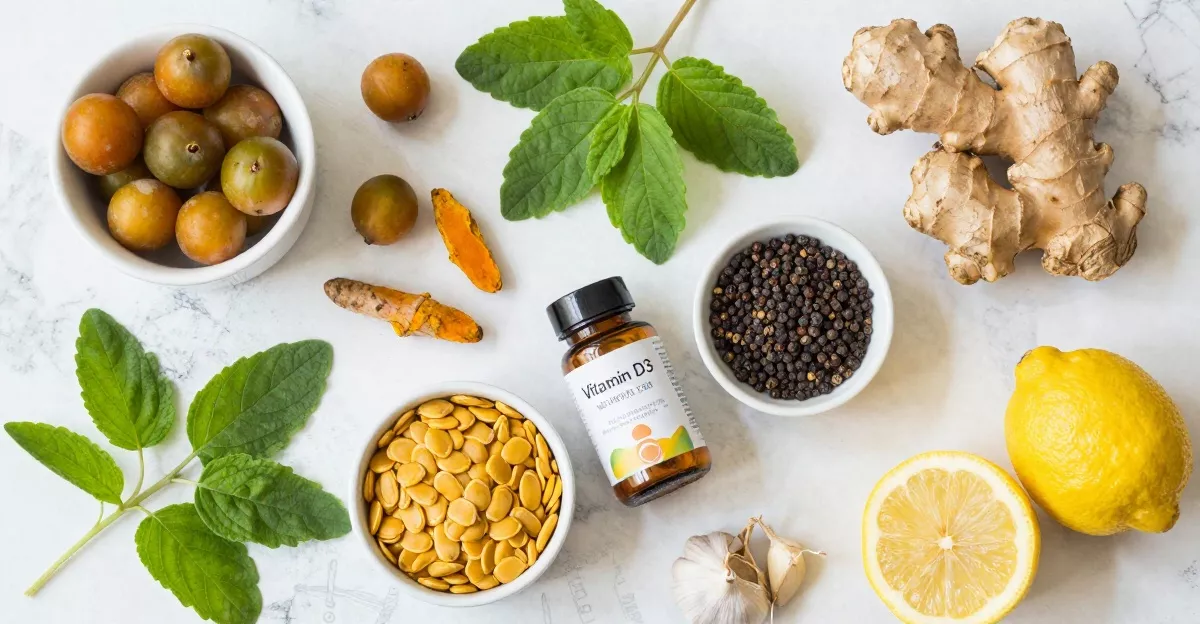
"Boosting immunity" has become one of the most commercially exploited phrases in the wellness industry - applied to everything from dubious supplements to overpriced juices. The scientific reality is more nuanced and more actionable.
How the Immune System Actually Works
The immune system is not a single organ or mechanism. It is a complex, multi-layered network operating across the entire body:
- Innate immunity: Your first line of defence - immediate, non-specific response to any pathogen. Includes physical barriers (skin, mucous membranes), fever response, and natural killer cells.
- Adaptive immunity: Your second line - specific, learned response that develops targeted antibodies against specific pathogens. This is what vaccines work with.
You cannot "boost" immunity in a simple, linear sense. An overactive immune system causes autoimmune disease and allergies. What natural interventions actually do is modulate and optimize immune function - ensuring all components work efficiently and are not suppressed by lifestyle factors.
The four primary lifestyle factors that suppress immunity:
- Sleep deprivation: Below 6 hours significantly reduces T-cell and natural killer cell activity
- Chronic stress: Sustained cortisol elevation suppresses inflammatory and immune response
- Poor nutrition: Deficiencies in Vitamin D, C, zinc, selenium directly impair immune cell production
- Physical inactivity: Moderate exercise enhances immune surveillance; sedentary behavior reduces it
Evidence-Based Natural Immunity Protocols
The Foundational Immune Triad:
- Vitamin D3: Perhaps the most critical immune nutrient. Vitamin D receptors are present on virtually every immune cell. Deficiency - affecting over 70% of urban Indians - directly impairs both innate and adaptive immune function. Optimal blood level: 50-80 ng/mL. Dose: 2,000-4,000 IU D3 daily with K2.
- Vitamin C: Supports neutrophil function, antibody production, and skin barrier integrity. The body cannot synthesize or store it - daily intake essential. Best food sources: amla (Indian gooseberry - the richest known natural source of Vitamin C, containing 20 times more than oranges), guava, bell peppers.
- Zinc: Required for the development and function of T-cells and natural killer cells. Commonly deficient in vegetarian diets. Food sources: pumpkin seeds, sesame, legumes, whole grains.
Botanical Immunity Support:
- Elderberry (Sambucus nigra): A 2016 RCT found elderberry extract reduced cold duration by an average of 4 days and severity by 57% compared to placebo
- Echinacea: Meta-analysis of 14 trials found echinacea reduced the incidence of common cold by 58% and duration by 1.4 days
- Guduchi (Tinospora cordifolia): Demonstrated immunomodulatory effects in multiple Indian clinical studies - increases macrophage activity and natural killer cell function
Seasonal Immunity: Adjusting for India's Climate
India's dramatic seasonal variations create distinct health challenges that Ayurveda - developed specifically for the Indian subcontinent - addresses with remarkable precision:
Monsoon (Varsha Ritucharya):
- Digestion weakens during monsoon - reduce heavy, raw, and fermented foods
- Immunity protocol: warm kadha daily (ginger, tulsi, black pepper, cloves, cinnamon), avoid street food and unboiled water
- Herbs: guduchi, pippali, dry ginger
Winter (Hemanta/Shishira):
- Immune system naturally strongest in winter - ideal for building reserves
- Protocol: sesame oil Abhyanga, warm spiced foods, chyawanprash (classical Ayurvedic immunity formulation with clinical evidence)
- Herbs: ashwagandha, shatavari, triphala
Summer (Grishma):
- Pitta season - cooling and hydrating foods are essential
- Protocol: coconut water, buttermilk with cumin, amla juice, rose sharbat
- Herbs: shatavari, brahmi, amalaki
Case Study - The Sharma Family, Jaipur: After two consecutive winters of frequent respiratory infections in their two children, the Sharma family implemented a seasonal Ayurvedic protocol: daily chyawanprash in winter, tulsi-ginger kadha at the first sign of illness, Vitamin D3 supplementation, and reduced processed sugar. Over the following two winters, family antibiotic prescriptions dropped from six courses to zero.
6. Holistic Healing Practices Beyond Herbs
Nature's medicine extends far beyond what can be brewed, swallowed, or applied to skin.
Breathwork as Medicine
The breath is the only autonomic function you can consciously control - making it the most direct lever available for influencing the nervous system, immune function, and mental state.
Pranayama - ancient breathing science with modern validation:
- Anulom Vilom (Alternate Nostril Breathing): Balances left and right hemisphere activity, reduces blood pressure, and activates the parasympathetic nervous system. A 2013 study in the International Journal of Yoga found significant reduction in anxiety and cortisol after 4 weeks of daily practice.
- Bhramari (Humming Bee Breath): The humming vibration stimulates the vagus nerve, increases nitric oxide production (vasodilatory and antimicrobial), and produces rapid relaxation. Particularly effective for anxiety, headaches, and hypertension.
- Kapalbhati (Skull-Shining Breath): Rapid exhalation-focused breathing - stimulates the lymphatic system, improves lung capacity, and creates gentle abdominal massage for digestive organs. Caution: contraindicated in pregnancy, hypertension, and hernia.
The Wim Hof Method - combining specific hyperventilation-style breathing, cold exposure, and mindset training - has produced some of the most striking research in immune science. A 2014 study published in PNAS demonstrated that trained Wim Hof practitioners could voluntarily influence their innate immune response - previously considered impossible.
Sound, Light & Thermal Healing
Sound therapy:
Research from the National Institutes of Health has demonstrated that sound at specific frequencies influences brainwave states, heart rate variability, and cortisol levels. Binaural beats - two slightly different frequencies played in each ear - create a perceived third frequency in the brain, entraining neural oscillations toward desired states (delta for sleep, alpha for relaxation, gamma for focus). Tibetan singing bowls produce complex overtone frequencies that research links to parasympathetic activation and measurable cortisol reduction.
Red and Near-Infrared Light Therapy (Photobiomodulation):
One of the most rapidly growing evidence bases in medicine. Light in the 630-850nm wavelength range penetrates tissue and stimulates cytochrome c oxidase - a mitochondrial enzyme - increasing cellular ATP production. Clinical evidence supports applications for: wound healing, joint pain, skin conditions, hair loss, and cognitive performance. Home devices are increasingly affordable (₹3,000-15,000).
Sauna and heat therapy:
Finnish research - notably from Dr. Jari Laukkanen at the University of Eastern Finland - found that sauna use 4-7 times per week was associated with 40% lower cardiovascular mortality and 65% lower risk of Alzheimer's disease. Heat stress produces heat shock proteins, increases growth hormone, and creates an immune activation comparable to moderate fever. For those without sauna access: a hot bath at 40°C for 20 minutes produces measurable cardiovascular and recovery benefits.
Acupressure & Marma Points
In Traditional Chinese Medicine, acupressure stimulates specific points along energy meridians to influence organ function and energy flow. In Ayurveda, the equivalent system uses Marma points - 107 vital energy junctions where flesh, veins, arteries, tendons, bones, and joints meet.
5 Key pressure points for everyday ailments:
- LI4 (Hegu) - between thumb and index finger: headache relief, immune stimulation, stress reduction. Press firmly for 1-2 minutes.
- PC6 (Nei Guan) - inner wrist, 3 finger-widths from wrist crease: nausea, anxiety, heart palpitations
- ST36 (Zusanli) - 4 finger-widths below kneecap: digestive health, immunity, energy, fatigue
- GV20 (Baihui) - crown of the head: mental clarity, anxiety, insomnia, headache
- KD1 (Yongquan) - center of the foot sole: grounding, insomnia, anxiety, kidney support
Forest Bathing and Nature as Medicine
Shinrin-yoku (森林浴) - the Japanese practice of immersive, mindful time in forest environments - is one of the most robustly researched natural healing practices in the world. Research from Nippon Medical School (Dr. Qing Li) has demonstrated that forest bathing:
- Increases Natural Killer (NK) cell activity by 50% - sustained for up to 30 days after a 3-day forest immersion
- Reduces cortisol, adrenaline, and blood pressure
- The mechanism: phytoncides - volatile organic compounds emitted by trees (particularly cypress and cedar) - are inhaled and directly stimulate NK cell activity and enhance immune function
For Indian city dwellers without forest access:
- Urban parks with dense tree cover (even 20-30 minutes) produce measurable cortisol reduction
- Houseplants improve air quality and reduce physiological stress markers
- Weekend trips to hill stations, forests, or farmland provide the deeper restorative effects
7. Natural Remedies for Everyday Ailments: A Practical Reference
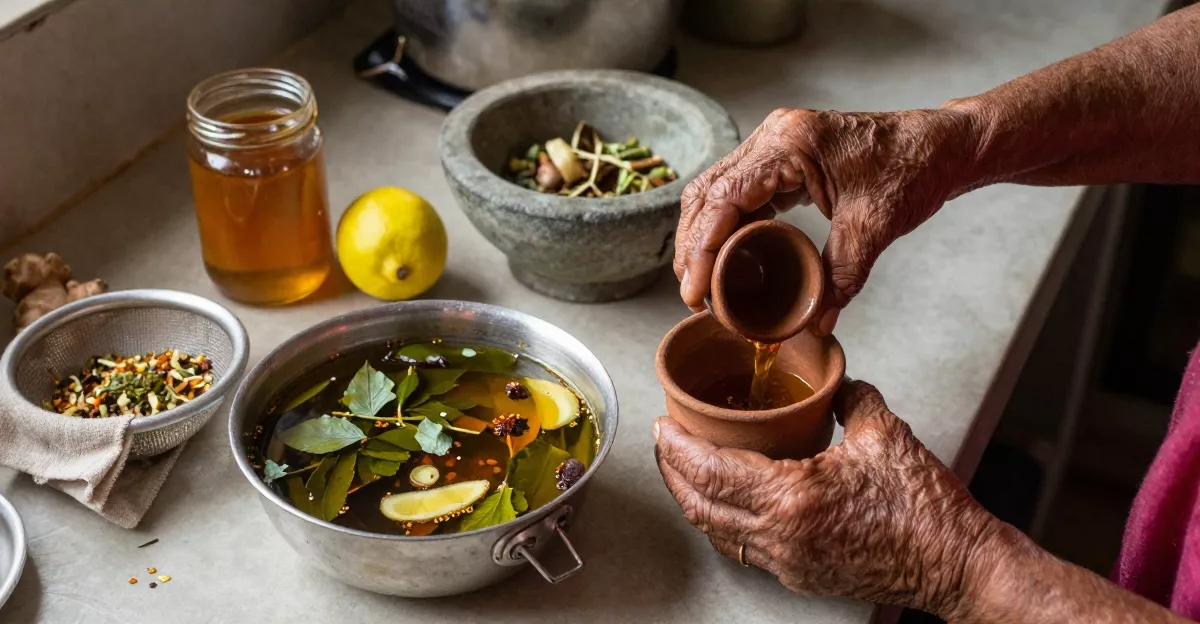
This section is your quick-reference guide - practical, specific, and organized by the everyday health challenges most people actually face.
Digestive Complaints
Bloating and gas:
- Fennel seed tea (saunf): Chew ½ tsp fennel seeds after meals or steep in hot water for 5 minutes. Anethole in fennel relaxes intestinal smooth muscle, releasing trapped gas - the reason fennel is served after meals across India and the Middle East.
- Asafoetida (hing) water: ¼ tsp hing dissolved in warm water - one of the most powerful carminatives (gas-relieving agents) known. Acts within 15-20 minutes.
- Ginger tea: Accelerates gastric emptying, reducing bloating from delayed digestion.
Constipation:
- Triphala: 1 tsp in warm water at bedtime - gentle, non-habit-forming laxative with prebiotic and gut-toning properties. Safe for long-term use.
- Flaxseed: 1 tbsp ground flaxseed in warm water with 2 glasses of additional water - mucilage creates gentle bulk and lubrication. Must be taken with adequate water.
- Warm lemon water upon waking: Stimulates bile production and peristalsis.
Acidity and reflux:
- Aloe vera juice (2 tbsp in water before meals): Soothes esophageal and gastric lining. A 2015 study found aloe vera syrup reduced heartburn, belching, and vomiting symptoms significantly.
- Cold milk with a pinch of cardamom: Immediate alkaline relief for acute acidity. Cardamom prevents the bloating that plain milk can cause.
- DGL licorice (chewable tablet before meals): Increases protective mucus in the stomach lining without affecting cortisol.
Stress, Anxiety, and Poor Sleep
Immediate anxiety relief:
- Tulsi tea (2-3 cups daily): Ocimum tenuiflorum reduces cortisol and produces anxiolytic effects comparable to low-dose anti-anxiety medication in animal models
- Box breathing: 4-count inhale, 4-count hold, 4-count exhale, 4-count hold - activates vagus nerve within 3-5 cycles
- Magnesium glycinate (300-400mg): GABA receptor activation reduces anxiety and muscle tension
Sleep preparation protocol:
- 60 minutes before bed: dim all lights, end screen use
- Ashwagandha 300mg with warm milk
- Chamomile + passionflower tea
- Warm Abhyanga of feet and scalp with sesame oil
- Bhramari pranayama - 5 minutes in bed
Common Cold, Cough & Respiratory Health
The Kadha (Indian Immunity Decoction):
Ingredients: 1 cup water, 4-5 tulsi leaves, ½ inch fresh ginger, 4 black peppercorns, 1 cardamom, ½ tsp turmeric, small piece of cinnamon
Method: Simmer all ingredients for 10 minutes. Strain. Add honey after cooling to 40°C (above this temperature, honey's enzymes and antibacterials are destroyed). Drink warm, twice daily at first sign of illness.
Honey + ginger + turmeric protocol:
- Mix 1 tsp raw honey, ¼ tsp turmeric, ¼ tsp dry ginger powder into a paste
- Take directly or dissolve in warm water
- Research confirms: raw honey has documented antimicrobial activity, ginger reduces inflammatory cytokines, turmeric suppresses viral replication in vitro
Steam inhalation:
- Boil water, add 3-4 drops eucalyptus oil and ½ tsp ajwain (carom seeds)
- Inhale steam for 5-10 minutes with a towel over the head
- Eucalyptol (1,8-cineole) is a mucolytic and bronchodilator with clinical evidence for respiratory conditions
When to move to medical care: fever above 39°C persisting beyond 3 days, difficulty breathing, severe chest pain, symptoms worsening after 5 days of natural care, or any respiratory illness in infants, elderly, or immunocompromised individuals.
Skin, Hair & Beauty from Nature
- Neem (antibacterial, antifungal): Neem paste for acne - apply to affected area for 20 minutes. Neem oil diluted in coconut oil for scalp fungal conditions. One of the few natural agents with genuine in vitro evidence against P. acnes (the primary acne-causing bacterium).
- Aloe vera: Apply fresh gel from leaf directly to skin for: sunburn, minor burns, acne inflammation, dry skin. A 2008 study found aloe vera gel as effective as 1% hydrocortisone for atopic dermatitis in children.
- Amla (Indian gooseberry): The richest natural source of Vitamin C - essential for collagen synthesis and hair keratin strength. Amla oil for scalp: regular application associated with reduced hair fall and improved hair texture in traditional use and preliminary research.
- Coconut oil - honest evidence review: Effective as a moisturizer and for reducing atopic dermatitis symptoms (confirmed by RCT). Antimicrobial on skin surface. Does NOT penetrate deeply enough to "detoxify" organs or perform the metabolic miracles sometimes claimed. Use it for what it genuinely does well.
8. Building Your Personal Holistic Health Practice
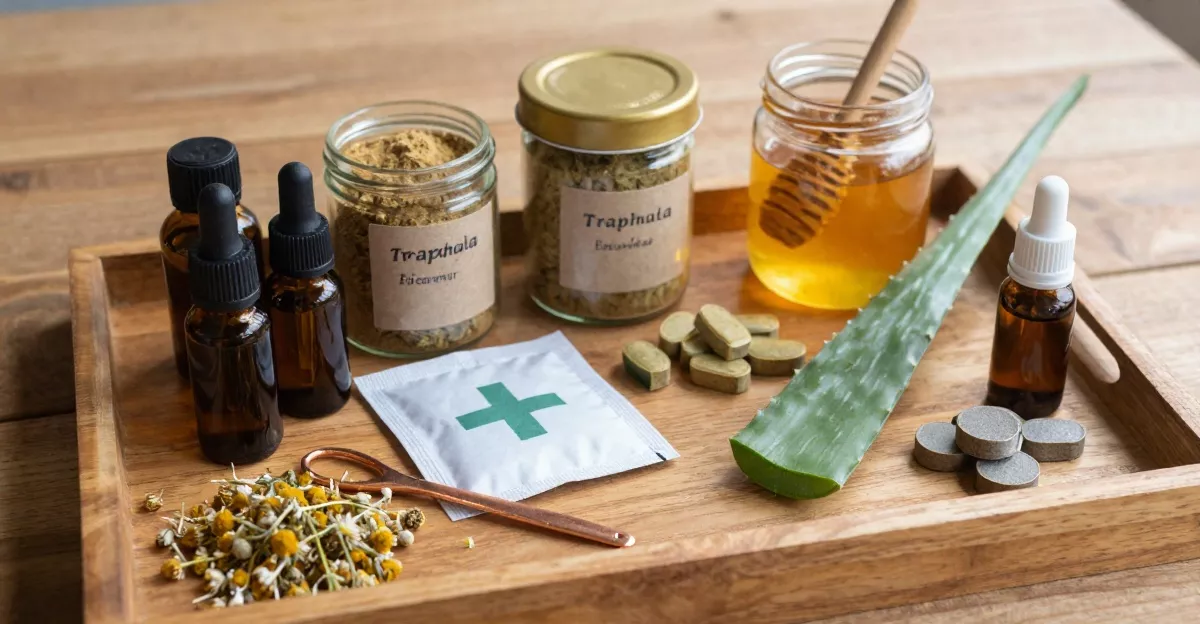
Natural remedies work best not as occasional interventions but as a consistent, intelligently designed daily practice - woven into your routine until they become as automatic as brushing your teeth.
Integrative Medicine: The Best of Both Worlds
The most intelligent approach to health in 2026 is neither blind faith in pharmaceutical medicine nor wholesale rejection of it. It is integrative medicine - the deliberate, evidence-informed combination of the best tools from both traditions.
Practical principles for intelligent integration:
- Acute and emergency care: Always pharmaceutical and conventional. Infections requiring antibiotics, medical emergencies, diagnostic imaging, surgery - do not substitute natural remedies here.
- Chronic condition management: A collaborative opportunity for integration. Conditions like type 2 diabetes, hypertension, IBS, anxiety, insomnia, and autoimmune conditions often respond well to natural interventions used alongside, not instead of, medical management.
- Preventive health: Where natural medicine is most powerful and where conventional medicine has the least to offer.
Critical herb-drug interactions to know:
- St. John's Wort significantly reduces the effectiveness of contraceptive pills, anticoagulants (warfarin), and antiretroviral drugs
- Ginkgo and high-dose garlic/ginger can potentiate blood-thinning medications
- Ashwagandha may interact with thyroid medications and immunosuppressants
- Licorice root raises blood pressure - contraindicated with antihypertensives
- Always disclose all herbal use to your treating physician.
Sourcing Quality Herbs and Natural Products in India
The Indian herbal market is both an extraordinary resource and a minefield of adulteration, mislabeling, and poor quality control. Guidelines for sourcing wisely:
- Look for AYUSH certification: The Ministry of AYUSH's quality standards provide a baseline for manufactured Ayurvedic products
- Organic certification: For regularly consumed herbs, prioritize organically certified sources to avoid pesticide residues
- Trusted Indian brands: Himalaya Drug Company, Dabur (for classical formulations), Kerala Ayurveda, Kama Ayurveda (for topical products), and Organic India have established quality reputations
- Whole herb vs extract: For supplements, standardized extracts (ashwagandha KSM-66, Brahmi Bacopa extract to 20% bacosides) offer more consistent therapeutic dosing than powdered whole herb
- Growing your own: Tulsi grows effortlessly on any Indian balcony or windowsill. Aloe vera requires minimal care. Ginger and turmeric can be grown in pots. Curry leaf, pudina (mint), and lemongrass are equally simple - a small healing garden that costs almost nothing.
Creating Your Daily Holistic Health Ritual
Morning (Activation + Immunity):
- Wake, tongue scrape, drink warm water with lemon/ginger
- 10 minutes of sunlight exposure
- Oil pulling (if practicing Dinacharya) - 10 minutes while preparing breakfast
- Tulsi + ginger tea
- Ashwagandha or adaptogen supplement with breakfast
Daytime (Maintenance + Protection):
- Mindful, warm, home-cooked lunch with turmeric and ginger incorporated
- Peppermint or brahmi tea in the afternoon
- Brief movement break - even 10 minutes of walking
Evening (Restoration + Sleep Preparation):
- Warm dinner, lighter than lunch
- Cinnamon tea after dinner for blood sugar stabilization
- Abhyanga (feet and scalp minimum) with warm sesame oil
- Chamomile + ashwagandha tea
- Digital sunset 60 minutes before bed
- Bhramari pranayama - 5 minutes before sleep
Your Natural Remedy First Aid Kit
Every Indian home should have these 15 natural essentials:
- Ashwagandha (KSM-66 capsules or powder)
- Triphala powder
- Tulsi dried leaves or fresh plant
- Raw, unprocessed honey (local sourcing preferred)
- Dry ginger powder and fresh ginger root
- Turmeric powder (and black pepper to pair with it)
- Neem oil (cold-pressed)
- Aloe vera plant (or pure gel)
- Fennel seeds (saunf)
- Chamomile tea bags
- Cold-pressed sesame oil (for Abhyanga)
- Castor oil (for joint pain, hair, and constipation)
- Eucalyptus essential oil (for steam inhalation)
- Amla powder or dried amla
- Magnesium glycinate (supplement)
Storage guidelines: Most dried herbs maintain potency for 1-2 years in airtight, dark glass containers away from heat and moisture. Fresh herbs (tulsi, ginger, aloe) are most potent - grow or source weekly. Oils: store in dark bottles, use within 12 months of opening.