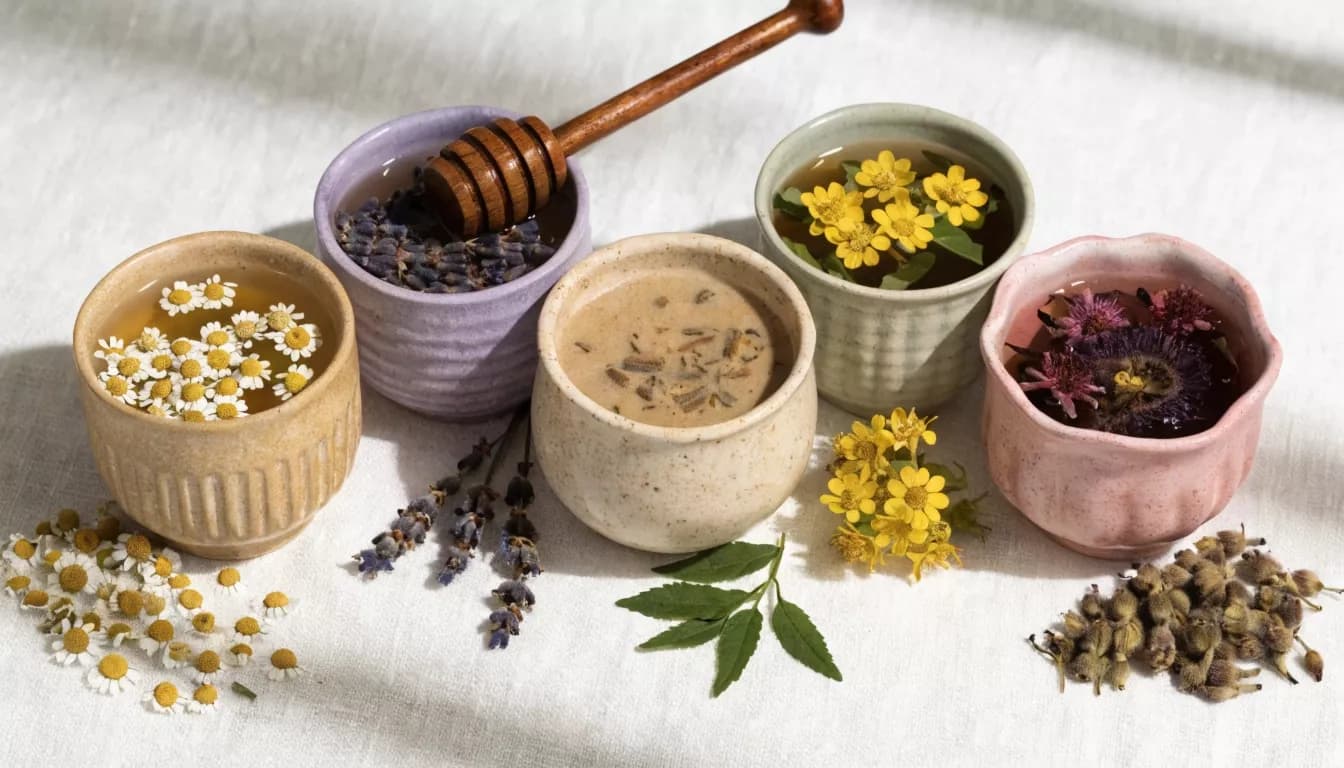
There is something that happens when you wrap both hands around a warm cup of tea. Before you have taken a single sip - before any active compound has reached your bloodstream - something in the nervous system already begins to shift. The warmth, the ritual, the deliberate pause in the day: these things are not nothing. They are the beginning of the transition from sympathetic to parasympathetic - from alert and reactive to calm and present.
But the best herbal teas do considerably more than provide a comforting ritual. The plants used in traditional calming blends contain pharmacologically active compounds - apigenin, linalool, withanolides, chrysin, rosmarinic acid - that interact with neurotransmitter systems, modulate the stress hormone axis, and produce measurable reductions in anxiety and cortisol. This is not folk mythology dressed in wellness language. It is chemistry. And for centuries, healers across India, China, Europe, and the Americas understood it intuitively long before the laboratory caught up.
Here are the five most effective herbal teas for anxiety and stress relief - with the science behind each one.
1. Chamomile - The Gold Standard of Calming Herbs
If there is a single herb that has earned its reputation most thoroughly in the clinical literature, it is chamomile. What your grandmother brewed for you when you couldn't sleep turns out to be remarkably well-justified by modern pharmacology.
Chamomile's primary active compound is apigenin - a flavonoid that binds to benzodiazepine receptors on GABA-A complexes in the brain. This is the same receptor site targeted by pharmaceutical anti-anxiety medications like diazepam - but apigenin's binding is gentler, producing mild sedation and anxiolytic effects without the dependence risk or cognitive blunting associated with prescription benzodiazepines.
A comprehensive systematic review published in PMC (National Library of Medicine) in 2024 analyzed 10 clinical studies on chamomile and anxiety - and found that 9 out of 10 studies confirmed chamomile's effectiveness in reducing anxiety symptoms across multiple populations, including people with Generalized Anxiety Disorder, postmenopausal women, and individuals experiencing sleep-related anxiety. Long-term chamomile use was associated with improved psychological well-being, better blood pressure profiles, and no threatening side effects.
The Sleep Foundation recognizes chamomile as one of the most evidence-backed herbal sleep and relaxation aids available - and for good reason. It works not through sedation but through nervous system modulation: gently reducing the hyperarousal that prevents sleep and sustains anxiety.
How to brew it: Steep 1-2 teaspoons of dried chamomile flowers (or a quality teabag) in hot water (not boiling - 90°C) for 5 minutes. Drink 30-45 minutes before bed or during a mid-afternoon stress peak. For maximum therapeutic effect, consume consistently over 4-8 weeks rather than only in acute moments of anxiety.
Indian context: Chamomile is widely available across India in both loose dried flower form and branded teabags (Organic India, Himalaya, and Vahdam all carry quality chamomile products). It blends beautifully with a small amount of raw honey and a pinch of cardamom.
Deep Dive
To dive deeper into this topic, read our comprehensive guide: The Everyday Guide to Natural Remedies & Holistic Healing
2. Lavender - Nature's Stress Softener
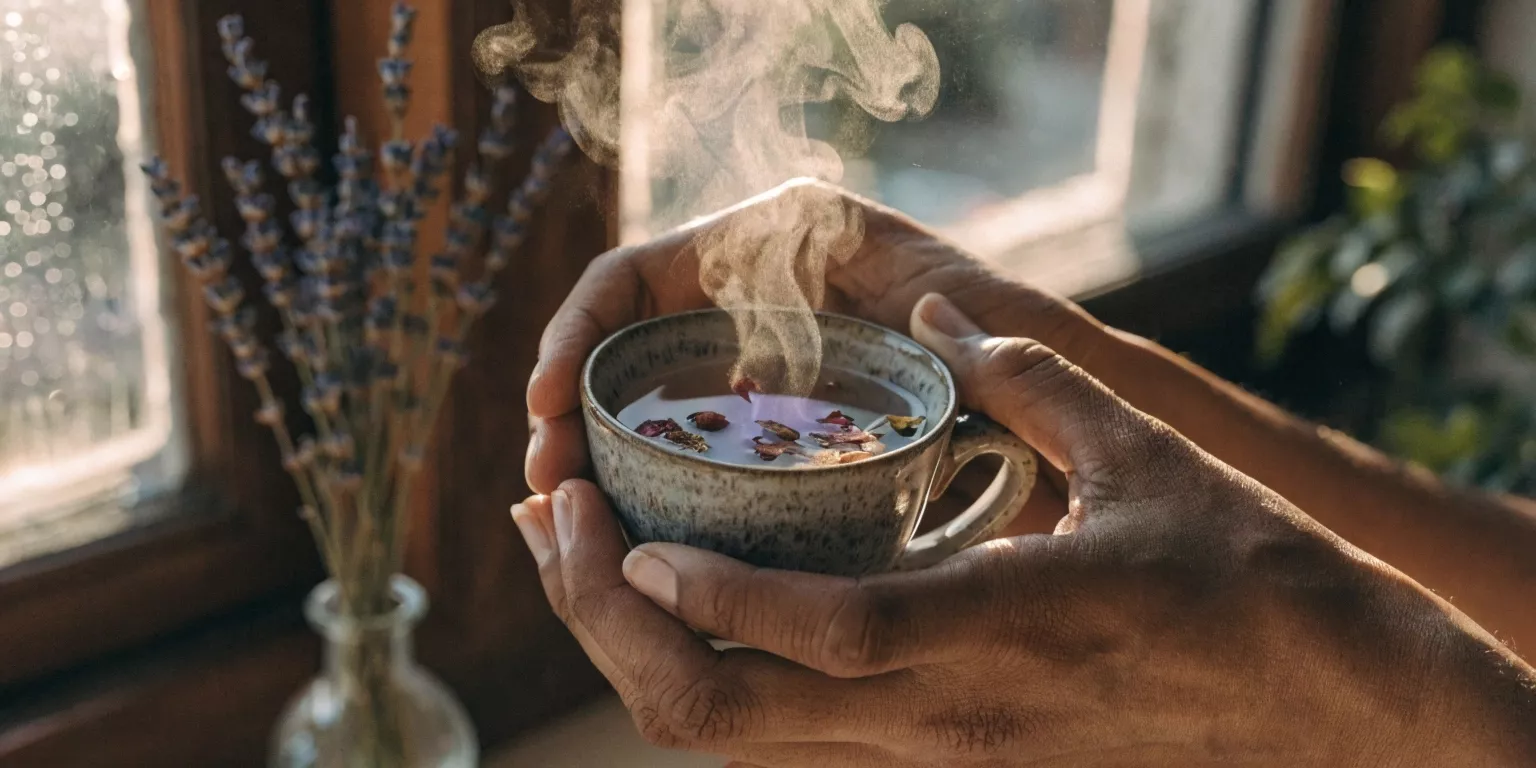
Most people associate lavender with scent - aromatherapy, pillow sprays, essential oils. What fewer people know is that oral lavender consumption - drinking lavender tea - has its own distinct and well-researched pharmacological profile that is entirely separate from its aromatic benefits.
The primary active compounds in lavender - linalool and linalyl acetate - modulate serotonin receptors and inhibit voltage-gated calcium channels in neurons, reducing excitatory nerve transmission and producing anxiolytic effects comparable in some studies to pharmaceutical anxiolytics. A clinical-grade oral lavender preparation called Silexan (80mg daily) has been studied in multiple European RCTs and shown to significantly reduce Generalized Anxiety Disorder symptoms with minimal side effects - but brewed lavender tea, while less concentrated, activates the same underlying mechanisms.
A clinical study published in PubMed found that lavender herbal tea produced significant reductions in both anxiety and depression scores in elderly participants over two weeks of daily consumption - concluding that it is "inexpensive and accessible" and warrants use as a complementary treatment alongside conventional approaches. According to Medical News Today, lavender is among the most evidence-supported herbs for anxiety relief, particularly for individuals whose anxiety manifests with physical symptoms like restlessness, heart palpitations, and sleep disruption.
How to brew it: Use 1 teaspoon of dried culinary lavender buds per cup - not lavender essential oil, which is not safe for oral consumption. Steep in 90°C water for 5-7 minutes. The flavor is floral and slightly sweet - it pairs exceptionally well with chamomile for a combined apigenin + linalool effect that addresses both the GABA and serotonin pathways simultaneously.
Caution: Lavender can interact with sedative medications and central nervous system depressants. If you are on prescribed medication for anxiety or sleep, consult your physician before adding lavender tea to your routine.
3. Ashwagandha Tea - The Adaptogen India Already Knows
Ashwagandha (Withania somnifera) needs no introduction in Indian households - it has been a cornerstone of Ayurvedic medicine for over 3,000 years, prescribed for everything from fatigue and stress to cognitive decline and hormonal balance. What is relatively new is the volume of rigorous clinical research confirming what traditional practitioners understood intuitively.
Ashwagandha is classified as an adaptogen - a compound that helps the body adapt to stressors by modulating the HPA (hypothalamic-pituitary-adrenal) axis, the primary stress response system. Its active compounds, the withanolides, measurably reduce cortisol - the primary stress hormone - while supporting GABA receptor activity and reducing inflammatory markers associated with chronic stress.
A 2019 study of 60 participants with mild anxiety, reviewed by Medical News Today, found that 240mg of ashwagandha daily for 60 days produced significant reductions in anxiety measures compared to placebo. A separate trial using 600mg daily found significantly reduced stress levels and improved quality of life - though lower doses showed more modest effects. The KSM-66 and Sensoril standardized extracts have the strongest clinical evidence, but traditional ashwagandha root tea brewed from whole dried root delivers the same core compounds in a gentler, more bioavailable form than capsules for many people.
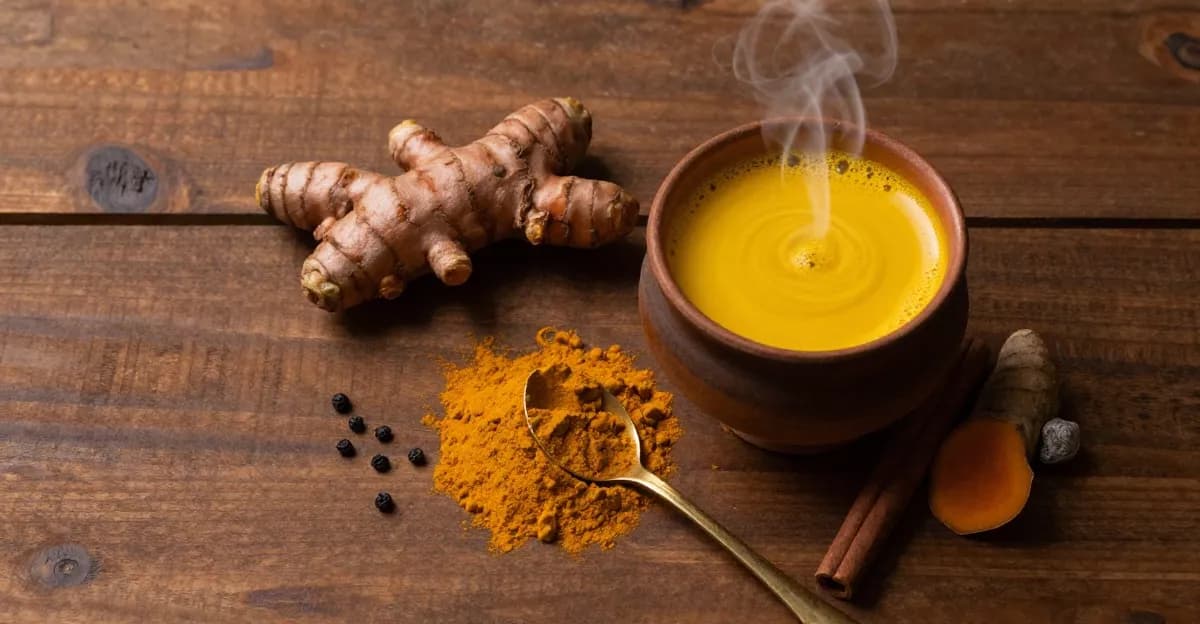
How to brew it: Simmer ½ teaspoon of ashwagandha root powder in 250ml of whole milk or water for 10-15 minutes. Add raw honey, a pinch of black pepper (increases bioavailability of withanolides), and cardamom. This preparation - essentially a simplified version of traditional ashwagandha ksheerapaka - is one of the most pharmacologically effective ways to consume the herb. Drink at night, as it has mild sleep-promoting properties alongside its anxiolytic effects.
4. Passionflower - The Underrated Nervine
Passionflower (Passiflora incarnata) is less famous than chamomile or lavender but arguably more pharmacologically interesting - and among the most directly anxiety-specific herbs in the natural medicine toolkit.
Passionflower contains chrysin - a flavonoid that, like apigenin in chamomile, binds to GABA-A benzodiazepine receptors - along with several alkaloids that together produce what herbalists call a nervine effect: a direct calming of an overexcited nervous system. The plant also appears to gently increase GABA levels in the brain, reducing neural excitability and producing sedation without the cognitive impairment associated with pharmaceutical GABAergic drugs.
Most remarkably, a 2001 clinical trial compared passionflower extract directly to oxazepam - a conventional benzodiazepine tranquilizer - in adults with Generalized Anxiety Disorder. Passionflower performed equivalently to the pharmaceutical drug in reducing anxiety symptoms, with significantly fewer reported side effects, particularly impairment of job performance. This remains one of the most striking head-to-head comparisons between a herbal remedy and a pharmaceutical anxiolytic in the clinical literature.
How to brew it: Steep 1-2 teaspoons of dried passionflower herb in boiling water for 10 minutes. The flavor is mild and slightly grassy - it pairs well with lemon balm and a small amount of honey. Drink one cup in the evening, approximately one hour before bed. Passionflower is available from Ayurvedic and herbal suppliers across India, increasingly in organic form.
Note: Due to its potency as a GABA modulator, passionflower should not be combined with sedative medications, alcohol, or other calming herbs in large quantities.
5. Lemon Balm - The Cortisol Quieter
Lemon balm (Melissa officinalis) is a member of the mint family with a gentle, citrus-like fragrance and a well-documented effect on the nervous system that is both rapid and pronounced. It is one of the few herbs with clinical evidence for reducing cortisol levels directly - making it particularly valuable for stress-driven anxiety rather than purely psychological anxiety.
The primary mechanism: lemon balm contains rosmarinic acid, which inhibits the enzyme that breaks down GABA - effectively increasing GABA availability in the brain by preventing its degradation. This is a different mechanism from the GABA receptor binding of chamomile and passionflower - and the two approaches can work synergistically, which is why lemon balm is so frequently blended with other calming herbs.
Clinical trials have shown lemon balm reduces symptoms of stress, anxiety, restlessness, and irritability - with effects observed even from single doses. Combined with valerian root, it has particularly strong evidence for insomnia relief. A 2014 study found that a standardized lemon balm preparation reduced anxiety symptoms in adults by 18% and insomnia by 42% over 15 days of use.
How to brew it: Steep 1-2 tablespoons of fresh lemon balm leaves (or 1 teaspoon dried) in hot water for 5-10 minutes. Fresh lemon balm is easily grown in a pot on an Indian balcony - it thrives in warm conditions and is one of the most rewarding herbs to grow at home. The flavor is bright, gently lemony, and pleasant enough to drink without sweetener. For maximum cortisol-reducing effect, drink one cup in the afternoon when the post-lunch stress spike typically peaks, and a second cup one hour before bed.
A Note on Quality, Safety, and Consistency
The effectiveness of every herb on this list depends significantly on quality and consistency. A low-grade chamomile teabag from a generic brand contains dramatically less apigenin than whole dried chamomile flowers from a quality supplier - the difference between a pleasant drink and a therapeutically meaningful one.
General guidelines for herbal tea safety:
- Consult your physician if you are pregnant, breastfeeding, or taking prescription medications - several of these herbs interact with sedatives, antidepressants, and blood thinners
- Allow 4-6 weeks of consistent daily use before evaluating effectiveness - herbal adaptogens and anxiolytics work cumulatively, not acutely
- Herbal teas complement, but do not replace, professional treatment for clinical anxiety disorders. If your anxiety significantly impairs daily functioning, please refer to the guidance in the National Institute of Mental Health's anxiety resources alongside natural approaches
The body responds to consistency and quality. Choose one or two of these teas, source them well, brew them properly, and drink them regularly - and let the chemistry do what it has been doing, reliably, for thousands of years.