
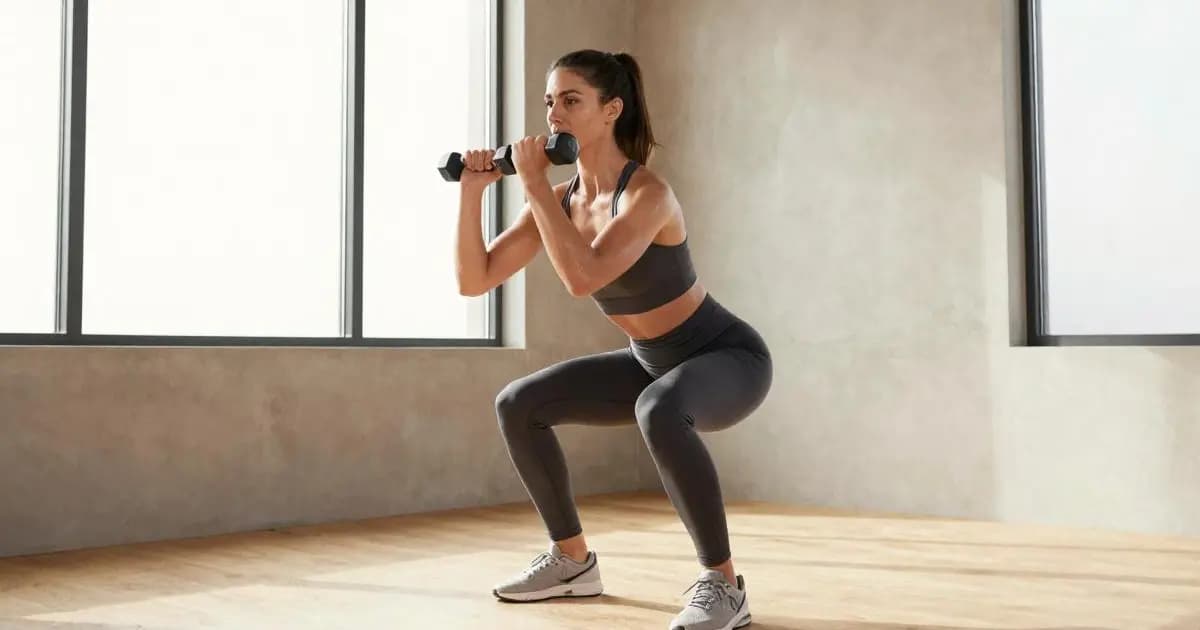
Embracing the fast-paced world of 2026, fitness enthusiasts are gravitating towards more efficient workout routines. A key trend is the 10-minute dumbbell HIIT circuit, the optimal blend of strength and cardio that promises fitness gains without the time investment traditional workouts demand. This style of exercise capitalizes on the accessibility and effectiveness of dumbbells to deliver high-intensity sessions that fit seamlessly into busy schedules and limited spaces.
The beauty of incorporating dumbbell HIIT circuits into your routine lies in their versatility. Whether you're targeting explosive strength, calorie burn, or overall fitness, this type of workout meets various fitness goals. What's more, they're perfectly suited for compact home gyms, providing a robust workout framework while sidestepping the need for bulky equipment.
At the core of this trend is the principle of maximizing effort in minimal time. By utilizing compound exercises, such as thrusters, rows, and squats, you'll engage multiple muscle groups in a single movement. This not only strengthens your muscles but also ramps up cardiovascular activity, making every second of your workout count.
Understanding the Appeal of Dumbbell HIIT Circuits
Dumbbell HIIT circuits have garnered attention largely due to their efficiency. According to research from Harvard, completing a series of compound exercises with dumbbells allows for full-body engagement in a mere 10-minute window. This is achieved through a strategic setup: performing exercises like thrusters and rows for a set period, followed by short rest intervals.
Another alluring aspect is the flexibility of these workouts. You can adapt the intensity and selection of exercises depending on your fitness level and goals. This adaptability makes dumbbell HIIT circuits accessible to both beginners and advanced athletes, fostering a scalable and sustainable fitness habit. For those new to the practice, starting with a single dumbbell and a few exercises can significantly improve strength and endurance.
Furthermore, as a hybrid form of strength and cardio training, dumbbell HIIT circuits offer the dual benefits of muscle building and fat burning. Such intense, brisk workouts drive heart rates into their optimal zones, thus enhancing cardiovascular health while sculpting the body. This approach particularly appeals to those keen on avoiding monotonous cardio routines, offering a refreshing alternative that keeps engagement levels high.
Deep Dive
To dive deeper into this topic, read our comprehensive guide: The Beginner's Blueprint to Fitness, Strength & Active Recovery
The Science Behind the Efficacy
The efficiency of dumbbell HIIT circuits is reinforced by compelling scientific backing. A 2026 Harvard-recommended routine highlights how a combination of compound exercises and intermittent rest periods ensures a comprehensive workout. This method not only targets major muscle groups but efficiently boosts metabolism, allowing for calorie burning even post-exercise.
Research into muscle hypertrophy reveals a fascinating insight: performing lighter weights to fatigue can parallel the effects of heavier weights, supporting the viability of these quick sessions for muscle growth. By demanding maximal effort during each set, the body is pushed to adapt and strengthen, irrespective of the weight being lifted.
Moreover, studies suggest that brief, vigorous exercise injects substantial cardiovascular benefits, even more so when integrated into a HIIT format. The short, intense bursts characteristic of HIIT are shown to outstrip traditional methods in improving cardiovascular efficiency and metabolic health. This makes them an appealing choice for home gym enthusiasts who seek results with minimal time investment.
Practical Application: Structuring a Dumbbell HIIT Circuit
Building your dumbbell HIIT circuit involves selecting exercises that collectively provide a full-body workout. Begin with three compound exercises like thrusters, squats, and bent-over rows. This combination ensures major muscle groups are targeted effectively.
A suggested structure might include performing each exercise for 45 seconds, followed by a 15-second rest, and repeating the cycle for a total of three rounds. As your fitness level improves, you can increase the weight or the number of rounds for added challenge. As noted by Harvard's protocol, adjusting load and rep count tailors the workout to your evolving capabilities.
Remember, the key to success with HIIT is high intensity. Ensure that each set is performed at your maximum effort level. This can involve integrating movements like single-arm thrusters or lunges, which further enhance the challenge and efficacy.
How to Ensure Success: Tips and Considerations
To get the most out of your 10-minute HIIT circuit, focusing on proper form is crucial. Maintaining the correct technique not only prevents injury but also maximizes the effectiveness of each exercise. Employing a mirror or recording yourself can be helpful strategies to self-assess and improve.
Progression is another important aspect. As you build strength and endurance, gradually increase dumbbell weight or extend your workout duration. This progression ensures continuous challenge and adaptation, pivotal for ongoing improvements and cardiovascular benefits.
Finally, frequency matters. Incorporating these circuits two to three times a week offers substantial fitness gains while allowing adequate recovery. The latest hybrid training trends emphasize balanced involvement to prevent overtraining and optimize health outcomes.
FAQs
What equipment is needed for 10-minute dumbbell HIIT circuits? Only a pair of dumbbells is essential. These allow for a variety of exercises targeting all major muscle groups, making the workout both versatile and effective.
How do you structure a 10-minute HIIT workout with dumbbells? A well-structured workout includes selecting compound exercises, setting a work/rest ratio, and maintaining high effort levels, typically working for 45 seconds with 15 seconds of rest.
Can beginners do 10-minute dumbbell HIIT workouts? Absolutely. Beginners can start with lighter weights and fewer rounds, gradually increasing as their fitness improves. The workouts are scalable to any ability level.
How often should you do 10-minute HIIT circuits for strength and cardio? Performing these circuits two to three times weekly is optimal for gaining strength and improving cardiovascular health while ensuring adequate rest.
Is a single dumbbell enough for HIIT circuits? Yes, a single dumbbell can be utilized for various exercises, especially for beginners or those with limited equipment, making these workouts highly adaptable.