
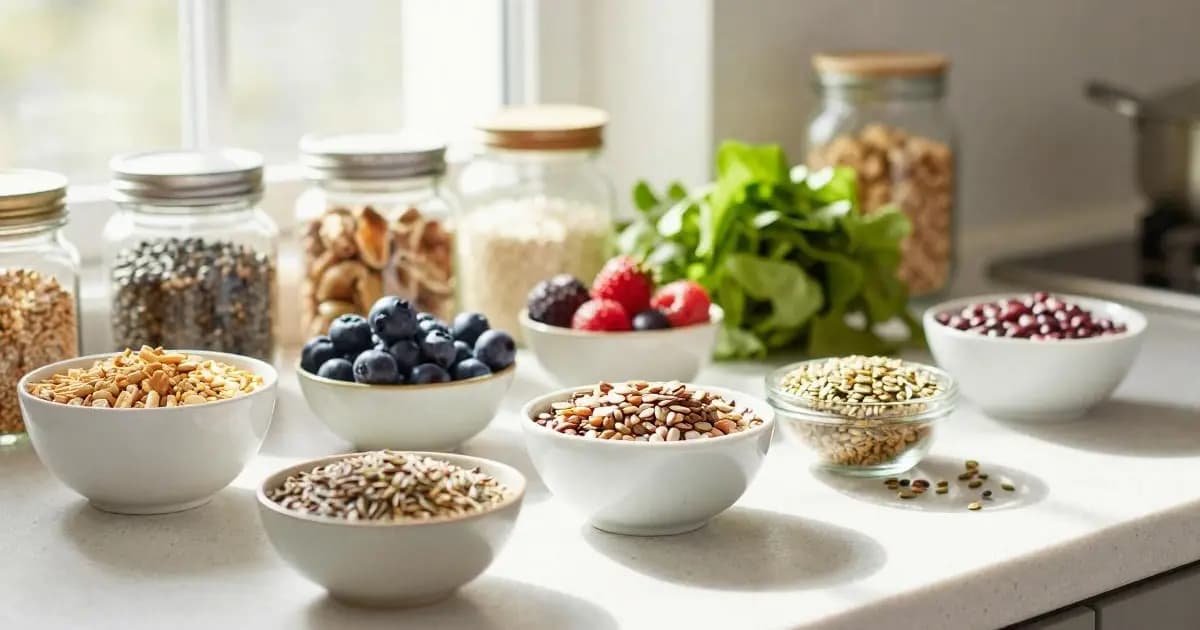
In the bustling health arena of 2026, a resurging dietary trend known as fibermaxxing is capturing the attention of those eager to optimize their health. It's all about taking fiber intake to the next level, beyond mere standards, by thoughtfully incorporating ample amounts and diverse types of dietary fiber into daily meals. This comprehensive approach promises not only enhanced gut health but also improved satiety, weight management, and overall well-being.
Fiber is a cornerstone of health, playing a crucial role in maintaining digestive health and promoting regularity. By increasing fiber intake, there are added benefits such as lowering cholesterol, controlling blood sugar levels, and reducing the risks of chronic diseases. Moreover, recent research suggests that a high-fiber diet can significantly impact mental health by nurturing a healthy gut-brain axis.
The science behind fibermaxxing is not new. However, the focus on specific fiber types and sources is evolving, reflecting our growing understanding of fiber diversity and its role in comprehensive health benefits. This article dives into ten proven techniques to seamlessly weave this principle into your life, ensuring you reap all its potential benefits.
The Fibermaxxing Basics
Capitalizing on fibermaxxing requires a shift from simply meeting daily fiber recommendations to strategically filling your diet with both soluble and insoluble fibers. Each type serves unique functions: soluble fiber helps slow digestion and stabilizes blood sugar, while insoluble fiber aids in moving food through the digestive system and preventing constipation.
The Dietary Guidelines for Americans recommend that adults aim for a daily intake of 22-34 grams of fiber, with specific targets based on age, gender, and total calorie consumption. Ensuring around 1/3 of this is soluble fiber can greatly enhance gut health and satiety.
Instead of focusing solely on quantity, fibermaxxing emphasizes variety. A diverse fiber intake, sourced from various plant-based foods, is more beneficial for the gut microbiome than large amounts from a single type. This strategy not only supports digestive health but also underpins immune function and may even improve mood.
Deep Dive
To dive deeper into this topic, read our comprehensive guide: The Ultimate Guide to Science-Backed Nutrition & Gut Health
1. Prioritize Whole Foods
One of the most efficient strategies to boost fiber intake is to fill your plate with whole, minimally processed foods. Whole grains, fruits, and vegetables are inherently high in fiber and deliver essential nutrients that are often lost in processed foods.
Consider quinoa, brown rice, and whole oats over their refined counterparts. Fruits like apples, with their skins, and vegetables like sweet potatoes, contribute substantially to your daily fiber intake, offering both soluble and insoluble fiber.
Whole foods not only provide fiber but also are lower in added sugars and unhealthy fats, making them an ally in weight management. By displacing higher-calorie foods, they help maintain a healthy weight while promoting satiety.
2. Integrate Prebiotic Fibers
Prebiotics are a particular class of fiber that function as food for beneficial gut bacteria. Incorporating prebiotic-rich foods like onions, garlic, and bananas fosters a healthy microbiome. A vibrant microbiome enhances digestive health and can even improve immune function.
Notably, the regulation of blood sugar is linked to prebiotic consumption. By improving glucose metabolism, they play a role in diabetes prevention and management, supporting overall health in the long run.
These prebiotics have also been associated with reduced inflammation and stress responses, suggesting their potential role in enhancing mental well-being.
3. Gradually Increase Fiber Intake
To thrive on a high-fiber diet, it's crucial to increase fiber consumption gradually. Rapid increases can lead to digestive discomfort, such as bloating or gas, as your body adapts to processing more fiber.
A practical approach is to add one fiber-rich food to your diet every few days. For instance, start with an extra serving of beans or a fiber-rich cereal. Over a few weeks, this gradual increase allows your gut to adjust smoothly.
Hydration is equally important. Fiber works optimally in conjunction with adequate fluid intake, helping prevent digestive issues like constipation, which can occur if the body isn't adequately hydrated.
4. Diversify Your Fiber Sources
Diversifying the sources of fiber can amplify its health benefits. While grains and vegetables might be your go-to options, adding legumes, nuts, and seeds to your meals introduces different types of fiber into your diet.
Eating a range of fiber types feeds various kinds of beneficial bacteria in your gut, thereby promoting a balanced and diverse microbiome. Each plant type offers prebiotic fibers that encourage the growth of different probiotic strains.
Research indicates that this diversity not only improves digestive function but also supports mental health and enhances the body’s immune response.
5. Leverage Supplements Wisely
Despite best efforts, meeting daily fiber goals can be challenging-this is where fiber supplements come in handy. Products such as psyllium husk and inulin powders can be easily mixed into meals to enhance fiber content.
However, supplements should not replace a varied diet. They work best when used to complement whole foods, particularly in supporting those with higher fiber requirements or specific dietary restrictions.
When choosing a supplement, pay attention to its fiber composition and ensure it includes both soluble and insoluble fibers. This balance supports optimal digestive health and maintains satiety levels.
6. Incorporate Soluble and Insoluble Fibers
Both soluble and insoluble fibers are crucial for digestive health. Soluble fiber’s ability to form a gel-like consistency in the gut helps slow digestion and control blood sugar levels. It’s found richly in foods like oats, apples, and citrus fruits.
In contrast, insoluble fiber adds bulk to stool, promoting regular bowel movements and preventing constipation. This type can be sourced from whole-wheat products, nuts, and a variety of vegetables.
By including a balance of these two types of fiber in your diet, you can ensure comprehensive digestive support and maintain effective appetite control.
7. Beware of Overdoing It
While fibermaxxing has numerous health benefits, exceeding recommended amounts without proper balance can lead to gastrointestinal issues such as constipation, bloating, or diarrhea. Therefore, balance and moderation are key.
As noted, gradual increases are safer than sudden spikes. Begin with a small increase and monitor how your body responds. If adverse symptoms persist, consider consulting a nutritionist to tailor a fiber-intake strategy suited to your individual needs.
Some individuals may require more precise fiber adjustments due to conditions like IBS or other digestive disorders, where professional guidance can prevent discomfort.
8. Harness the Power of Beans
Beans are a treasure trove of fiber and offer a spectrum of health benefits beyond digestion. They are highly versatile in the kitchen and can fit into a variety of dishes, from soups to salads and tacos.
Most beans, including black beans, lentils, and chickpeas, provide an ideal fiber mix, supporting both glad bowel motions and stable energy levels. They are also protein-rich, making them an excellent meat alternative for vegetarians looking to boost fiber intake.
Regular bean consumption is associated with improved heart health due to their capability to lower cholesterol levels and minimize systemic inflammation.
9. Apples: A Daily Fiber Boost
An apple a day might do more than keep the doctor away. Apples are not only delicious and convenient but also pack a significant fiber punch, particularly when consumed with the skin.
Including apples in everyday meals provides soluble fiber, specifically pectin, known for its benefits in supporting gut health and extending the feeling of fullness after meals.
Moreover, apples are rich in antioxidants that complement their fiber content, promoting heart health and potentially aiding in weight management through improved metabolic profiles.
10. Smart Snacking
One of the simplest methods to increase your fiber intake is to replace highly processed snacks with wholesome alternatives. Opt for snacks like air-popped popcorn, which is surprisingly high in fiber, or a handful of almonds.
Greek yogurt with berries offers a combination of protein and prebiotic fiber, creating a synergy that not only satisfies hunger but also fosters a healthier gut environment.
These smart snack choices contribute to a balanced fiber intake, ensuring you're consistently supporting digestive health without the sudden spikes or drops often associated with high-sugar or high-fat snacks.
FAQs
What is fibermaxxing? Fibermaxxing refers to optimizing your diet by increasing and diversifying fiber intake strategically, focusing on both quantity and quality to enhance gut health and satiety.
What are the benefits of fibermaxxing for gut health? Benefits include improved digestive health, enhanced bowel regularity, supported gut flora diversity, and reduced risks of chronic diseases, such as diabetes and obesity.
Which foods are high in fiber? High-fiber foods include whole grains, legumes, fruits (especially those with skin), vegetables, nuts, and seeds. These foods deliver a variety of fibers essential for health.
How to safely increase fiber intake? It’s important to gradually introduce more fiber into your diet while ensuring adequate water intake. Start with adding one high-fiber food to your meals every few days.
Does fiber help with blood sugar control? Yes, particularly soluble fibers slow down digestion, leading to a gradual release of glucose into the bloodstream, thus aiding in better blood sugar management.