
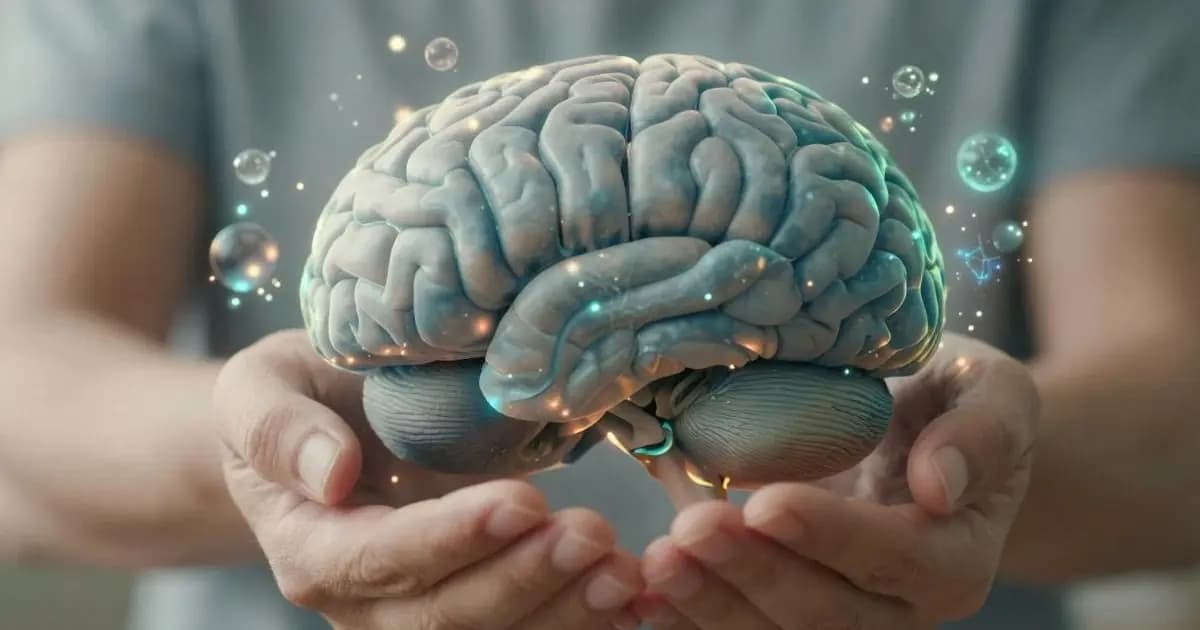
The brain, an intricate marvel, becomes susceptible to various insults as we age, including radiation damage that can accelerate neurodegeneration. Mesenchymal stem cell (MSC) secretome is shedding new light on potential therapies to repair these radiation-induced wounds. The secretome is a potent concoction of growth factors, cytokines, and extracellular vesicles that MSCs release, pivotal for healing and regeneration across different tissues in the body.
Within the spectrum of brain injury, one of the most promising aspects of MSC secretome is its application in reversing radiation-induced damage. This damage can culminate in chronic and degenerative brain conditions over time. As we explore its potential, the secretome not only offers hope for slowing aging-related cognitive decline but also posits a substantial advancement in therapeutic options for brain recovery.
The Science Behind MSC Secretome
MSC secretome's effect on the brain begins with its rich mix of bioactive molecules. These molecules, including neurotrophic factors like BDNF (Brain-Derived Neurotrophic Factor) and IGF-1 (Insulin-like Growth Factor 1), are known to promote neuronal survival and regeneration. In studies, MSC secretome has shown a marked reduction in both apoptosis and autophagy in radiation-affected brain cells, reducing cell death by 30-50% (Source).
Neuroregeneration is another focal point, with secretome playing a vital role in enhancing neurite outgrowth. Research reveals that secretome increases neuritogenesis by 25-35%, leveraging its neurotrophic arsenal to assist in repairing radiation-induced neuronal loss (Source). This is crucial not only for repairing damage but also for reinstating lost neural functions.
Moreover, the anti-inflammatory properties of the MSC secretome cannot be overstated. By modulating the brain's inflammatory response, it reduces harmful cytokines by as much as 40-60%, setting the stage for healing and restoration (Source). This modulation not only fosters immediate repair but also creates a hospitable environment for sustained neural health.
Deep Dive
To dive deeper into this topic, read our comprehensive guide: The Complete Guide to Longevity, Healthspan & Anti-Aging
Mechanisms of Brain Repair
At the core of MSC secretome's efficacy in brain repair lies its multifaceted approach, capitalizing on paracrine communication to restore damaged neurons. This involves the release of key growth factors and cytokines that cross communicate with target cells to start regenerative processes. Additionally, studies have shown that secretome effectively supports mitochondrial function, preserving crucial energy production that neurons rely on (Source).
Angiogenesis, the formation of new blood vessels, is another significant mechanism facilitated by the MSC secretome. By stimulating factors like VEGF (Vascular Endothelial Growth Factor), the secretome ensures improved blood supply and nutrient delivery to the affected areas, further enhancing recovery potential and reducing ischemic conditions that could exacerbate damage.
The secretome's contributions extend to the structural reconstitution of the brain post-injury. By promoting axonal reorganization and reducing lesion volumes by 25%, the secretome speeds up sensorimotor recovery significantly, as evidenced in traumatic brain injury models (Source). These changes suggest not only potential recovery from radiation but also possible interventions for other related disorders.
Clinical Implications and Evidence
Clinical evidence highlights MSC secretome's potential for wide therapeutic application, particularly for neuroprotective and neuroregenerative purposes in age-related neurodegenerative disorders. Traditional treatments often fall short in offering substantial recovery; however, MSC secretome has shown significant promise, especially in patient populations where standard therapies show limited success.
For example, Parkinson's disease models exhibit up to 30% restoration in dopaminergic neuron density following secretome treatment, an encouraging sign for future clinical practices (Source). These findings underscore secretome's ability not only to stabilize but also reverse certain pathological conditions affecting the brain.
Moreover, in clinical trials targeting traumatic brain injuries, secretome use demonstrated a 30% improvement in neurological outcomes, suggesting its profound role in extending these benefits to conditions caused by radiation exposure and age-related neurodegeneration (Source).
Practical Application of MSC Secretome
The translation of MSC secretome from the lab to clinical settings involves several critical steps:
This transformative approach is proving advantageous over traditional cell therapies, providing a less invasive yet highly effective means of delivering therapeutic benefits directly.
FAQs
What is the MSC secretome? The MSC secretome is a collection of bioactive molecules secreted by mesenchymal stem cells, including growth factors, cytokines, and vesicles, crucial for tissue repair and regeneration.
How does MSC secretome promote brain repair? It promotes brain repair through its anti-inflammatory properties, neurotrophic factors, and stimulation of angiogenesis, effectively restoring cellular function and structure post-radiation injury.
What mechanisms does MSC secretome use for neuroprotection? MSC secretome employs paracrine mechanisms, releasing factors that reduce apoptosis, support mitochondrial function, and encourage neural survival and connectivity.
How does MSC secretome reduce inflammation in the brain? It modulates immune responses by lowering pro-inflammatory cytokines by 40-60%, creating a supportive environment for brain cell regeneration and repair.
What are the advantages of secretome over cell-based therapies? Secretome offers a non-invasive, scalable alternative, presenting reduced risk of immune rejection and broader application possibilities without the need for live cell transplantation.