
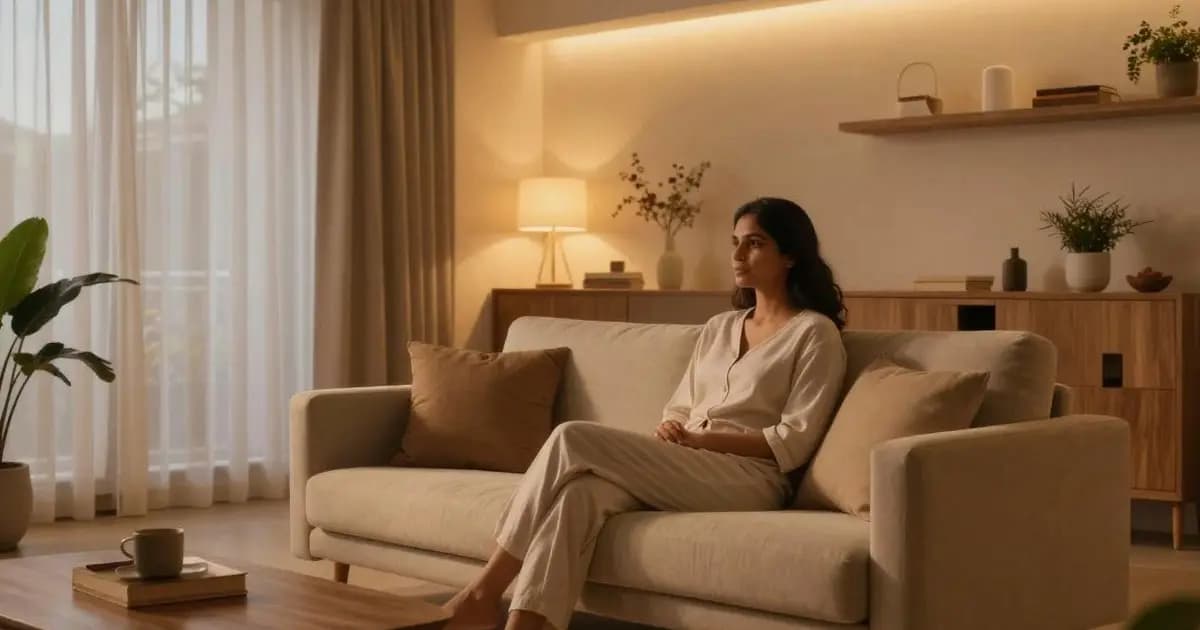
Your home is more than just a physical space; it's a reflection of your mental state and can profoundly impact your well-being. Designing your home with the intention of regulating your nervous system can lead to significant improvements in sleep and stress levels. Intentional design choices, from lighting to layout, can create an environment that fosters calm and promotes restful sleep. Imagine walking into a home that instantly envelops you with tranquility-a place where you feel anchored and at ease. This is the power of designing a home as a nervous system regulator.
Let’s embark on a journey through the elements that can transform your home into a sanctuary of peace, positively affecting your mental and physical health through simple, yet effective design strategies.
Lighting: The Foundation of Nervous System Regulation
Lighting plays a pivotal role in our body’s internal clock, known as the circadian rhythm. Soft, warm lighting has been shown to significantly enhance the regulation of the nervous system and improve sleep quality. Harsh lighting, such as fluorescent or blue-toned LEDs, can overstimulate your nervous system, making it challenging to relax and fall asleep. The key is to mimic the natural patterns of sunlight through layered lighting solutions that adapt to different parts of the day.
Daylight influences our melatonin production, a hormone crucial for sleep. By controlling light intensity and color temperature, you can align your indoor environment with natural rhythms. Consider using dimmable bulbs that allow transitions from cool lighting, which supports focus and alertness during the day, to warm lighting that aids relaxation in the evening. Smart lighting systems can automate these settings, reducing stress and supporting brain health and better sleep by mimicking natural hues.
Research has demonstrated that high-quality LED bulbs with red spectrum wavelengths can enhance brain functioning by supporting mitochondrial health-a crucial factor for overall wellness.
Deep Dive
To dive deeper into this topic, read our comprehensive guide: The Complete Guide to Healthy Habits & Intentional Living
Sound and Spatial Design
The acoustic environment of your home significantly impacts your nervous system. Constant noise, be it from traffic, household appliances, or even open spaces, can maintain your body in a perpetual state of low-level stress. Designing quieter spaces or using sound-absorbing materials can help your nervous system reset and thrive.
Incorporate soft textures like rugs, draperies, and upholstered furniture to absorb excess noise and improve acoustics. Create designated spaces for different purposes within your home. By specifying zones for activities like work, sleep, and relaxation, you relieve the stress of open-concept designs that can often seem chaotic and undefined. This intentional soundscape and spatial design can lead to a more peaceful, distraction-free environment.
Studies have shown that well-defined spaces can greatly reduce cognitive load, allowing your brain to relax and focus better on restorative activities.
Materials, Textures, and Layout
When it comes to the materials and textures integrated into your home, simplicity and nature often reign supreme in soothing the nervous system. Natural materials such as wood, wool, and linen not only improve indoor air quality but also add a comforting sensory aspect that can activate calming responses. The choice of materials can impact everything from stress levels to how easily you can switch off at the end of the day.
Curved contours and rounded furniture have a visually calming effect that reduces anxiety compared to sharp angles and geometric patterns. These gentle shapes have been linked to decreased heart rates and enhanced production of positive emotional states. Incorporating elements such as soft colors and biophilic designs with natural views can offer solace to the nervous system, subtly shifting the body towards a resting state.
Recent studies using biometric sensors indicate that rounded room shapes can lower heart rate and foster enhanced positive affective states, affirming the impact of neuroarchitecture.
Visual and Physical Organization
Organized and clutter-free spaces go a long way in reducing mental strain. Clutter can significantly increase stress levels by overwhelming the senses, leading to difficulty concentrating and potentially fueling anxiety. By clearing surfaces and incorporating smart storage solutions, you can create a clean and serene environment that allows the nervous system to relax and reset.
Decluttering does not necessarily require costly investments. It involves a sincere evaluation of the essential elements that reflect your true needs and preferences. Establish areas in your home dedicated to showcasing personal stories or interests and others that remain minimalist powerhouses of calm.
Research highlights how organized spaces can significantly reduce visual stimulation, allowing your mind to unwind.
Creating Designated Calm Spaces
Every home should have a dedicated area designed for relaxation and retreat. Whether it’s a cozy reading nook or a meditation corner, these dedicated spaces provide essential refuge and enable the nervous system to find balance amidst the chaos of daily life.
Carving out a calm spot doesn't require much space. Even a small nook with plush cushions, a warm blanket, and a selection of your favorite books can serve as a restorative retreat. The psychological impact of these designated areas offers a subliminal message to the brain: this is a safe place where stress melts away.
In 2026, neurodesign trials found that users of such spaces reported substantial improvements in emotional regulation and sleep quality, highlighting the profound impact these areas have on health.
FAQs
How can lighting affect my sleep quality? Lighting influences melatonin production, a hormone vital for sleep. Warm, dimmable lights mimic natural sunlight and assist in regulating your circadian rhythm, promoting better sleep.
What role do natural materials play in stress relief? Natural materials like wood and linen improve indoor air quality and provide sensory comfort, thereby naturally calming the autonomic nervous system.
Why should I define spaces within my home? Defining spaces for specific purposes reduces cognitive load and promotes relaxation by ensuring each area aligns with predictable, calming activities.
How do houseplants impact stress and sleep? Houseplants can decrease stress hormones and foster a sense of connection to nature, which effectively promotes a more relaxed state conducive to better sleep.
What is the impact of decluttering on stress levels? Decluttering reduces visual and mental overstimulation, allowing your nervous system to settle into a state of calm, thereby reducing stress and enhancing focus.