
In recent years, the spotlight has shifted to our guts as the epicenter of overall health and well-being. This focus has spawned a surge in interest around fiber-rich diets, manifesting most notably in the 2026 trend known as 'fibermaxxing'. This movement emphasizes the dramatic increase in dietary fiber intake to optimize gut health and, consequently, overall physical and mental health.
Fibermaxxing isn't just a buzzword; it's a response to alarming statistics about inadequate fiber consumption. Despite dietary recommendations of 22-34 grams daily, most adults fall short, a gap now being targeted by this proactive approach. As we delve into the intricacies of fibermaxxing, we uncover how it is poised to redefine nutritional habits globally, providing a potential panacea for lifestyle-related health issues.
What is Fibermaxxing?
Fibermaxxing refers to the concerted effort to maximize fiber intake in daily diets. This trend has cultivated a significant following, evident from a 9,500% surge in online engagement with fiber-related content over the past year. Such interest underscores a growing consumer recognition of fiber's pivotal role in health.
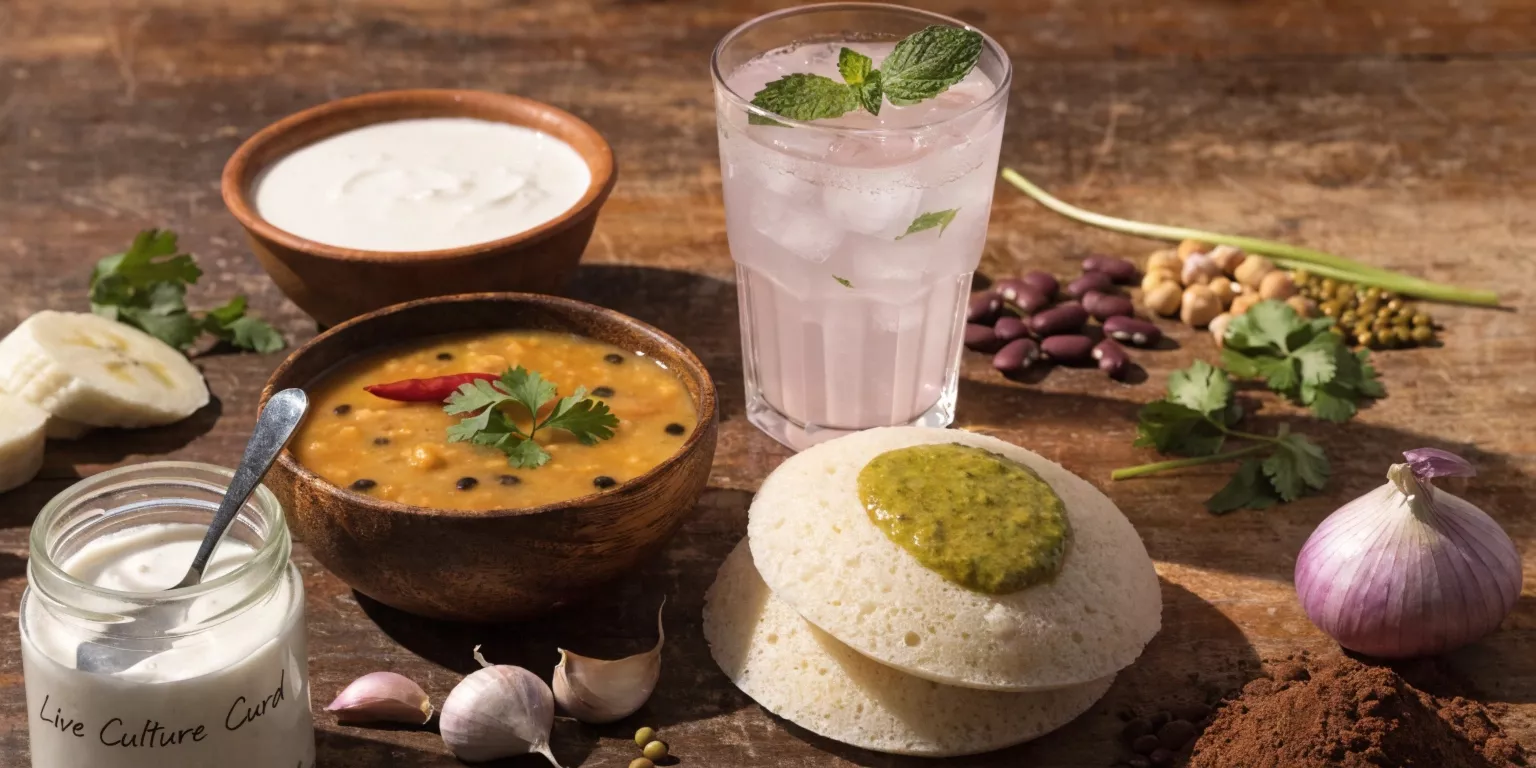
Central to fibermaxxing is the diversified consumption of fiber-rich foods like legumes, whole grains, fruits, and vegetables. These foods support the diverse needs of the gut microbiome, promoting not just digestive health but also a robust immune system and improved mental health.
The trend also highlights the intersection of nutrition and environmental awareness. By opting for plant-based, fiber-rich foods, people are also indirectly addressing concerns about sustainability and dietary impacts on environmental conservation.
The Science Behind Gut Health and Fiber
To appreciate fibermaxxing, it's crucial to understand the role of fiber in gut health. Dietary fiber acts as a prebiotic, fueling the growth of beneficial gut bacteria that are integral to our digestive and immune systems. This relationship is part of the gut-brain axis, where the microbiome influences mood, cognition, and stress through complex biochemical communication.
Emerging research reflects a remarkable 71% increase in discussions around the gut-brain axis, underlining a heightened consumer awareness of the microbiome's connection to mental health. Fibers that are particularly influential in this regard include soluble types like inulin, found in foods such as chicory root, onions, and bananas.
Consistent fiber consumption has been scientifically validated to confer various health benefits, including regulation of blood glucose, reduction in inflammation, and enhanced insulin sensitivity. Such effects are vital for reducing risks associated with chronic diseases such as heart disease and diabetes.
Practical Applications of Fibermaxxing
Incorporating fibermaxxing into your diet involves deliberate steps towards increasing fiber intake effectively and sustainably. Here’s a practical guide:
- Start Small: Gradually increase fiber intake to allow your digestive system to adapt. Begin by adding a serving of high-fiber foods like lentils or bran to your meals.
- Drink Plenty of Water: As you increase fiber, enhance hydration to assist in smooth digestion and to prevent constipation.
- Diversify Fiber Sources: Include a variety of fibers from fruits, vegetables, whole grains, and nuts to cover different fiber needs and maintain gut microbiome diversity.
- Monitor Your Body’s Response: Stay attuned to how your body responds to increased fiber and make adjustments as needed to maintain comfort and gut health.
The Role of Fiber in Environmental Health
Beyond personal health benefits, fibermaxxing aligns with a growing environmental consciousness. As concerns over microplastics mitigation rise, dietary fiber has been posited as a protective agent against these contaminants.
By 2030, fiber is anticipated to serve as a nutritional defense against microplastics exposure. As certain fibers can bind toxins and facilitate their expulsion from the body, increasing fiber intake offers a practical dietary response to environmental health threats.
European populations have notably embraced fibermaxxing, with notable dietary changes linked to microplastic concerns. Countries like Germany and France have observed significant increases in high-fiber diet adoption, reflecting a broader shift in health priorities.
FAQs
What is fibermaxxing?
Fibermaxxing is the practice of maximizing fiber intake to improve gut health and overall well-being, driven by a significant rise in consumer interest.
Is fibermaxxing a healthy trend?
Yes, it aligns with dietary guidelines and supports various health benefits, but it's important to increase fiber gradually and remain hydrated.
What are the benefits of fiber for gut health?
Fiber supports gut health by feeding beneficial bacteria, improving digestion, and reducing inflammation, affecting overall body and brain health positively.
Which foods are recommended for increasing fiber intake?
Incorporate a variety of foods such as fruits, vegetables, legumes, whole grains, and nuts, each offering different types of beneficial fibers.
How does fiber relate to microplastics?
Fiber can act as a binding agent, helping to expel toxins and contaminants, including microplastics, from the body, offering an environmental health advantage.