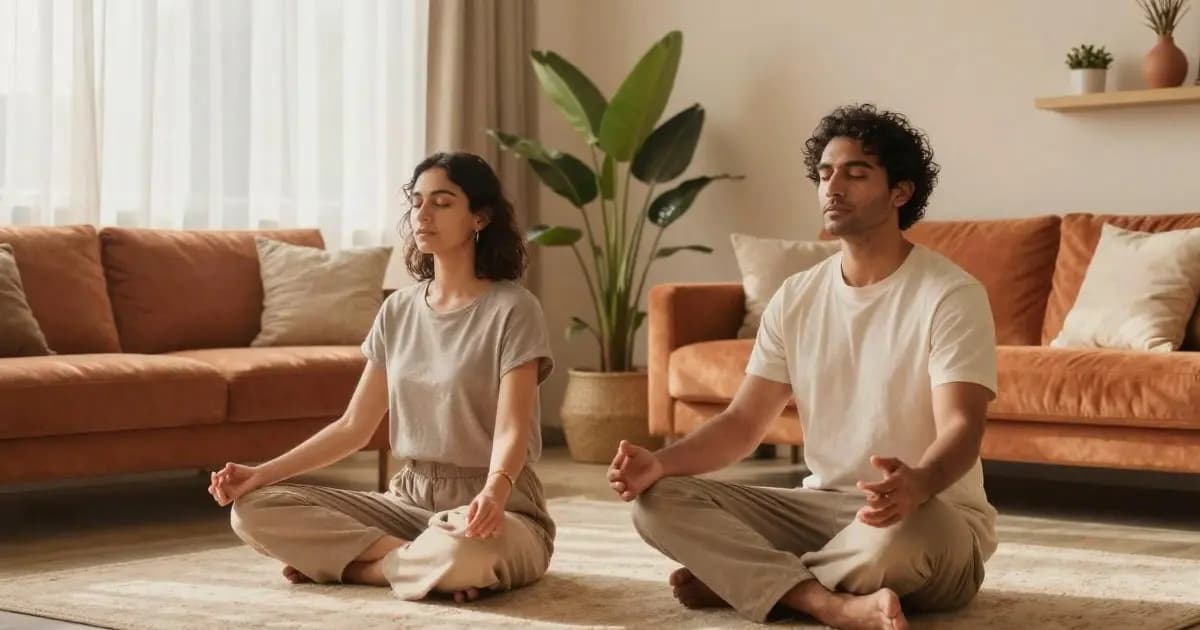
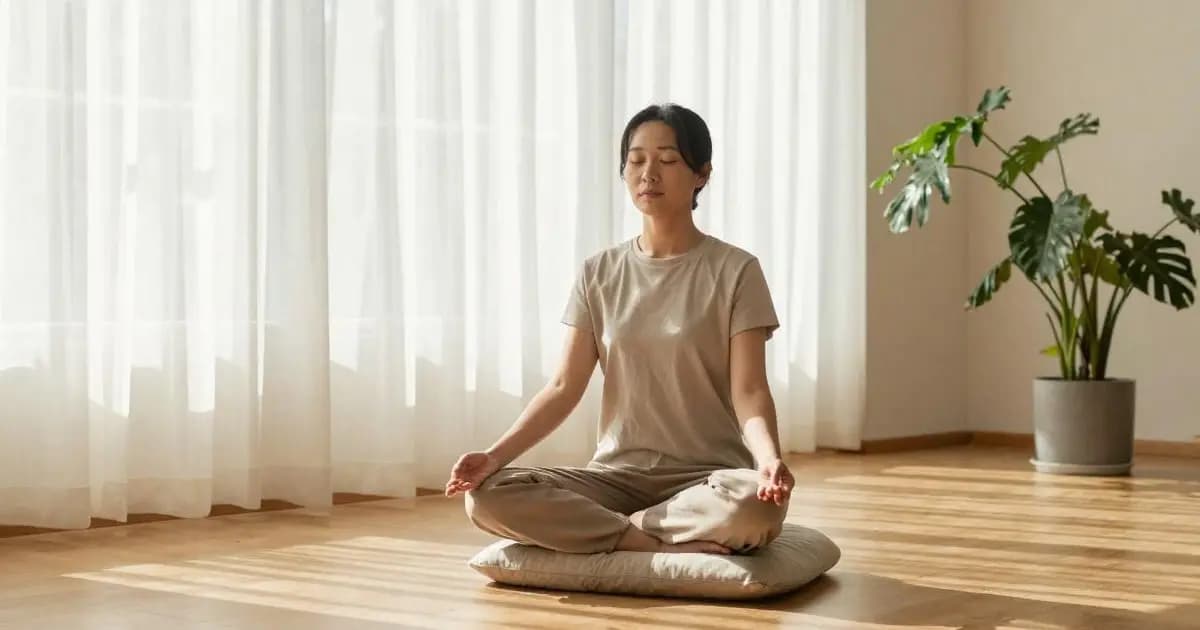
In our fast-paced modern world, the plight of a 'tired and wired' nervous system is more prevalent than ever. This term, which perfectly encapsulates the paradoxical state of chronic exhaustion coupled with an overactive mind, reflects a collective need for calm amidst chaos. We find ourselves overwhelmed by stimuli, struggling to find restful moments in our daily lives. Mindfulness practices offer a sanctuary, a means to reset an overtaxed nervous system and align ourselves with tranquility and focus.
The year 2026 marks a further evolution in mindfulness practices, building on understanding and technologies that can profoundly aid our stressed nervous systems. Current research supports the effectiveness of these practices, boasting measurable changes in the brain and body that contribute to overall health and well-being.
The Science Behind Mindfulness Practices
Mindfulness has proven to be a powerhouse for mental health, with studies highlighting its impact on the nervous system. Meditation, in particular, has been shown to activate the parasympathetic nervous system through vagus nerve stimulation. This activation helps reduce sympathetic arousal, generally considered the so-called 'fight or flight' response, while increasing heart rate variability (HRV) by up to 30% (source).
Remarkably, regular practice of mindfulness meditation increases the density of gray matter in crucial areas of the brain, such as the prefrontal cortex and hippocampus-regions associated with attention and emotional regulation. This adaptation occurs after consistent practice over as little as eight weeks, allowing practitioners to better manage stress and enhance cognitive function.
At a physiological level, mindfulness reduces cortisol levels, normalizing the hypothalamic-pituitary-adrenal (HPA) axis rhythm that governs stress responses. By lowering the prominent stress hormone by 25%, mindfulness not only improves emotional health but also supports immune and metabolic functions, vital for sustaining overall physical health under stress (source).
Practical Mindfulness Techniques for Daily Life
To effectively leverage mindfulness in managing a tired and wired nervous system, it is crucial to incorporate a variety of practices into everyday life. Here are some key techniques:
- Guided Meditation 2026: Incorporating the latest audiovisual aids, these sessions enhance focus and aid in achieving deeper meditative states faster, fostering relaxation and growth (source).
- Rhythmic Breathing: This technique consists of a set pattern, such as inhaling for four counts, holding for four, and exhaling for six. This not only calms the mind but also signals safety to the body.
- Body Scan Meditation: An effective tool for disconnecting from stress, this practice involves progressively focusing on various parts of the body, identifying areas of tension, and consciously relaxing them.
By practicing these methods consistently, you can cultivate a more harmonious balance within your nervous system, developing a robust defense against life’s stressors.
Emerging Mindfulness Trends for 2026
The progression of mindfulness practices in 2026 springs from a confluence of science, technology, and rising awareness around mental health. This era of mindfulness emphasizes the integration of biofeedback technologies where wearable devices offer real-time insights into physiological markers such as HRV and cortisol levels. These advancements enable a more personalized practice, offering individuals the data needed to tailor their stress release techniques effectively.
Additionally, the advent of somatic breathwork merges age-old practices with modern understanding. By actively engaging the vagus nerve through controlled breathing, this practice fosters significant calming effects and enhances emotional regulation, underscoring the value of somatic exercises in stress management.
Moreover, virtual guided meditation retreats have become increasingly popular, breaking geographic barriers and making comprehensive mindfulness instruction accessible to a global audience. These retreats employ technologies like virtual reality to create immersive environments that enhance the depth of meditation experiences, akin to physical retreats but with the convenience of being at one's home.
Practical Application of Mindfulness for Nervous System Reset
For those new to mindfulness, beginning a mindful journey might feel daunting. However, engaging practices can easily be integrated into a daily routine to aid in what is often termed a 'nervous system reset.'
Start by setting aside a few minutes each day in a quiet space. Use body scan meditation as a foundational practice to be aware of stress and systematically release tension. Over time, gradually increase the duration of these sessions as you become more comfortable and familiar with the process.
Incorporate self-compassion practices by addressing negative self-talk with kindness and understanding. Acknowledge the typical stressors in life but approach them from a perspective of nurturing rather than criticism.
End your day with a form of rhythmic breathing that implements longer exhales. This approach has roots in signaling safety to the biological system, which boosts relaxation and prepares the body for restful sleep-a cornerstone of effective nervous system care.
FAQs
What is a nervous system reset?
A nervous system reset refers to practices aimed at recalibrating the body's stress response systems, enabling a shift from chronic stress states to periods of rest and recovery.
How does meditation calm a tired and wired nervous system?
Meditation activates the parasympathetic nervous system, reducing physiological markers of stress, such as heart rate and cortisol levels, promoting a state of calm and relaxation.
What breathing techniques help regulate the nervous system?
Rhythmic breathing, characterized by slow, deliberate inhales and prolonged exhales, helps activate the vagus nerve, calming the nervous system and promoting emotional stability.
Can guided meditations reduce anxiety in 2026?
Absolutely. Guided meditations, enhanced by advanced technologies in 2026, provide structured paths to emotional regulation, effectively reducing anxiety by promoting relaxation and focus.
Are there daily mindfulness calendars for nervous system regulation?
Yes, daily mindfulness calendars are increasingly popular tools, offering structured schedules that include techniques like meditation, breathing exercises, and reflective journaling to support consistent practice.