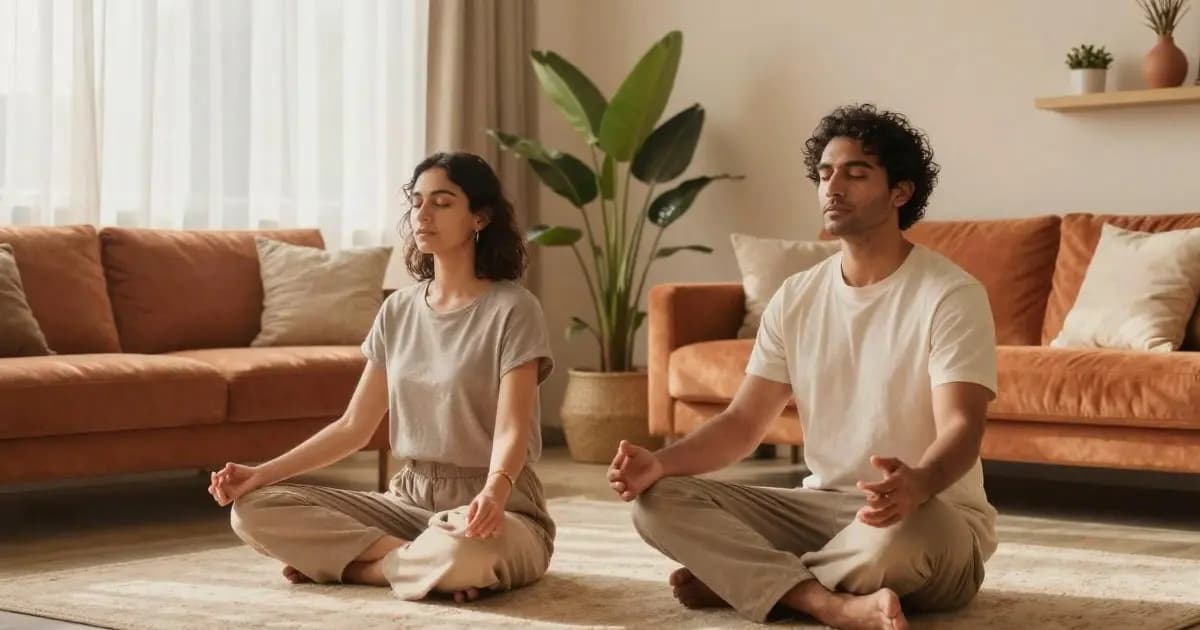
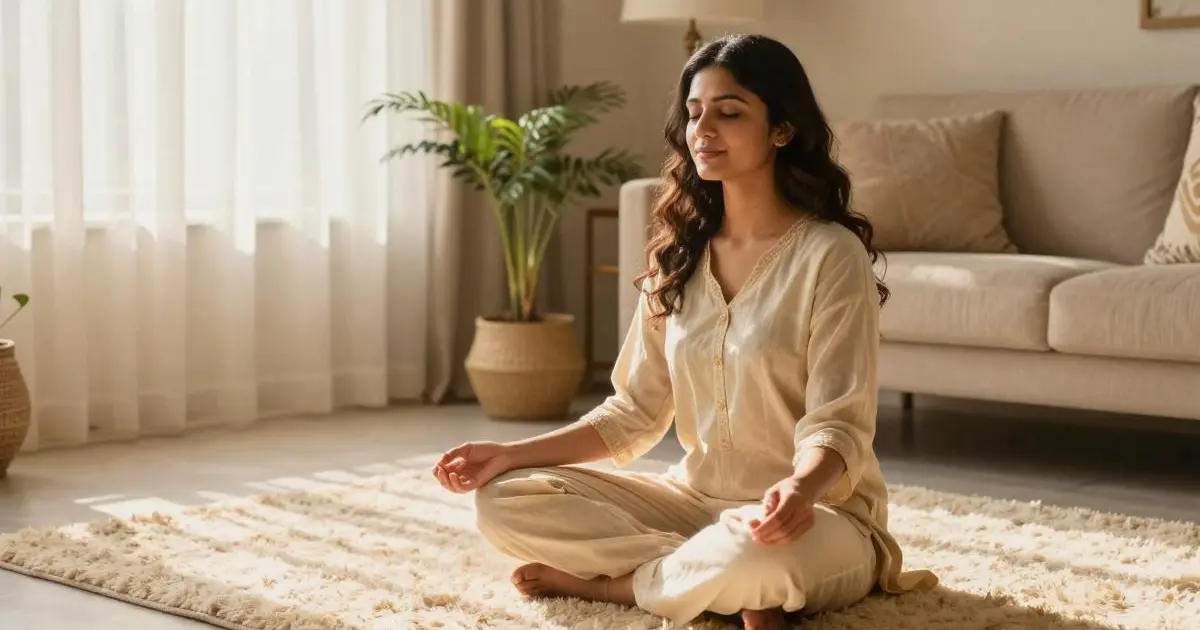
As we advance into 2026, the simplicity and efficacy of mindfulness meditation continue to gain traction, especially in the realm of anxiety relief. A growing body of research advocates for the practice of 10-minute mindfulness meditation as a potent tool for regulating the nervous system. Despite being just a fraction of our day, these moments can yield transformative effects on our mental well-being.
The practice of mindfulness, particularly in the form of meditation, facilitates the regulation of our bodies' intricate nervous systems. Amidst the pace of modern life, finding snippets of time dedicated to mindfulness has shown to profoundly impact stress and anxiety levels, paving the way for a calmer, more collected mind.
Understanding the Science: How Mindfulness Regulates the Nervous System
The 2024 randomized controlled trial evidenced that a brief, regular engagement with mindfulness meditation through an app dramatically reduced anxiety symptoms. Regular practice bolstered the participants' ability to navigate life's stressors with greater ease, a testimony to how mindfulness can recalibrate our neural pathways for the better.
Mindfulness is adept at enhancing present moment awareness, which enables individuals to tune into their body's responses. This tuning process mitigates stress responses by dampening the sympathetic nervous system, which is responsible for the 'fight or flight' reflex.
Studies have demonstrated that simple meditation techniques, such as the physiological sigh and body scans, are instrumental in promoting deep relaxation. These strategies actively invite the parasympathetic nervous system to step forward, facilitating recovery and promoting feelings of peace and safety.
Deep Dive
To dive deeper into this topic, read our comprehensive guide: The Complete Guide to Mental Health & Emotional Resilience
The Practical Impact: Real-World Benefits of a 10-Minute Practice
When individuals incorporate ten minutes of mindfulness into their daily lives, the tangible benefits extend far beyond mood regulation. Research published in 2024 also linked this practice to enhanced wellbeing, heightened awareness, and more effective behavioral choices.
For instance, participants in the major trial reported significant improvements in their sleep quality, highlighting one of the most sought-after benefits amidst the stresses of modern living. Improved sleep cumulatively aids in reducing anxiety symptoms and strengthens the body's resilience.
Moreover, mindfulness fosters inner peace, allowing practitioners to cultivate more constructive attitudes towards their health. This shift doesn't just occur in abstract thought; it translates into concrete actions such as increased physical activity and better nutrition choices, further offsetting anxiety and stress.
Practical Application: How to Start Your Mindfulness Journey
Embarking on a mindfulness journey is accessible to all, irrespective of past meditation experience. Here is a simple guide to initiate your 10-minute mindfulness meditation:
These steps, supported by the guidance from apps and online resources, can quickly become second nature. As you build your practice, the rewards of mindfulness become more evident, reaffirming its role in mental health maintenance through longevity rather than intensity.
Why 10-Minute Mindfulness Remains Relevant in 2026
While mindfulness meditation has ancient roots, its relevance is continuously renewed with scientific validation. As newer digital platforms facilitate more expansive global outreach, the practice matures into an approachable, effective self-care routine even in busiest of schedules.
The benefits observed in diverse global demographics highlight its universality. Its effectiveness in large cohorts who are mostly novices to mindfulness further underlines the practice's accessibility.
This approach is particularly suitable given today's complex mental health landscape. The ability to access structured, research-based guidance on mobile apps makes it possible for many more people to benefit from mindfulness's therapeutic effects.
FAQs
What are the benefits of a 10-minute mindfulness meditation? A succinct practice enhances mental clarity, reduces anxiety and stress, and improves overall wellbeing by fostering positive attitudinal shifts and healthier lifestyle choices.
How does mindfulness meditation help regulate the nervous system? By promoting parasympathetic nervous system activity, practices like breath awareness and body scanning lead to deeper relaxation and reduced stress hormone production.
What breathing techniques are used in short mindfulness meditations? Techniques such as mindful breathing and the physiological sigh emphasize deep, conscious breaths to calm the mind and body swiftly.
How do I start a 10-minute guided meditation session? Starting involves setting a timer, finding a distraction-free space, focusing on breath, and remaining non-judgmental of wandering thoughts.
Can 10 minutes of meditation reduce anxiety and stress? Yes, consistent short meditations can significantly lower anxiety and stress, as affirmed by numerous studies highlighting its benefits on mental health.