
In recent years, the interest in natural remedies to boost the immune system has surged, especially with the increasing awareness of the potential side effects of synthetic drugs. Among the powerful allies from nature, medicinal mushrooms and functional botanicals have created significant buzz in health communities. Their unique compounds have drawn attention for their remarkable ability to support and enhance immune function.
Medicinal mushrooms, such as reishi, maitake, and turkey tail, are revered in traditional medicine for their potential to modulate immunity. Similarly, certain botanicals like echinacea and elderberry are celebrated for their immune-enhancing properties. In this article, we delve into the science behind these natural powerhouses and explore practical ways you can incorporate them into your routine to build a resilient immune defense.
Understanding Medicinal Mushrooms and Their Benefits
Medicinal mushrooms have been used for centuries in Asian cultures as both food and medicine. Renowned for their diverse health benefits, they contain polysaccharides, terpenoids, and other bioactive compounds that are crucial for immune support. The research reveals that these compounds can significantly influence immune response by enhancing macrophage activity, increasing cytokine production, and boosting the proliferation of lymphocytes.
Reishi mushrooms, in particular, are prized for their adaptogenic properties, meaning they help the body cope with stress while supporting immune function. Studies have shown that reishi mushrooms increase IL-2 and IL-6 levels, which are immune-activating cytokines, thereby exerting an immunomodulatory effect. This enhancement of the immune response is essential for defending against infections and potentially reducing inflammation.
Turkey tail mushrooms are another superstar, primarily due to their high concentration of polysaccharide-K (PSK), a powerful compound known for boosting the immune system’s activity. Clinical trials have demonstrated that PSK can improve the survival rate in cancer patients by significantly enhancing natural killer cell activity and modulating the body’s immune responses to better fight off pathogens and cancer cells.
Functional Botanicals: Nature’s Immune Enhancers
Functional botanicals, which include herbs and plant extracts, have long been credited for their ability to enhance the immune system. Among them, echinacea and elderberry stand out. Echinacea is commonly used to combat colds and infections due to its ability to increase white blood cell production and cytokine activity, thus boosting the body's natural disease-fighting capacity.
Elderberry is rich in antioxidants and vitamins, especially Vitamin C, which is crucial for a robust immune system. Its anti-inflammatory properties help reduce the severity of cold symptoms while its antiviral properties prevent further infections. Consuming elderberry syrup during the cold season is a popular practice to ward off respiratory illnesses.
Another noteworthy botanical is ashwagandha, an adaptogen that not only supports immune health but also helps manage stress. Reducing stress is vital since chronic stress can weaken the immune system, making the body more susceptible to infections.
How Mushrooms and Botanicals Affect Immunity
The immune-modulatory effects of mushrooms and botanicals are linked to their active compounds' ability to interact with the immune system's cells and signaling pathways. For example, compounds in maitake mushrooms have been shown to stimulate the production of cytokines and enhance the activity of natural killer cells, which are vital for identifying and destroying infected cells.
Furthermore, cordyceps mushrooms have been evidenced to enhance the production of IL-1 and IL-2, crucial for an effective immune response. The antioxidants in chaga mushrooms, such as ergothioneine and selenium, help reduce oxidative stress, which, in turn, decreases inflammation and supports overall immune health.
The compounds found in these natural allies are also known to modulate the activation of nuclear factor kappa-light-chain-enhancer of activated B cells (NF-κB), a protein complex that controls DNA transcription and cytokine production, thus playing a critical role in the inflammatory response and immune regulation.
Practical Application: Incorporating Mushrooms and Botanicals Into Your Diet
Adding medicinal mushrooms and functional botanicals to your diet doesn't have to be complicated. Here’s how you can start:
- Supplements: Many medicinal mushrooms are available in supplement form, including capsules and powders. You can take them as directed by the label or consult with a healthcare professional, especially if you are managing a health condition.
- Culinary Use: Integrate mushrooms like shiitake, maitake, and reishi into your daily meals. They can be used fresh in stir-fries, soups, or as flavor-enhancing stocks.
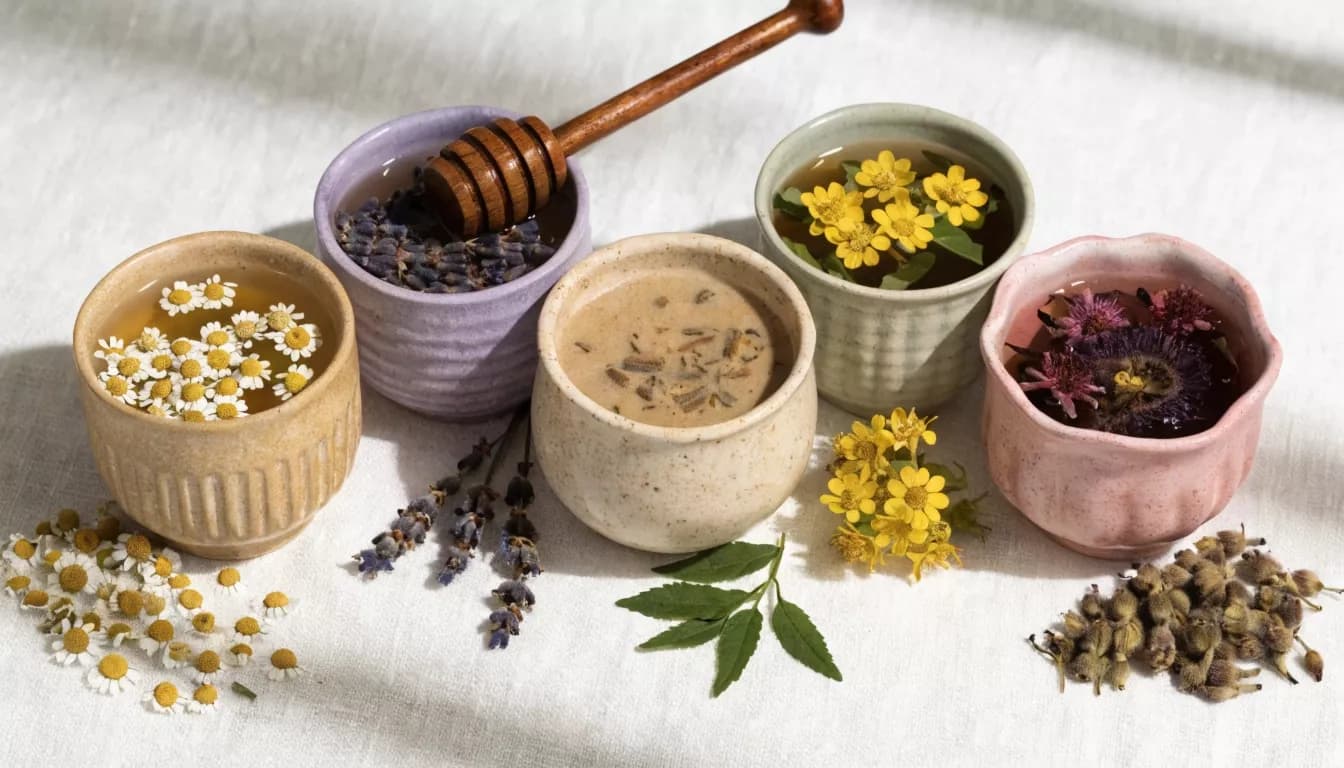
- Herbal Teas: Create immune-boosting teas or tinctures using dried botanicals like echinacea, elderberry, and ashwagandha. These can be sipped throughout the day for consistent immune support.
- Functional Foods: Look for fortified products or health beverages that contain extracts of these powerful ingredients as part of your daily nutrition.
FAQs
What are the best medicinal mushrooms for immune support? Reishi, maitake, and turkey tail are some of the top medicinal mushrooms recognized for their immune-boosting properties. They contain active compounds that enhance the body's defense mechanisms against pathogens.
How do reishi mushrooms boost the immune system? Reishi mushrooms are rich in polysaccharides and triterpenoids, which stimulate the production of immune cells and cytokines. This aids in enhancing the immune response and reducing inflammation within the body.
What is PSK in turkey tail mushrooms? PSK or polysaccharide-K is a bioactive compound found in turkey tail mushrooms. It is known for its ability to enhance immune functions by activating various immune cells and is used as a complementary therapy in cancer treatments.
How to incorporate functional mushrooms into diet? There are multiple ways to add these mushrooms to your diet, such as consuming them in supplement form, cooking them into meals, or including them in smoothies and teas.
Do mushrooms like chaga reduce inflammation? Yes, chaga mushrooms are rich in antioxidants that reduce oxidative stress and inflammation, supporting overall immune health and potentially decreasing the risk of chronic diseases.